Tea Time with Hojicha Shortbread
Move over, matcha.
The new “It” Japanese tea in town is hojicha.
With its rather homely, dirt color, it may lack the splashy, attention-grabbing vivid green hue of matcha. But like a brooding, slightly mysterious friend, it can take a little time to reveal just how appealing and intriguing it can be.
This low caffeine, Japanese green tea is pan-roasted over charcoal to create its characteristic smoky, toasty and nutty quality that has hints of coffee and caramel.
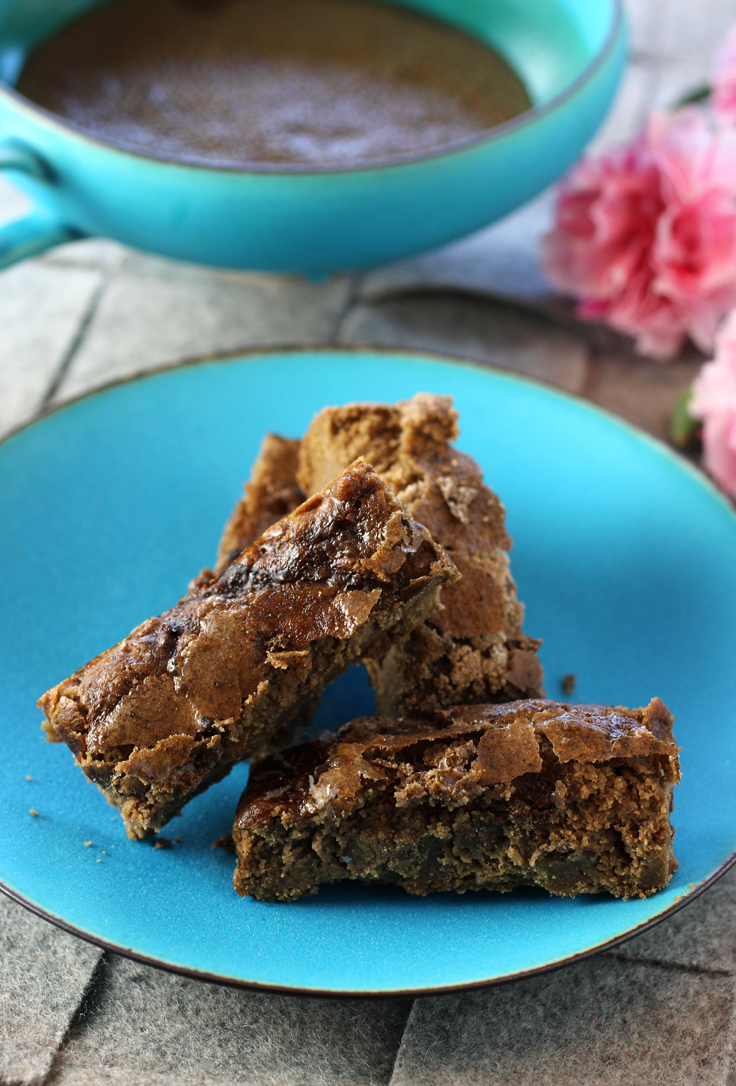
It stars magnificently in “Hojicha Shortbread,” which bakes up with an unusual top.
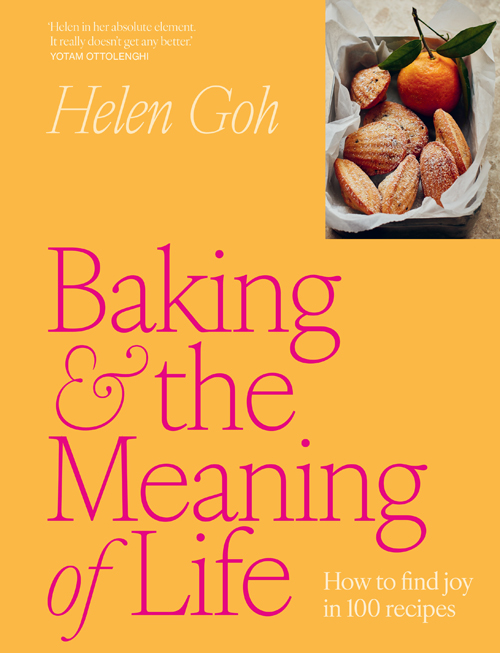
The recipes is from the new cookbook, “Baking & the Meaning of Life” (Abrams), of which I received a review copy.
It was written by Helen Goh, a London-based pastry chef and food writer who has developed recipes and co-authored cookbooks with celebrated United Kingdom chef and restaurateur, Yotam Ottolenghi.
A trained psychologist, Goh rightly points out that baking — the act of it and the gift of its endeavors — bestow warmth and meaning in our lives. We bake for special events. Or just make ourselves feel better when we’re a little down. We bake to show love to friends and families. Or to just plain spoil ourselves.
No doubt, you’ll find plenty of reward in these sweet and savory recipes such as “Puttanesca Galette with Lemon Ricotta,” “Banana, Pecan & Chia Bread,” “Caramelized Cinnamon Doughnut Cake,” “Crepes with Red Bean Paste & Walnut Praline,” and “Pistachio and Kumquat Amaretti.”
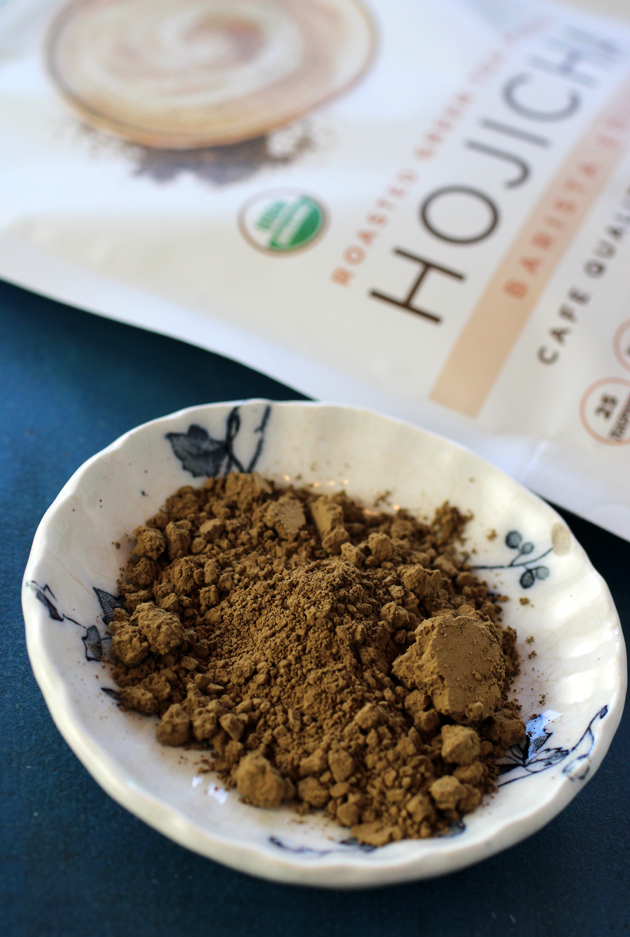
For this shortbread, you’ll need to buy hojicha powder or grind hojicha tea leaves with a spice grinder until it’s a fine powder.
The hojicha flavors the shortbread dough, as well as tints it an almost coffee-candy color. It gets incorporated in a mixer along with all-purpose flour, cornstarch to add tenderness, plenty of butter, powdered sugar, vanilla extract, and a pinch of salt.
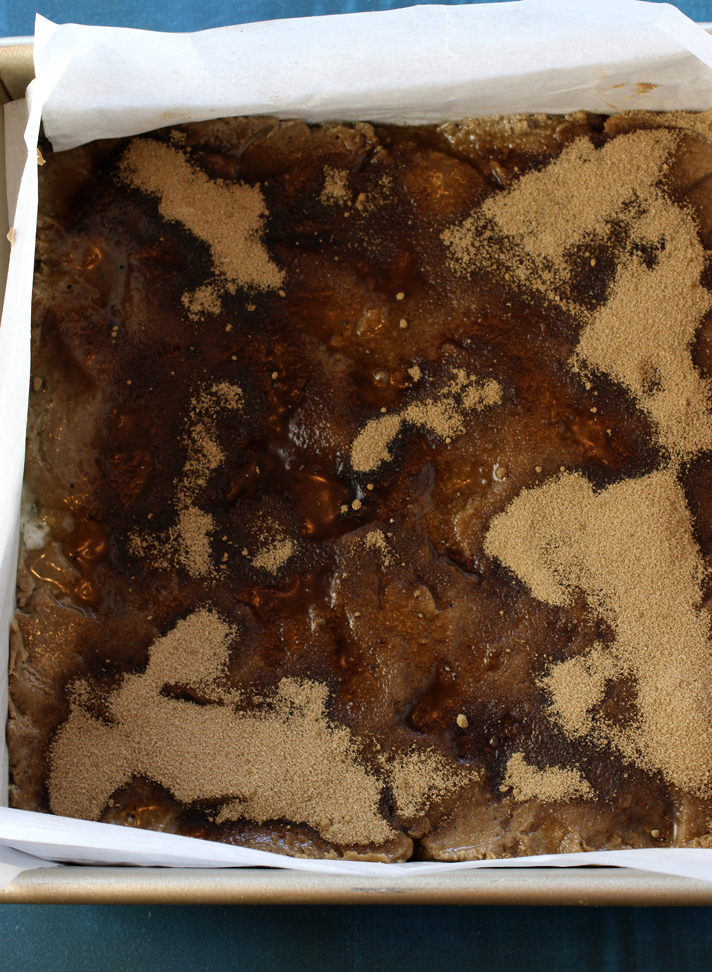
Pat the dough into a parchment paper-lined baking pan. Then, here’s where it gets interesting: Place an unbeaten egg white on top of the dough in the pan, tilting it so it covers every inch. Then, tip out any extra egg white and discard. Finally, sprinkle over a mixture of granulated sugar and hojicha powder, then bake.
The sugary top will turn flaky and crackly, almost like that of a great brownie, while the rest of the shortbread will be crisp, crumbly and have that melt-in-your-mouth finish.
The shortbread is very buttery with a subtle toasted caramel taste that has the merest tannic note to it. Not overly sweet, it would go perfectly with your favorite cup of tea.
Yes, the topping will crack and fall off the shortbread, making these not the neatest looking of cookies. Indeed, on a holiday cookie plate, they might get passed over by those not in the know. I wouldn’t call these ugly-delicious by any means, but rather uncommon-delicious.
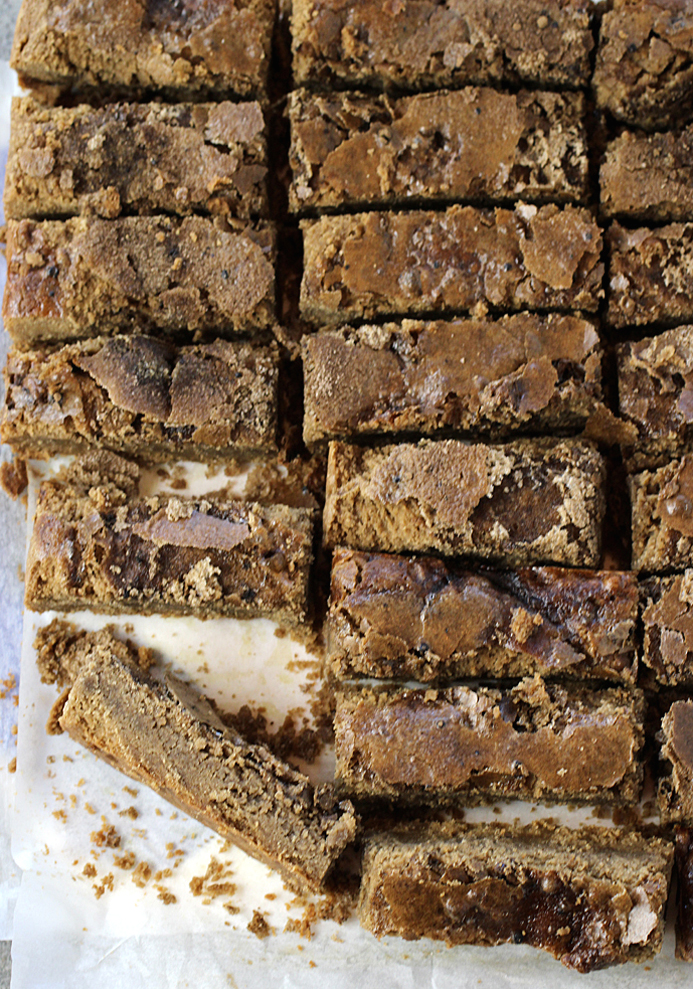
Hojicha Shortbread
(Makes 24 fingers)
For hojicha sugar:
2 tablespoons granulated sugar
1/2 teaspoon hojicha powder
For shortbread:
1 cup (226 grams) unsalted butter, cut into about 6 pieces, at room temperature
1 cup (130 grams) powdered sugar
1/2 teaspoon fine sea salt
1 tablespoon hojicha powder
1 1/2 teaspoons vanilla extract
1 1/2 cups (200 grams) all-purpose flour
2/3 cup (75 grams) cornstarch
1 egg white
Line the bottom and sides of an 8-inch square baking pan with parchment paper. If the pan does not have a removable bottom, make sure the paper extends over the edge of the pan to serve as a handle for lifting out the baked shortbread.
For the hojicha sugar, combine the sugar and hojicha powder in a small bowl, then set aside.
Preheat the oven to 325°F (165°C).
Place the butter, powdered sugar, and salt in the bowl of a stand mixer fitted with the paddle attachment and beat on low speed for about 1 minute, then increase the speed to medium-high and beat for 2 minutes, until light and creamy. Scrape down the bowl, then add the hojicha powder and vanilla and mix on low speed to incorporate, about 30 seconds. Remove the bowl from the mixer and sift in the flour and cornstarch. Use a spatula to stir in the flour mixture — it will be quite stiff, and will not incorporate very well at this stage, but this small step will prevent the flour from spilling out of the bowl when it goes back on the mixer.
Place the bowl back onto the mixer and, again, using the paddle attachment, mix on low speed until the dough just comes together but still looks craggy, about 30 seconds. Using a flexible spatula, scrape the crumbs from the bottom and sides of the bowl and press them onto the lumpy dough to gently bring it together.
Break the dough into 4 or 5 pieces and place them into the lined baking pan, then gently pat the pieces into as even a layer as possible. If the dough is sticking to your fingers, run your hands briefly under cold tap water and shake off the excess water before patting the dough into the pan. Try not to compact the dough too much; use the back of a spoon to smooth any bumps rather than pressing too firmly down, as this will result in a very dense, rather than slightly crumbly shortbread.
Now, tip the (unbeaten) egg white on top of the dough and tilt the pan from side to side until the surface of the dough is entirely coated, then tip the excess egg white out (discard or save for another use). Sprinkle the hojicha sugar over the top for form a thin layer.
Bake for 40 minutes, then remove from the oven (keep the oven on) and, while still in the pan, carefully cut the shortbread into 24 fingers, each 2 1/2-by-1-inches. The easiest way to do this is to cut the shortbread into thirds, then rotate the pan and cut into 8 even bars to make 24 fingers.
Return the pan to the oven and bake for 20 minutes. Allow the shortbreads to cool in the pan for 30 minutes more before lifting them out onto a wire rack to cool completely.
Serving Tip: If gifting, once the shortbread fingers are cool, place them in gift boxes. The cookies will keep well for about 1 week if airtight. They will soften with humidity, so store in the freezer if the weather is warm.
From “Baking & the Meaning of Life” by Helen Goh
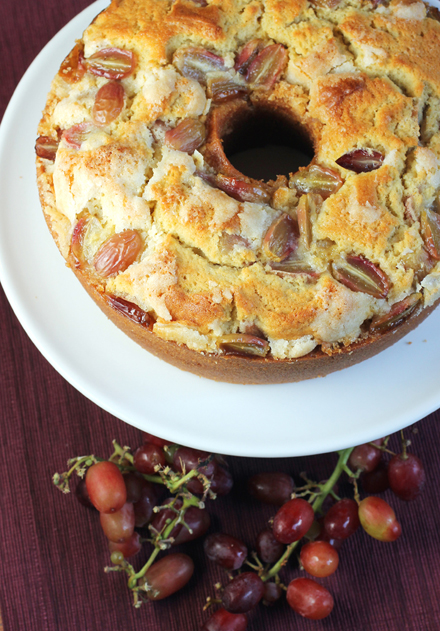
More Recipes by Helen Goh and Yottam Ottolenghi: Vineyard Cake