Category Archives: Asian Recipes

Spicy Lamb Dumplings
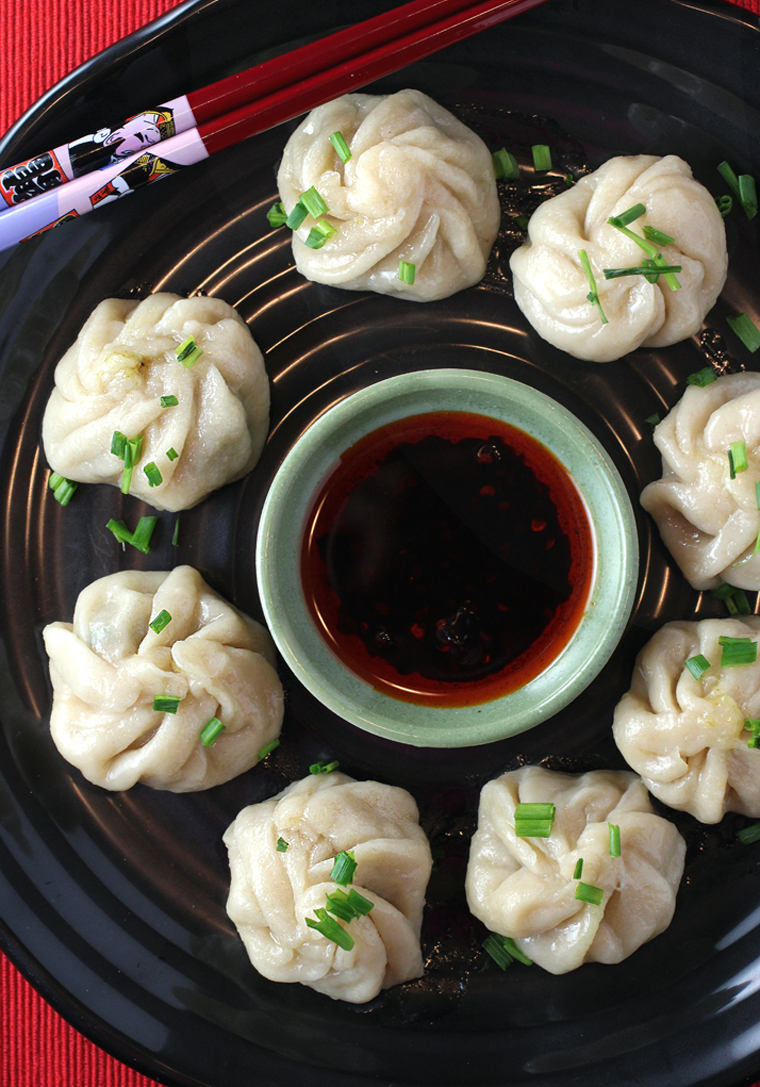
Home-made wrappers envelope a filling of cumin-scented lamb.

I’ve always had utmost respect for the cooks at Chinese restaurants, who huddle over a counter, rolling out perfectly thin circles of dough, one right after another, before crimping them with mind-blogging precision to turn out handmade dumplings quicker than I can take a breath.

But I have even more appreciation for their mad skills now, having tried my hand at making my own dumpling wrappers for the very first time.

Ever since I was a kid making wonton, gyoza and potstickers alongside my mom, we’d always make the filling from scratch, but buy the pre-made wrappers from an Asian market.

With the start of the Lunar New Year this week in yet another pandemic month, I figured now would be as good a time as any to finally check off that box in the annals of dumpling-making.
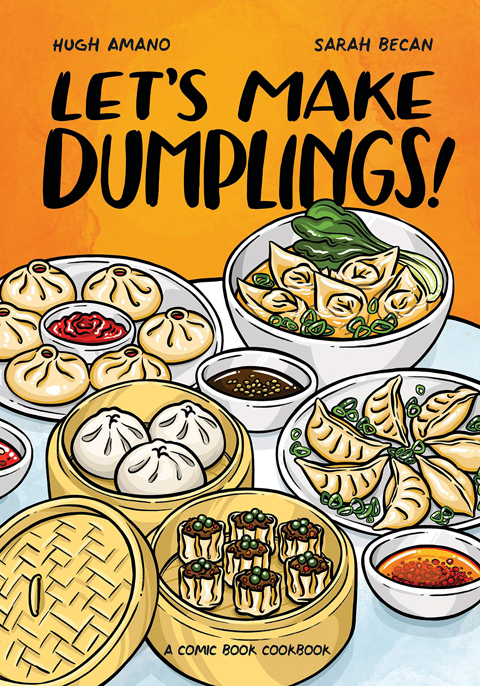
“Let’s Make Dumplings!” (Ten Speed Press, 2021), of which I received a review copy, proved a perfect resource for that undertaking.

It’s a comic book cookbook — yes, really — by cookbook writer Hugh Amano and illustrator Sarah Becan.

Read more

The Cutest Ever Hot Dog Flower Buns

A genius Asian take on pigs in a blanket.

Before my love for B. Patisserie, Arsicault, and other modern-day baking meccas took hold, there was my childhood infatuation with Chinatown bakeries.

I remember the stacks of pink boxes on their counters, and the mesmerizing machine that would automatically wrap candy-cane colored twine around them in a blink of an eye.

I remember the bustle of customers queuing to place orders, as I scurried underfoot to get a closer look at the glass cases of golden custard tarts; glossy double-crust apple pies; squishy steamed sponge cakes; and airy layer cakes covered in ethereal whipped cream, strawberries and mandarin orange segments.

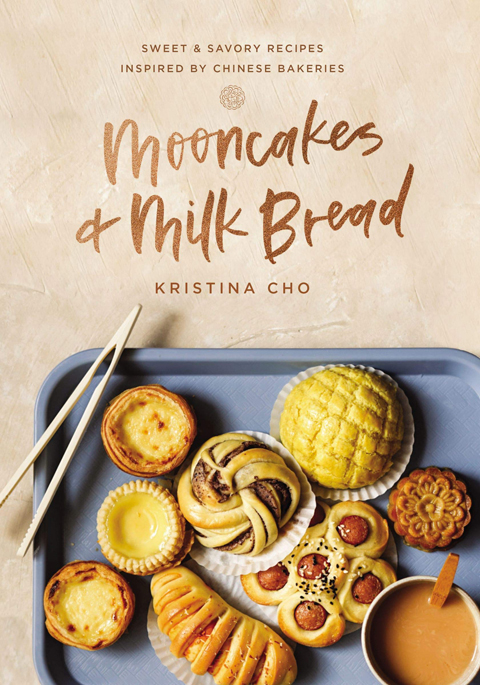
So, when I heard that the Bay Area’s Kristina Cho was writing a cookbook inspired by the sweet and savory creations of Chinese bakeries, I couldn’t have been more excited to see get these wonderful and nostalgic treats finally get their due.

“Mooncakes & Milk Bread” (Harper Horizon), of which I received a review copy, did not disappoint.

Cho, a former architectural designer turned food blogger of Eat Cho Food, recipe developer, and cooking instructor has created a true love letter to these Chinatown bakeries.

Read more

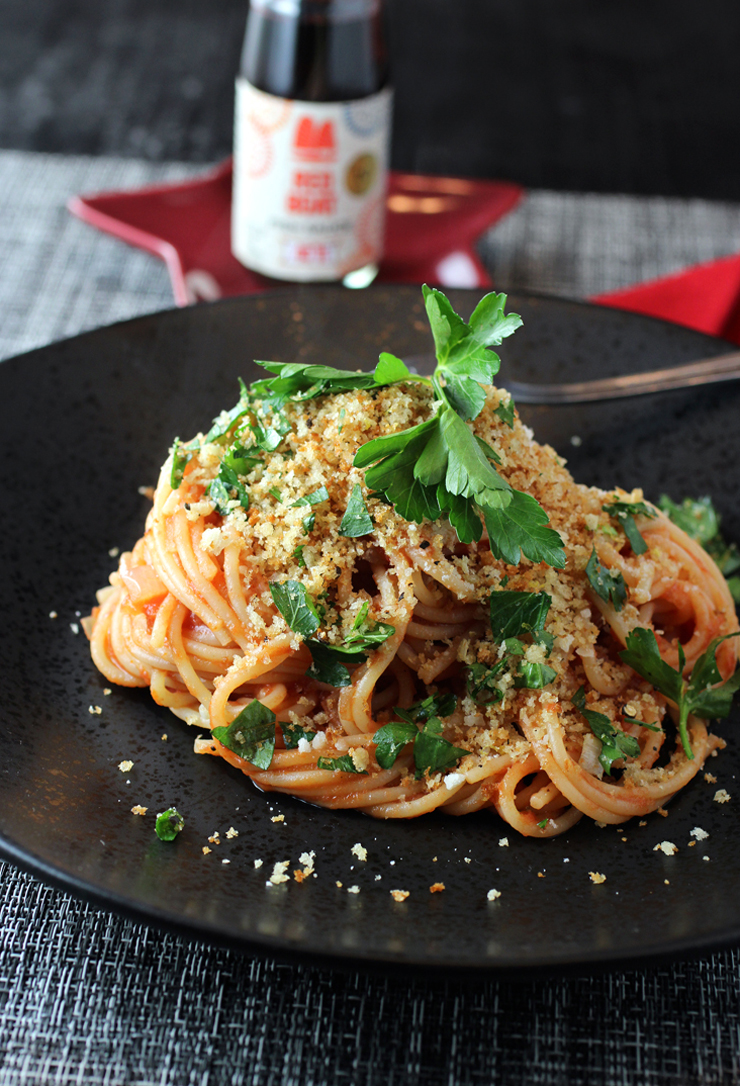
Marinara Pasta with Secret Sauce

Italian marinara pasta with bread crumbs gets a splash of Vietnamese fish sauce for the win.

My dad probably was never aware of the concept of umami.

All he knew was that a splash of soy sauce imparted a magical touch to so many dishes — from homemade steak sauce to a marinade for prime rib to Thanksgiving gravy.

He’d reach for that bottle of soy sauce instinctively, knowing it would add depth of flavor and a boost of savoriness to most anything it touched.

In much the same way, Vietnamese fish sauce is as indispensable in the kitchen.

If you know the fermented condiment made from black anchovies and salt only from its use in the ubiquitous nuoc cham dipping sauce served alongside so many dishes at Vietnamese restaurants, you know merely a fraction of its uses.

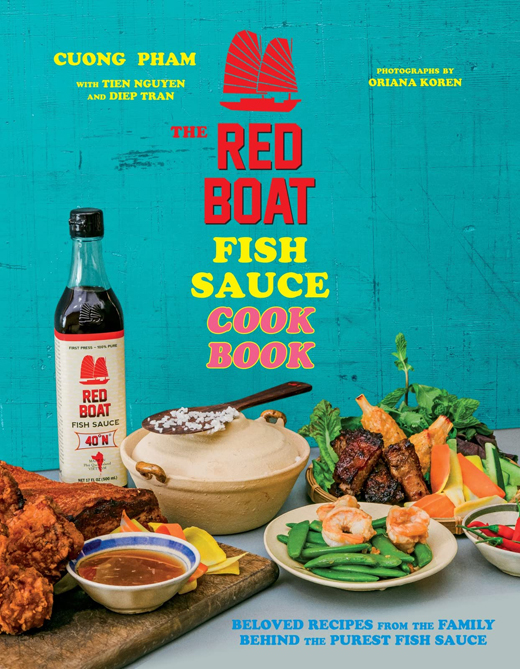
Explore just how versatile fish sauce can be in the new cookbook, “The Red Boat Fish Sauce Cookbook: Beloved Recipes from the Family Behind the Purest Fish Sauce” (Houghton Mifflin Harcourt), of which I received a review copy.

It was written by the East Bay’s Cuong Pham, the former Apple engineer who founded Red Boat Fish Sauce, the game-changing brand that’s beloved by legions of top chefs and home-cooks.

After immigrating to the United States, he hunted high and low for the ultra fragrant, deeply amber fish sauce of his youth. When he couldn’t find any brands here that met his standards, he created his own in 2011, sourcing wild black anchovies off the coast of Vietnam and combining them with nothing but salt in wooden barrels to ferment the age-old way. In doing so, he created a fish sauce celebrated for its purity of flavor with no additives, enhancers, or preservatives.

Read more

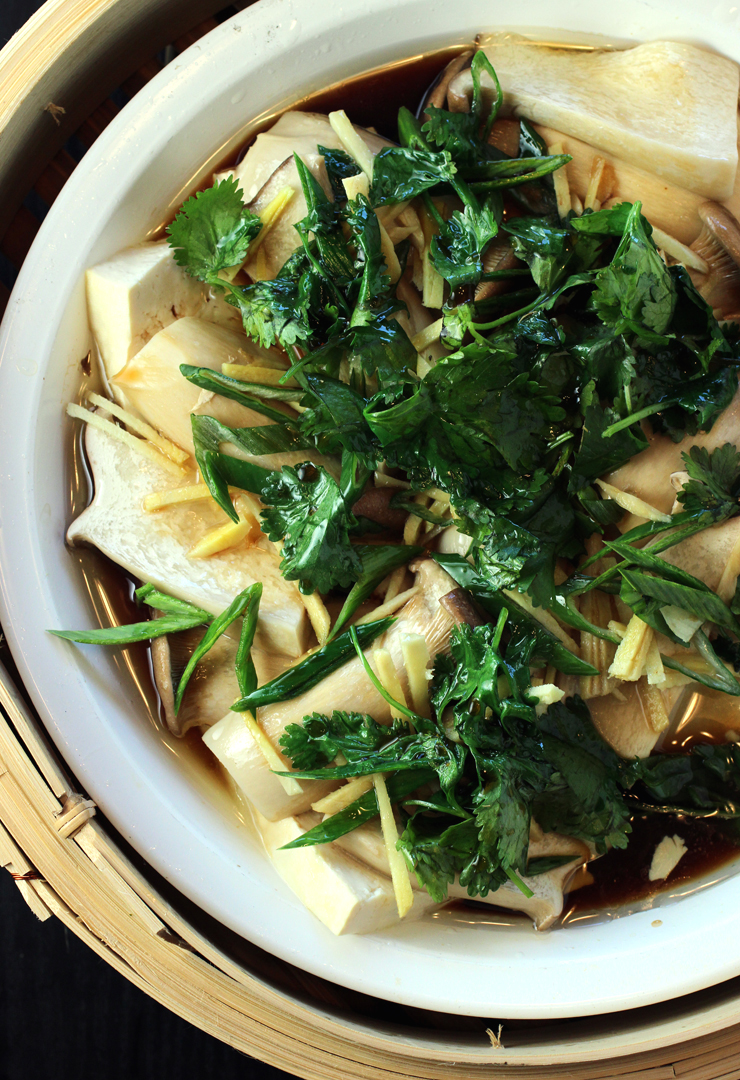
Steamed Tofu and Trumpet Mushrooms with Ginger, Scallion and Soy For A Virtuous New Year

Like the classic dish of Chinese steamed whole fish -- but without the fish.
Like the classic dish of Chinese steamed whole fish — but without the fish.

Heaven knows that after the hardships of the past two years, we deserved to indulge heartily during the holidays.

But after one too many cookies, seconds of pie, and slabs of meat that made plates buckle, we’re feeling it.

Is it any wonder that we now crave something lighter and cleaner tasting?

“Steamed Tofu with Trumpet Mushrooms with Ginger, Scallion and Soy” fills the bill — and appetite — beautifully.

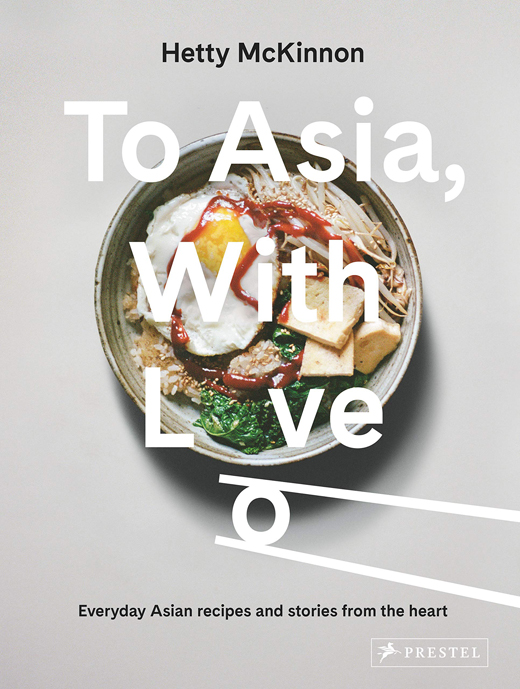
The recipe is from “To Asia, With Love: Everyday Asian Recipes and Stories From the Heart” (Prestel), one of my favorite cookbooks of 2021. It’s by Hetty McKinnon, the gifted food writer and Aussie transplant who now makes her home in Brooklyn.

I may be an omnivore and my husband, aka Meat Boy, an avowed carnivore, but the recipes in this vegetarian cookbook never cease to satisfy. Indeed, neither of us ever feels wanting, despite the meat-free dishes.

“Steamed Tofu with Trumpet Mushrooms with Ginger, Scallion and Soy” is ready in a blink of an eye. In fact, it’s so easy that you’ll practically be able to make it from memory again the next time.

Read more

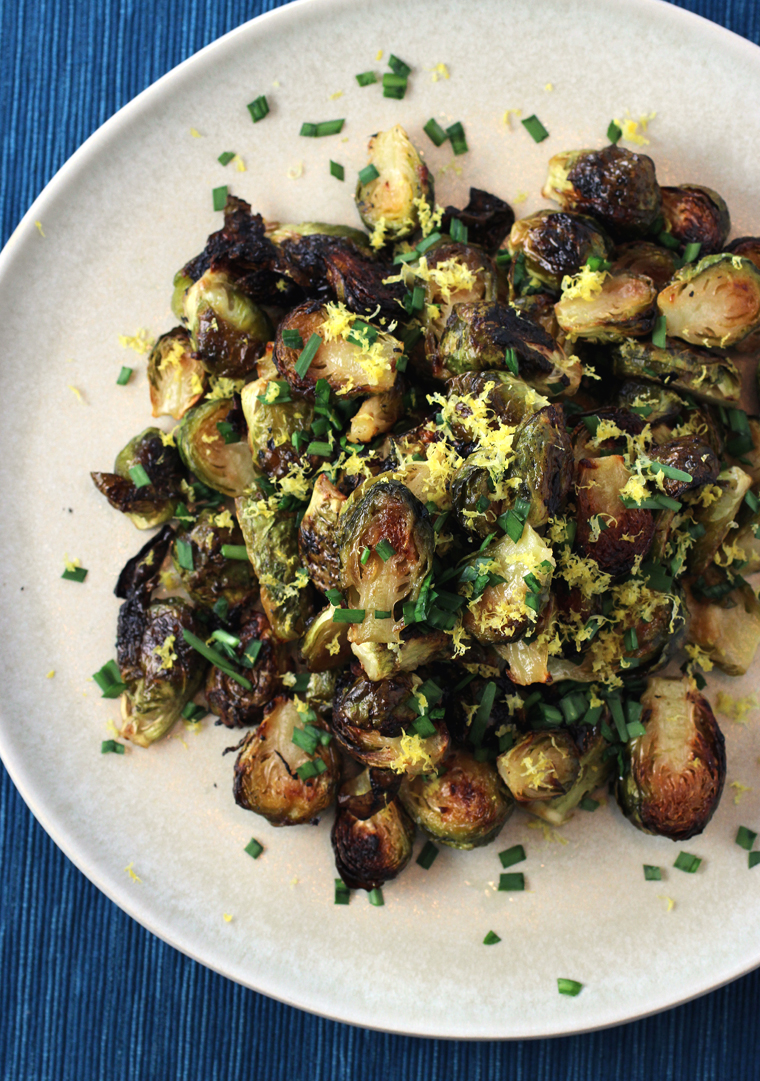
Shio Koji-Roasted Brussels Sprouts

A hot oven and a rub of shio koji all over the leaves gives these Brussels sprouts extra flavor and crispiness.

Have you discovered shio koji, the darling ingredient of so many chefs?

Maybe you’ve spotted it at a Japanese store, given it a quizzical look, then moved on.

Next time, pick some up and get cooking.

Shio Koji is rice inoculated with a specific mold commonly used to make soy sauce and miso, then mixed with water and salt, and left to ferment.

Available in the refrigerator section of Asian markets, it comes in whole rice grains, pureed or liquid.

It tastes salty, though less so than miso, with a light sweetness and a moderate pickled sharpness, as well as a slight funkiness.

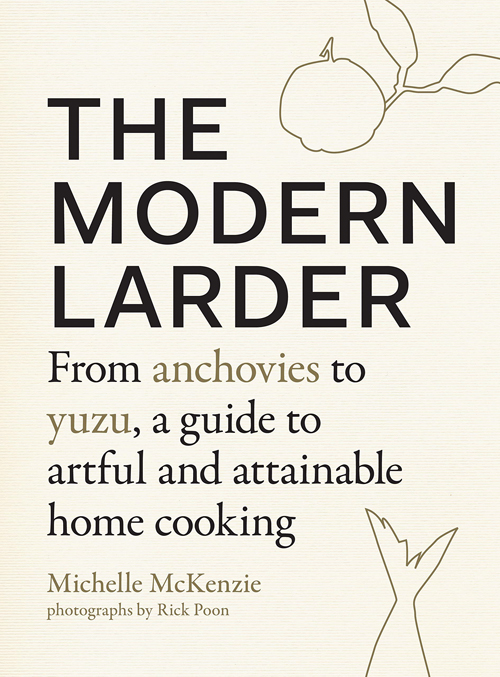
If you’re wondering what to do with it, pick up a copy of the new “The Modern Larder: From Anchovies to Yuzu, a Guide to Artful and Attainable Home Cooking” (Roost Books), of which I received a review copy.

It’s by Michelle McKenzie, a food writer and professional cook who was formerly the program director and chef at 18 Reasons, a non-profit community cooking school in San Francisco founded by Bi-Rite Market.

This marvelous book will introduce you to 58 ingredients, some familiar and some less so, and show you ingenious ways to use them through more than 260 recipes.

Read more
« Older Entries Recent Entries »