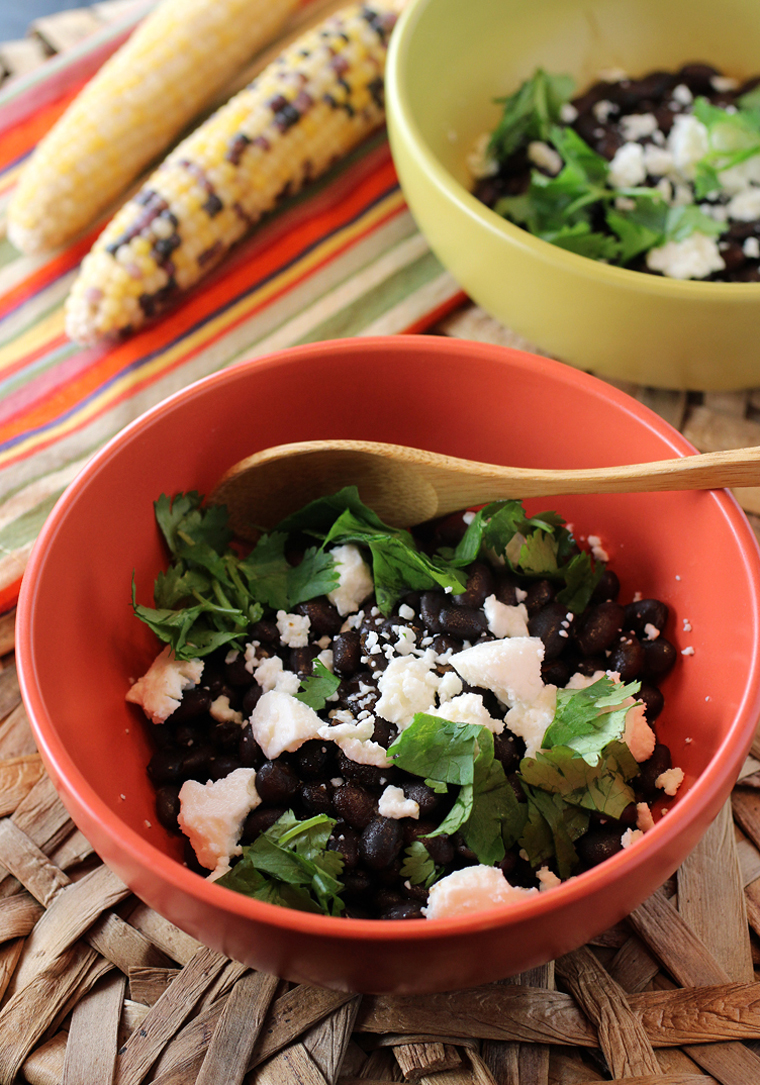
Garnished with creamy, crumbly queso fresco and cilantro, these hearty Mexican black beans can be a meal on their own with rice.
No Cinco de Mayo celebration would be complete without a soul-satisfying pot of hearty and tender beans.
“Frijoles Rojos” is all that — plus vegan.
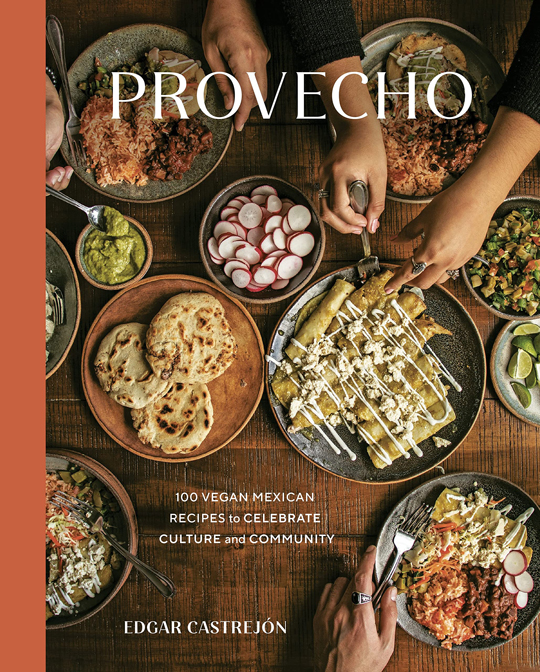
This classic bean dish is from “Provecho” (Ten Speed Press, 2021), of which I received a review copy. The cookbook is by Edgar Castrejon, a Bay Area chef, recipe developer and photographer, who grew up in Oakland to parents who emigrated from Mexico.
The title of the book comes from the Spanish expression to “wish someone a good meal.” The 100 vegan recipes embody that sentiment in rustic, homey dishes such as “Columbian Empanadas,” “Adobo Mushroom Tacos,” “Tortas de Tofu,” and a clever “Coconut Aquachile” in which the flesh of young coconut stands in for the usual fish.
“Frijoles Rojos” can be made with canned beans or dried. I used Rancho Gordo Midnight Black Beans, soaking them overnight, before cooking them the next day.
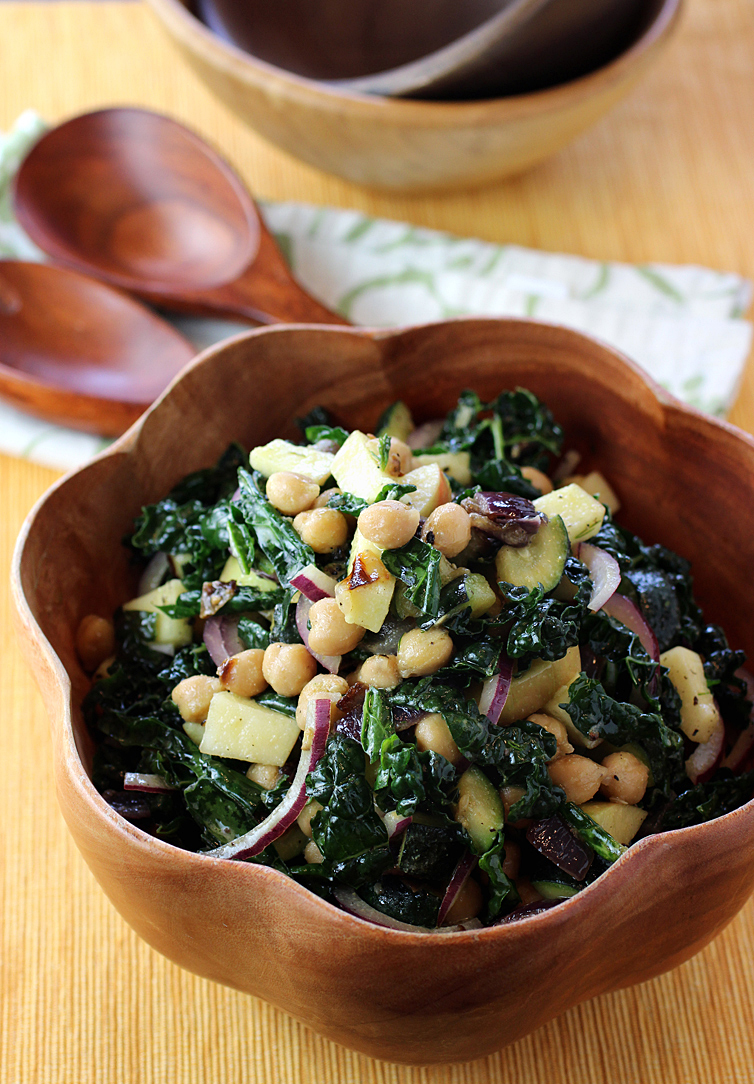
A kale salad with a range of tastes, textures, and temperatures.
This salad is sure to bowl you over.
Not only does it give you another way to enjoy kale, but it’s loaded with varied textures and even temperatures. And, yes, it’s served in a bowl.
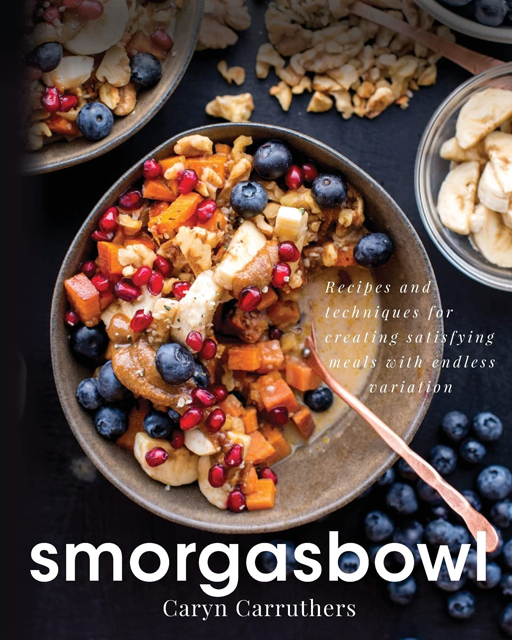
This versatile recipe comes from the clever cookbook, “Smorgasbowl” (Radicle Publishing), of which I received a review copy, that celebrates healthful recipes that can be served in bowls.
It’s by Austin-based Caryn Carruthers, the founder of the blog, Tastynfree.com, who not only created all the recipes in this book, but also the photos and design.
A few years ago, she went grain-free. As such, the recipes in this book contain little grain, dairy or sugar. But as she notes, those who don’t have to adhere to such restrictions, can easily add some yogurt, rice, pita or other bread to round out the dishes. Moreover, because these are bowl meals, they can easily be individualized to suit every person at the table.
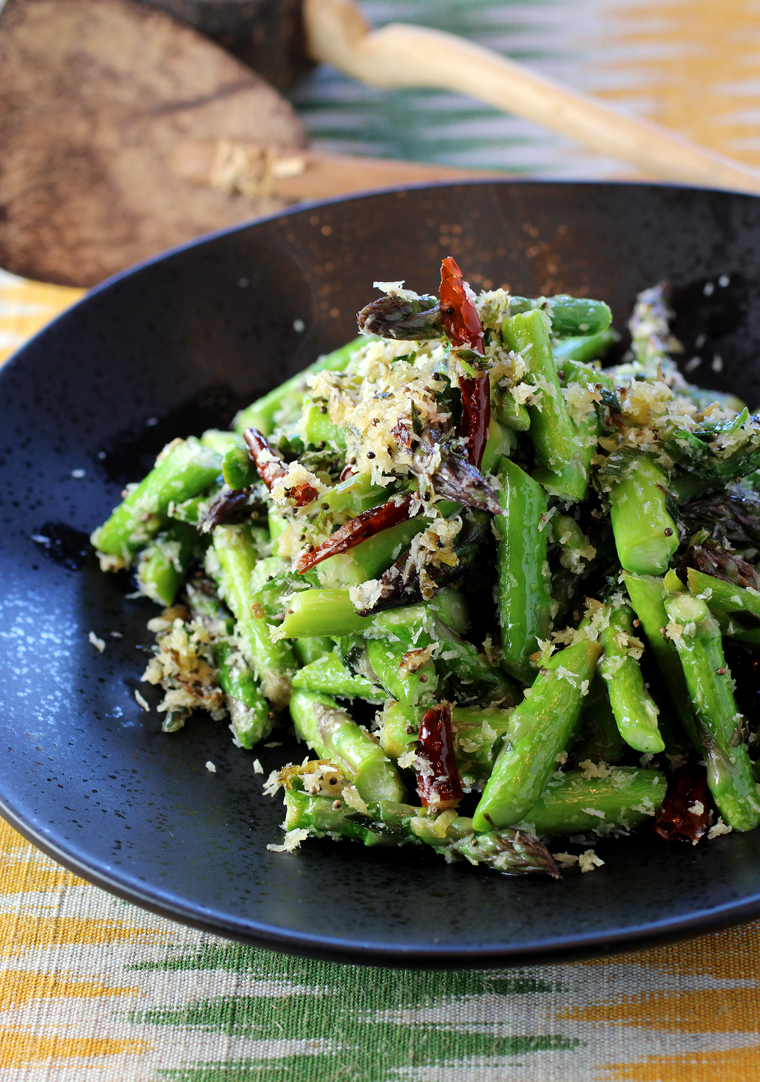
A simple saute of asparagus that gets dressed up with Indian flavors.
Spring may signal bountiful flowers. But for me, first and foremost, it brings asparagus.
I can barely contain myself when the first spears start showing up at the farmers markets. Because from then on out, I eat my fill of those sweet, thick spears every week until they disappear all too rapidly at the end of their short season.
Asparagus aren’t often highlighted in Indian cooking. So, when I spied a recipe for “Asparagus Fry” flavored with chilies, mustard seeds, and shredded coconut, I was all in.
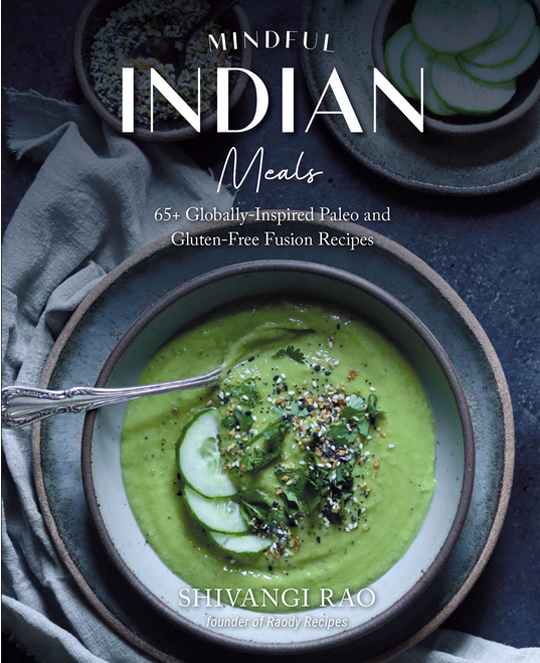
This quick and easy recipe is from the new “Mindful Indian Meals,” of which I received a review copy.
It’s by San Franciscan Shivangi Rao, a designer and product manager in the healthcare industry, who founded the blog, Raody Recipes.
Growing up, Rao was plagued by digestive and cognitive autoimmune illnesses, which even impacted her ability to walk at one point. She eventually learned that certain foods triggered her symptoms, which led her to eliminate them. The only problem was many of them were the beloved foods she had grown up with: Indian sweets made with refined sugar; lentils high in starch; and rice and roti, both high in simple carbohydrates.
So, she set out on a path to reclaim those flavors that are so integral to her family and culture.
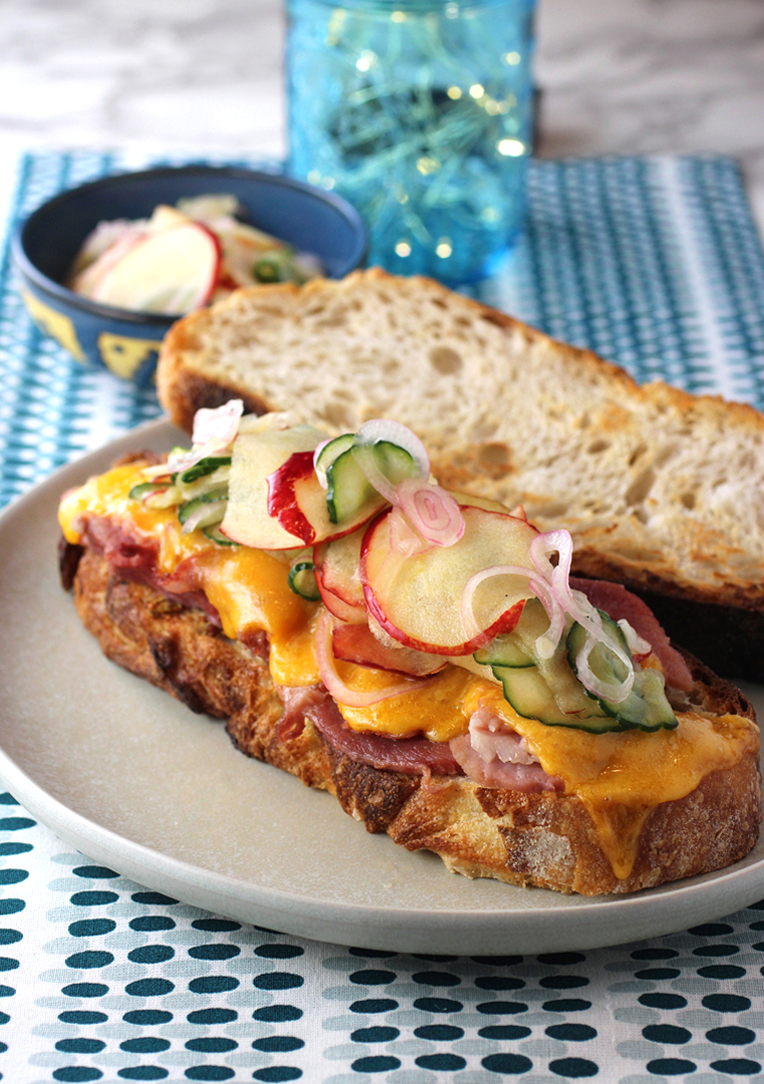
You’ll wonder how you ever lived without these pickled apples topping a sandwich.
Sure, back in the day, Peter Piper picked a peck of pickled peppers.
But today’s more learned Peter Piper would surely pick a peck of pickled apples instead.
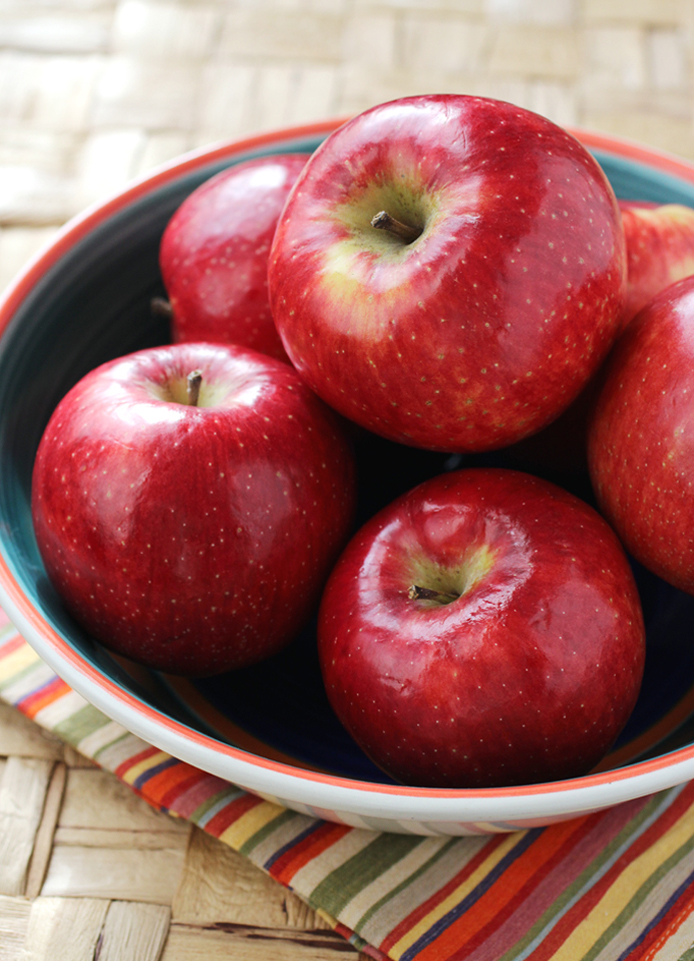
Especially in the form of these additive “Quick Bread-And-Butter Apple Pickles” that are made with Pazazz apples, that brilliantly ruby red variety with flashes of yellow-green, an arresting crunch, and a burst of sweet, tangy juiciness.
This snappy, late-season apple that’s descended from the popular Honeycrisp, is at its flavor peak now through June. Lucky for you, Pazazz apples are easy to find at Albertsons, Safeway, and Vons.
February is an especially appropriate time to indulge in them, too, because it’s National Cancer Prevention Month. Pazazz has partnered with the American Institute of Cancer Research to promote the benefits of a diet rich in foods high in fiber and antioxidants such as fresh apples that are thought to reduce the risk of certain cancers.
When enjoying apples, don’t toss the peel, a valuable prebiotic that induces the growth of good-for-you microorganisms to ensure a healthy gut.
Late-season Pazazz apples to enjoy now.
Indeed, the flesh and peel star in this easy-as-it-gets pickled apple recipe. When I received a sample of Pazazz, I wouldn’t wait to highlight them in this genius recipe by Amy Traverso, food editor of Yankee Magazine.
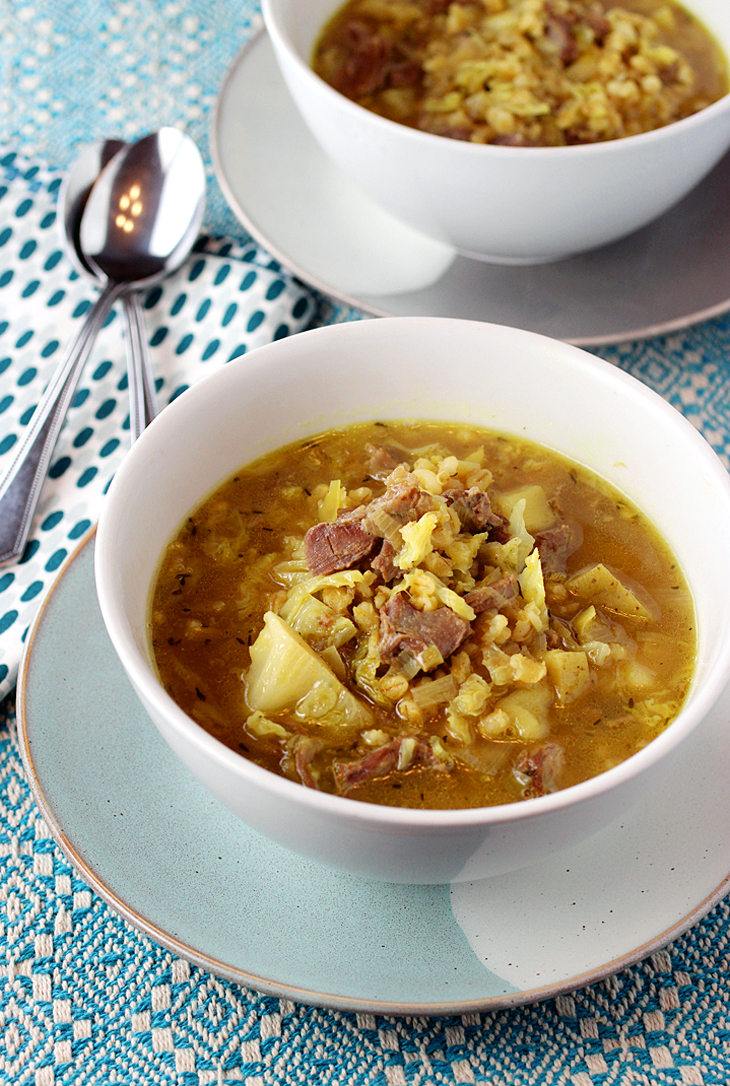
A hearty, soul-soothing lamb and barley soup that’s just what you want at this time of year.
I joke that my husband likes to put together elaborate charts. Of his weekly workouts. Of his grilling exploits. Of, well, you name it.
Of course, he’ll then promptly misplace them, making them an exercise in futility in the end.
So, it comes as no surprise that in the early days of shelter-in-place, when everyone was growing green onions in a glass of water and attempting their first misshapen sourdough loaves, all panicked that it might very well be the only food they could lay their hands on, my husband suggested making an elaborate chart listing everything in our pantry in case we had to start rationing.
I just rolled my eyes.
Because I knew that with just the bags of dried beans and grains on our shelves alone, we had ample food — and good food — for months on end.
After all, that’s one of the greatest things about grains such as barley, farro, corn, quinoa, and oats. They are high in fiber, making them very satiating even in modest servings. Plus, they are loaded with vitamins, minerals, and antioxidants.
On top of that, they’re a breeze to cook, and can fit into any meal or snack, no matter what time of day or year.
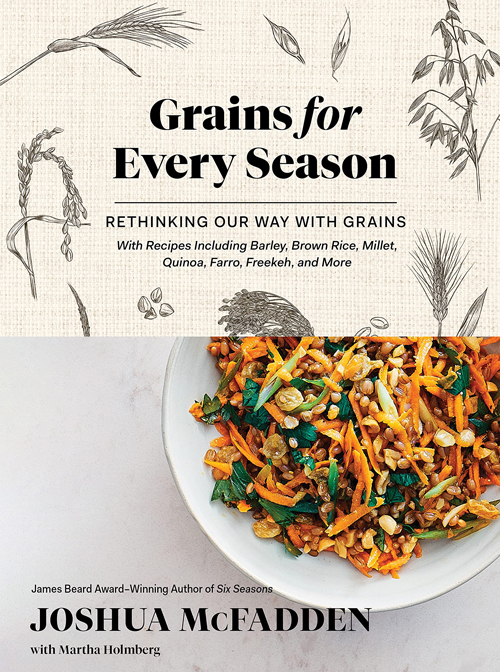
As McFadden notes, this cookbook doesn’t include recipes for every grain imaginable. Instead, he’s honed in on the ones that he believes are the most versatile in the kitchen.