Category Archives: Recipes (Savory)

En-dive or On-deev?

Did you know there's only one company in the United States that grows Belgian endive?

I sheepishly admit that I always thought either pronunciation was correct. In fact, I thought only those know-it-all-types who speak with their pinkies held high in the air actually refer to this distinctive member of the chicory family as “on-deev.”

How wrong I was, as Rodger Helwig, so kindly set me straight by telling me there is a difference after all. Helwig is the spokesperson for California Vegetable Specialties of Rio Vista, Calif., the only producer of endives in the United States. It sells more than 4 million pounds of red and white endives each year.

The elongated Belgian endive with its slender, smooth leaves packed tightly together, and which is grown in the dark, is pronounced “on-deev.” Because it hails originally from Belgium, it is pronounced the French way. On the other hand, curly endive with disheveled, wild leaves, and which grows in light, is pronounced “en-dive.”

It’s not surprising that there’s only one producer of endive in this country, given how difficult it is to grow. Indeed, it must undergo two growth phases before it is ready for market. In the first phase, the endives are in the ground outdoors for 150 days, where it grows from seed to root. Next, the top of the plants are lopped off, the roots dug up, then placed in cold storage to enter a dormant phase. Then, the roots are removed from cold storage for their second growth, which is done hydroponically and takes place in a dark, cool and humid room.  They are left to grow for about 28 days before they are dug up for market. Because of this process, endives are available year-round in this country.

Helwig is hoping more Americans will discover the versatility, and wonderful crisp, nutty, slightly bitter taste of endive. Europeans love the stuff, consuming 13 to 15 pounds per person a year, he says. Americans, though, eat merely an ounce a year.

Read more

Meaty Memories

My Dad taught me to love this unconventional cut of beef.

Oxtails.

The name alone may make some people blanch.

But to me, the tail never fails to get me in the heart.

You see, oxtails were the very last dish that I cooked for my Dad before he passed away. And so, they always make me think of him.

He’s the one who taught me true appreciation for this once-shunned, once-inexpensive cut that has such brazen beefiness.

If you like short ribs, you’re sure to go crazy for oxtails, which cook up even more tender with even more profound flavor. You can find them easily in the butcher case of Asian markets.

Sure, there’s more cartilage and bone in oxtails. But that’s what adds to their flavor and makes eating them such messy fun.

My Dad would cook up a cavernous pot on weekends, simmering the cut-up oxtails with star anise, soy sauce and ginger in a brothy cross between a soup and a stew. He’d throw in carrots and turnips, then let the pot simmer for hours until the meat was as tender as can be.

Then, he’d ladle big scoops of it into flat bowls filled with fluffy steamed rice, with the grains absorbing the aromatic broth so perfectly.

Read more

Braised Chicken Fit for Rainy Weather

Tender chicken cooked with apple cider to soothe your heart and tummy on a blustery, wet day.

When pelted left and right by rain, seek comfort with this dish, in which the only thing that gets soaked is the bread you’re sure to want to dunk into its brothy, fruity sauce.

“Braised Chicken with Apple Cider, Tarragon, and Cream” is from “Eating Local, the Cookbook Inspired by America’s Farmers” (Andrews McMeel) by Sur La Table in conjunction with Bay Area food writer Janet Fletcher.

The book, of which I received a review copy,  is filled with recipes that make the best use of each season’s bounty. It also includes profiles of 10 farmers across the country.

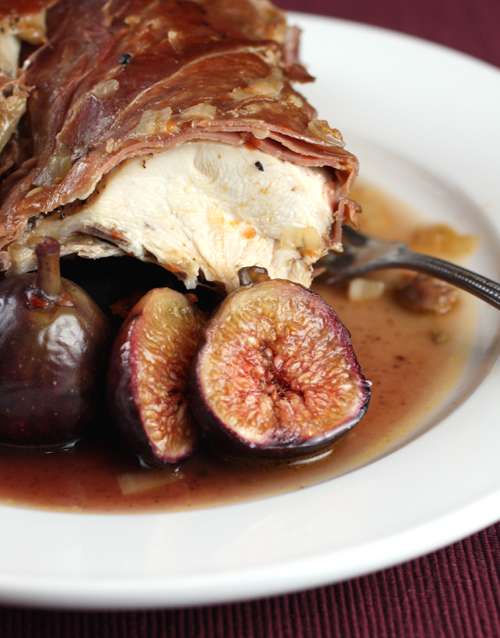
In this stew, a whole chicken, cut up into about 10 pieces, braises gently on the stovetop in chicken broth, shallots, tarragon and apple cider. I swapped out the cider, however, for Calvados, since I had a bottle of the apple brandy already open at home. Plus, in dreary weather like this, you need a little something something to get things going, don’t you think?

Read more

Terrific Tuna

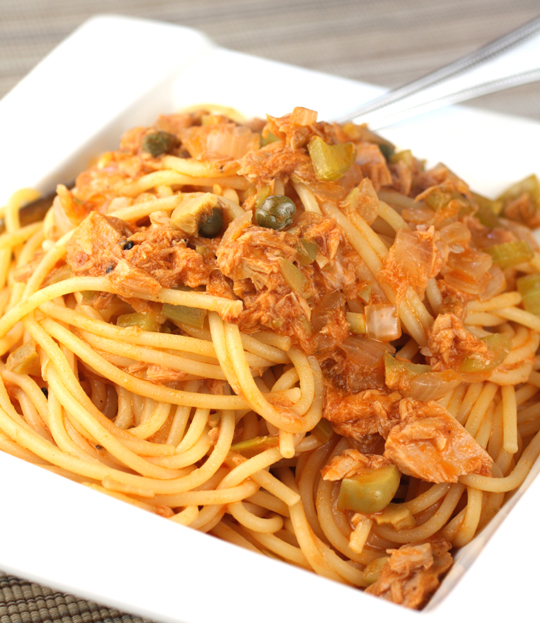
A silky lemony sauce coats every strand of these heavenly noodles.

Canned tuna doesn’t normally elicit a whole lot of excitement. Mostly, you grab it mindlessly out of the cupboard because it’s convenient for making a quick salad, sandwich or casserole that you’ve made a hundred times before.

But imagine a canned tuna that actually makes you sit up and take notice not only because it has really deep seafood flavor, but also because it is low in mercury and is caught in a sustainable way.

That’s what Raincoast Trading canned tuna is all about.

Indeed, Greenpeace Canada just released its first sustainability ranking of 14 major canned tuna brands. Only two garnered a passing grade: Wild Planet Foods and Raincoast Trading.

A canned tuna to feel good about eating.

The Vancouver, Canada company is run by a fourth-generation fishing family that catches wild-caught tuna and salmon in the Pacific Northwest. Each batch of tuna is tested for mercury, a heavy metal present in almost all seafood that can be harmful in large doses for pregnant women, nursing mothers and young children. The amount of mercury in Raincoast Trading’s tuna registers well below the allowable levels in the United States and Canada, according to a company spokesperson.

Read more

Wing-ing It

Asian-style chicken wings from a talented Basque chef.

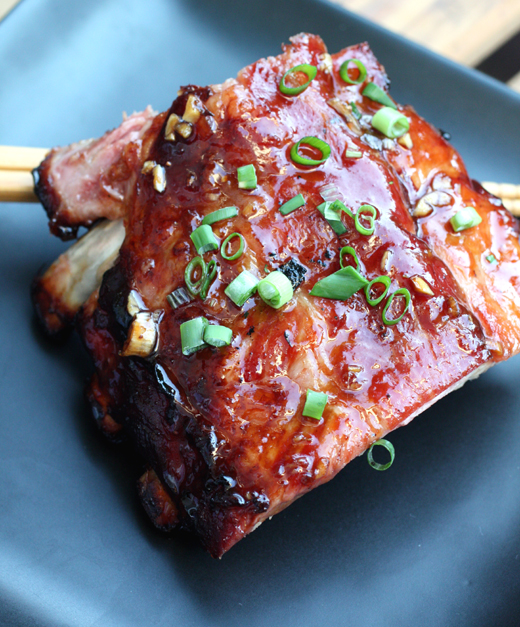
They are sticky, sweet and just a little spicy.

They’re everything you want in a finger-licking good chicken wing.

And would you believe these Asian-influenced wings were created by a Basque chef?

That would be the talented Gerald Hirigoyen of Piperade and Bocadillos restaurants, both in San Francisco. With both of his establishments within walking distance of Chinatown, he’ll often head to a nearby Chinese restaurant when he’s craving something different than his own food.

This dish, from his cookbook, “Pintxos” (Ten Speed Press), has become a favorite staff meal with rice at his restaurants.

Read more

« Older Entries Recent Entries »