Chicken leg quarters roast in the oven in an unusual method.
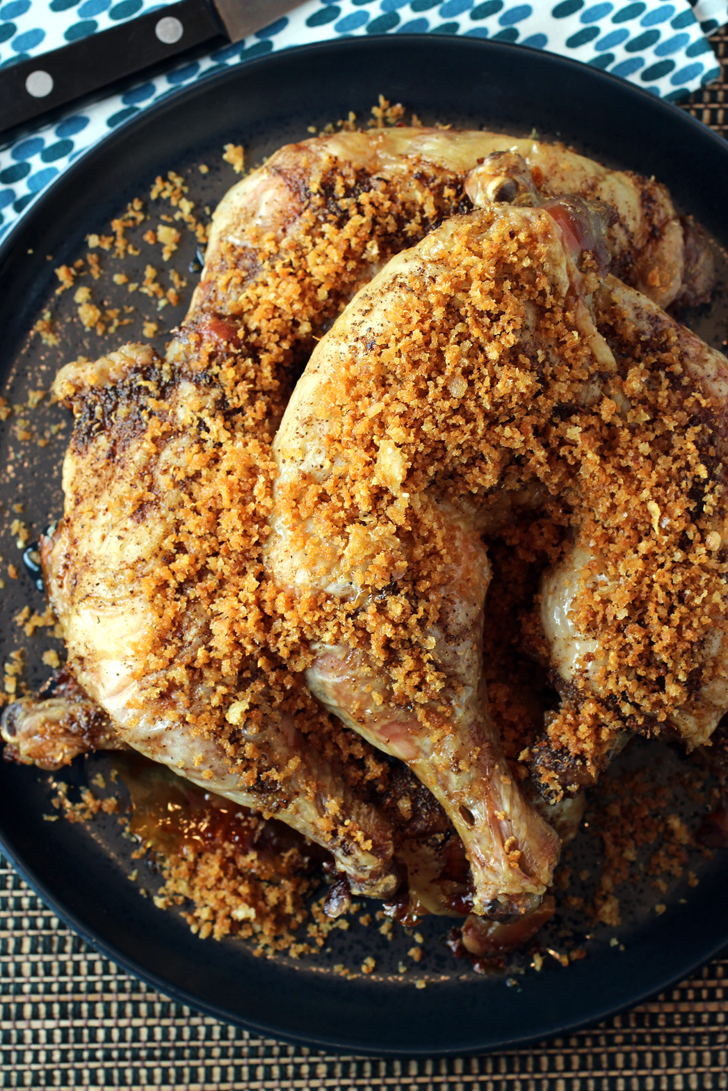
When it comes to battered, fried foods, I often think the best part is the little bits of golden, crunchy crumbs that fall off, which get eaten with your fingers with no shame, just total abandon.
If you’re with me on that, then you’ll go crazy for “Low-and-Slow Spiced Chicken Legs with Garlic Crunch-Crumbs.”
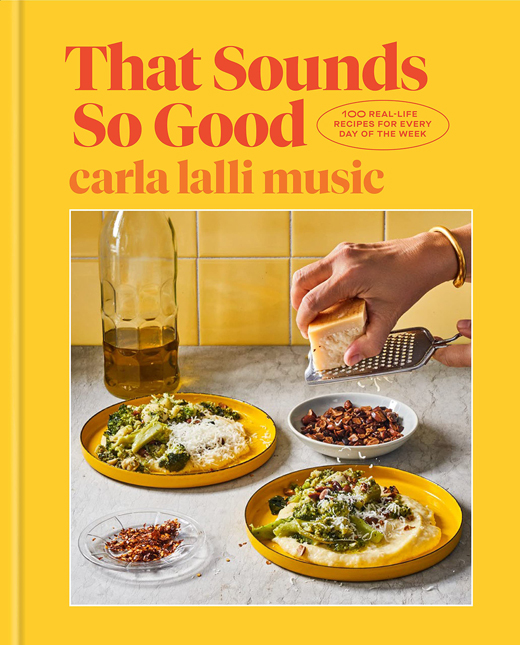
The book includes 100 recipes for weekday and weekend fare, each helpfully complete with suggested ingredient swaps, in case you don’t want to run to the store for something you don’t have on hand or if just want to shake things up a bit.
For instance, “Pasta with Cacio e Walnut” can be made with Pecorino Romano or aged Gouda instead of the original Manchego; or almonds or pistachios can stand in for the walnuts. In “Grilled Squid with Blackened Tomatoes,” sea scallops or large peeled shrimp can be used instead of squid; and fennel seeds can trade places with the original cumin and coriander seeds. If the “Vanilla-Brown Butter Pear Tart” has caught your eye, but it’s not pear season, then use Pink Lady or Granny Smith apples; or peaches, nectarines or plums with a smidge of cornstarch to thicken their juices.
As the title implies, this collection of recipes is all about making the most of a handful of ingredients to draw out deep, true flavors.
The beauty of this book is that it’s the way most of us want to cook at home, relying on a few staples to get food on the table with little fuss but loads of satisfaction. You’ll find just that in recipes such as “Rigatoni with Corn Sauce and Sizzled Corn,” “Braised Brisket with Forty Cloves of Garlic,” “Pork Tenderloin with Buttery Kimchi & Apples,” and “Low-Maintenance Oatmeal Cookies.”
Written by French author Mireille Sanchez, this definitive cookbook is arranged by country, with chicken recipes galore, from “Bhutan’s Cayenne Pepper Chicken on Red Rice” and “Argentina’s Welsh Apricot Chicken” to “Indonesia’s Java Fried Chicken” and “Tanzania’s Chicken and Banana Soup.”
Long on recipes, it is short on photos, though, which might make it less appealing to some. You may need to Google or hunt online for some of the more esoteric ingredients, too, such as chicken blood in one Brazilian recipe, or corchorus (jute mallow) for an Egyptian dish.
I also wish the book included introductions for each recipe to not only reveal its significance to the spotlighted country but also to hint at what the dish is like in terms of taste and appeal. As it is, you have to use your own imagination when reading the recipe to glean what it might be like.
There’s no serious thinking needed, though, to know that maple syrup, mustard and orange juice make fpr a delicious marinade. That’s why I honed in on the recipe from Novia Scotia for “Maple Chicken.” It’s easy enough to make on a weeknight, too.
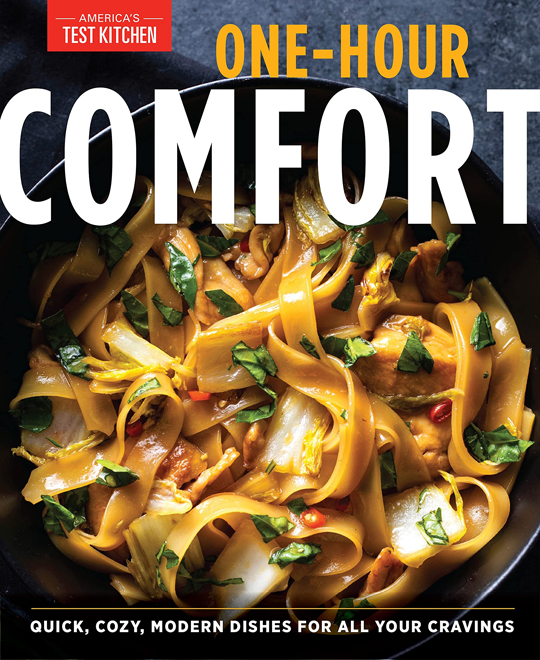
Got a mere hour? Then, you’re on your way just like that to self-care served up in a bowl or plate.
The recipes span dishes perfect for every hour of the day, from “Malted Milk Pancakes with Nutella Maple Syrup” and “Sesame Noodles with Shredded Chicken and Vegetables” to “Skillet Spanikopita” and “Caramel Dumplings.”
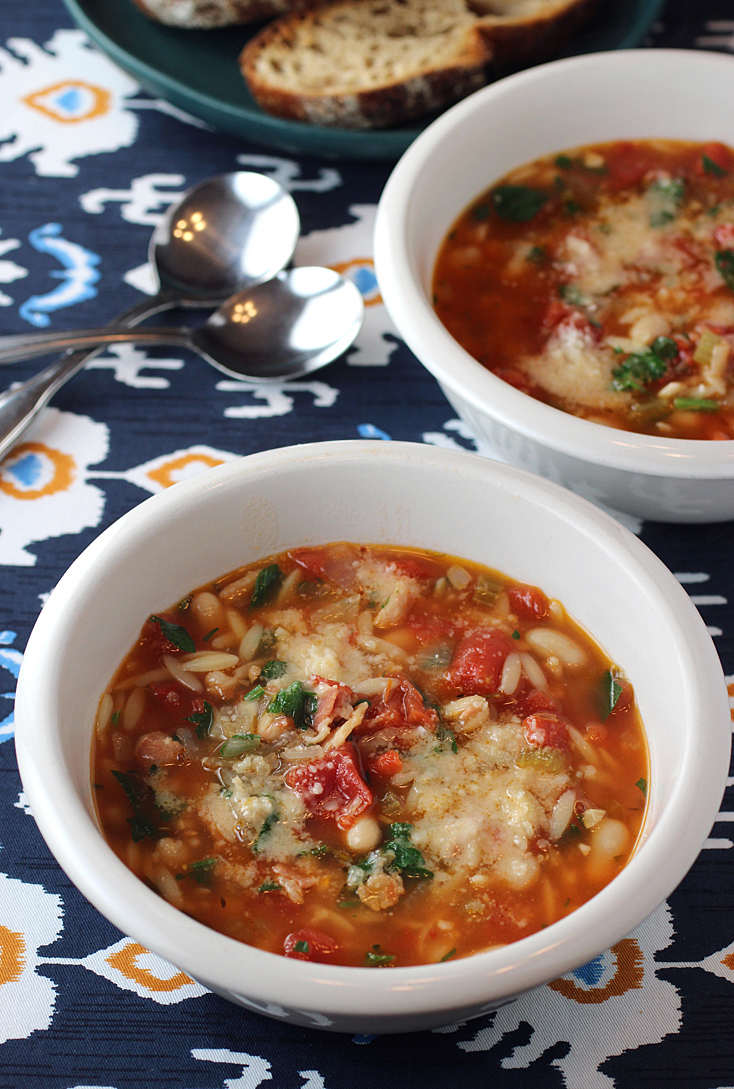
For me, “Italian Pasta and Bean Soup” sure hit the spot. It not only comes together fast, but it makes use of ingredients you most likely already have on hand if you keep a well-stocked pantry and freezer.