Category Archives: Recipes (Sweet)

Meyer Lemons — The Sweet
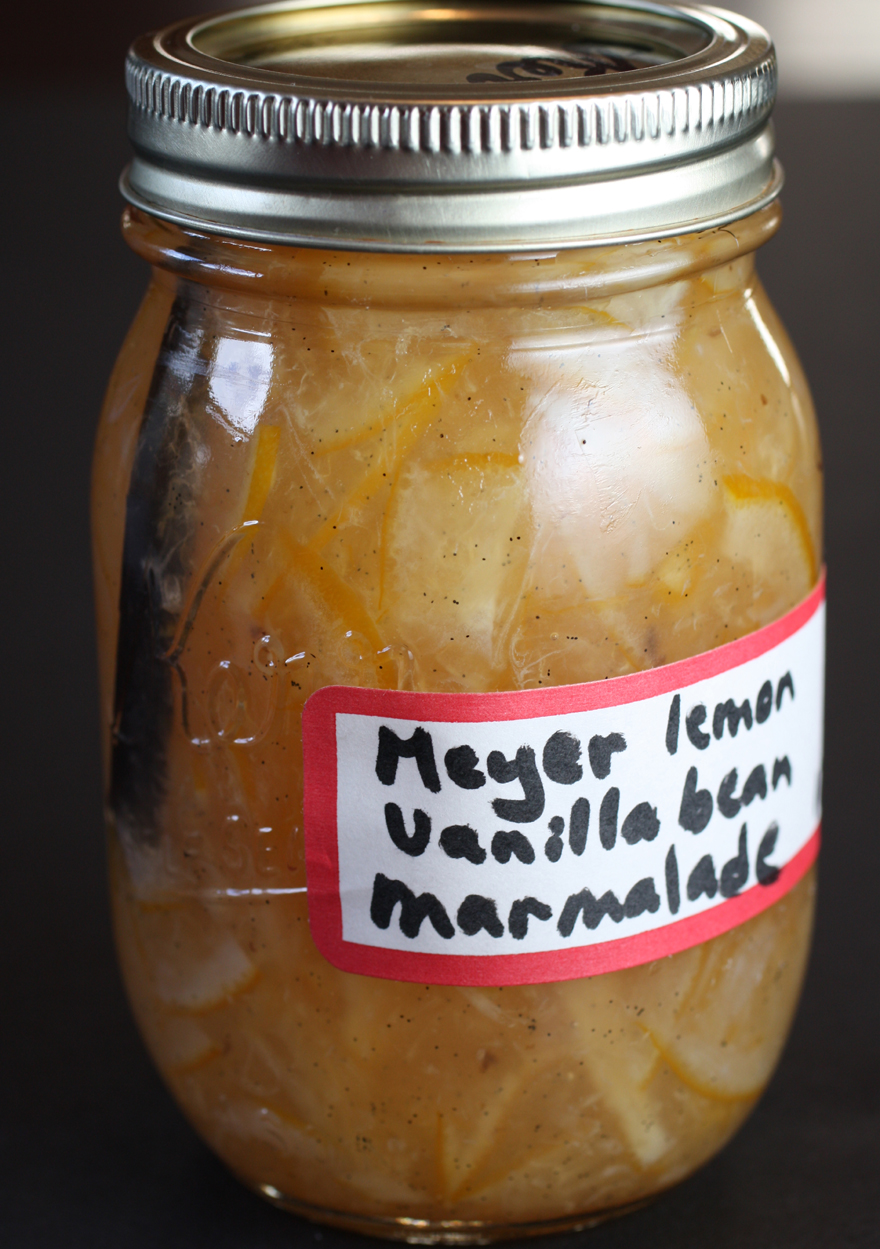
My first jam.

I have a confession to make: I had a serious case of the jam jitters.

Don’t get me wrong. I love jam. In fact, I enjoy it almost every morning, spread thickly on sourdough toast or an English muffin.

But I had never made jam.

Until now.

You see, I was a can-o-phobe. There are some notable culinary life passages we all face: Cooking that first Thanksgiving turkey. Baking something with yeast for the first time. Shucking that first oyster. Add to that list, jam-making for me. I’d conquered those other rites long ago. It was high time to tackle this one, too.

When I won a load of homegrown Meyer lemons from 5 Second Rule’s recent raffle, I wanted to put them to good use. So, Meyer Lemon Marmalade with Vanilla Bean seemed like a most fitting tribute.
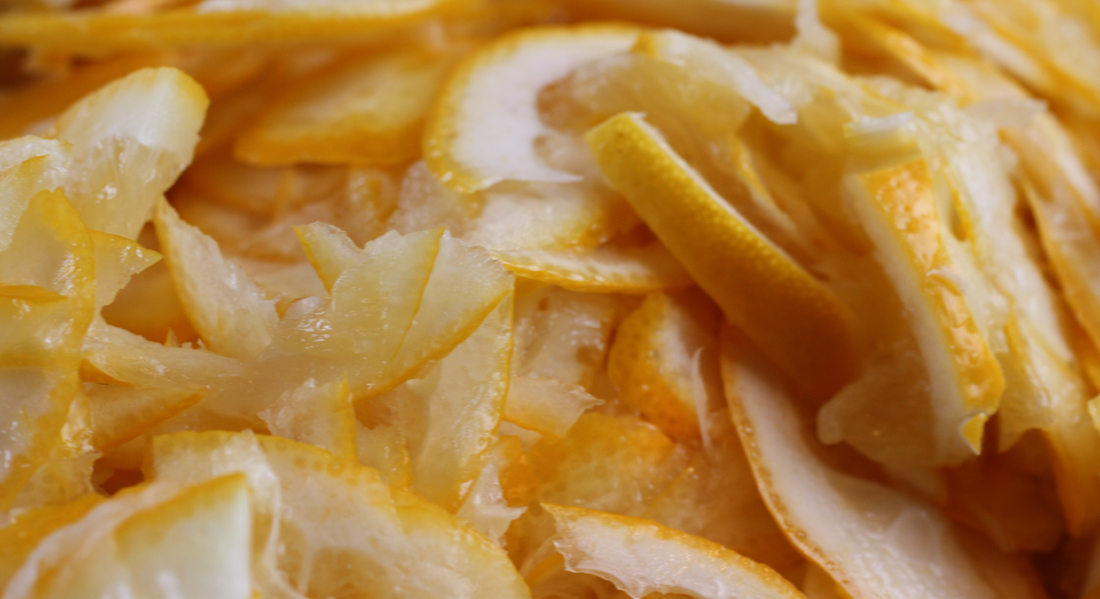
A load of lemons.

Jam-making veterans had told me how easy it was to do. They took such pleasure in doing something so old-fashioned and nurturing, and not to mention cost-effective in this horrific economy.

For years, I had put off trying my hand at jam. Well, I’d have to buy a water bath canner, for one thing. I’d heard horror stories of jams that didn’t gel. And I worried I’d end up poisoning friends and family members alike if I screwed it up.

Can-o-phobia, I tell ya.

So, this recipe was perfect for a neophyte like me. It required no water bath canner or any pectin. It consisted of only lemons, sugar, salt, water, and a vanilla bean. I could store the jam in jars in the refrigerator after I’d sterilized them in the dishwasher. It was as easy as can be.

I used a mandolin to slice the Meyers thinly, and then removed all the seeds. As the lemons simmered in a big pot on the stove with the other ingredients, the house smelled incredible. Meyer Lemon #5, anyone? The natural, fresh, floral, citrusy fragrance was as intoxicating as any expensive perfume.

My only hitch was that I couldn’t get the boiling mixture up to 230 degrees. I came up 10 degrees short, no matter how long I simmered it or at how high of a heat. No matter, the jam set up perfectly once it was refrigerated for a few hours.

As I stared at my jars, looking for all the world like they were imbued with pure sunshine, I admit that I felt proud. And when I spread my marmalade on toast each morning, I smile at its sweet-tart taste, and its thick, rind-laden, pulpy texture.

Jam jitters?

Forget about it.

Meyer Lemon and Vanilla Bean Marmalade
Read more

Playing It Sweet and Safe

In these uncertain times, we long for stability. We crave comfort. We want reassurance.

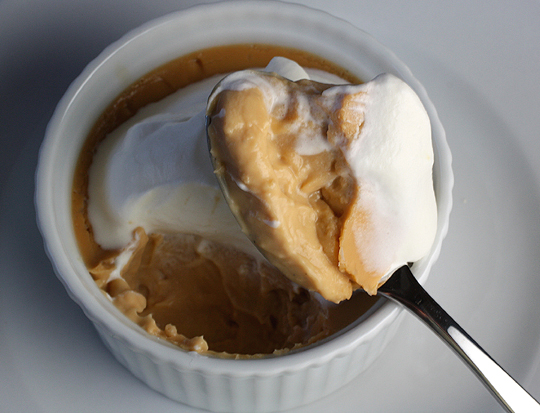
What we need, dang it, is pudding.

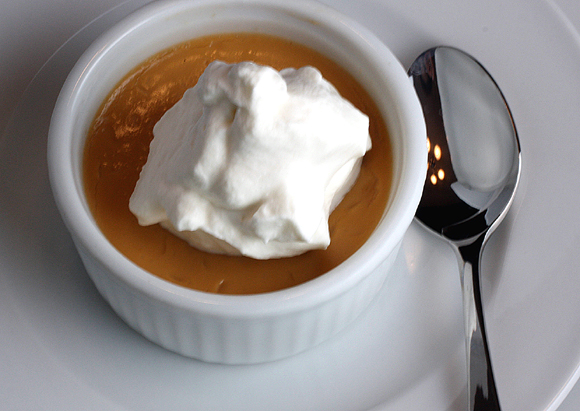
Bradley Ogden’s butterscotch pudding, to be precise.

It’s a taste of nostalgia, of a better era, of more flush times. It’s a sweet, creamy spoonful that goes down ever so easily, unlike each morning’s painful headlines. And it’s got a touch of real booze in it. How many of us couldn’t use a bit of a buzz these days to calm our anxieties, right?

This classic dessert, that’s thick as all get out, and a real mouthful of butterscotch flavor, can be found on the dessert menus of the various Lark Creek Restaurant Group establishments, of which Ogden is a founder.

In the original recipe by Ogden’s mom, the pudding is baked in individual ramekins in a water bath. The restaurants make their pudding in one large pan in a water bath, then strain the baked pudding through a chinoise, before serving it in tulip glasses. By straining the pudding, you get rid of the thin, darker skin that forms on the pudding after baking. It also results in a pudding that’s a little less dense in texture.

Since the skin doesn’t bother me, and because I like the pudding at its very thickest, I cook mine with the individual ramekin method sans sieving post-baking. It’s the way Ogden’s mom made it, and the way he prefers it, too.

Make a batch of this awesome butterscotch pudding, and welcome 2009 with a sure thing.

The pudding needs to be made a day ahead of serving, as it needs time to chill and set up in the refrigerator. Covered with foil, the pudding will keep in the refrigerator for about 3 days.

Butterscotch Pudding

Read more

A Show-Stopping Dessert with A Spicy Taste of Winter

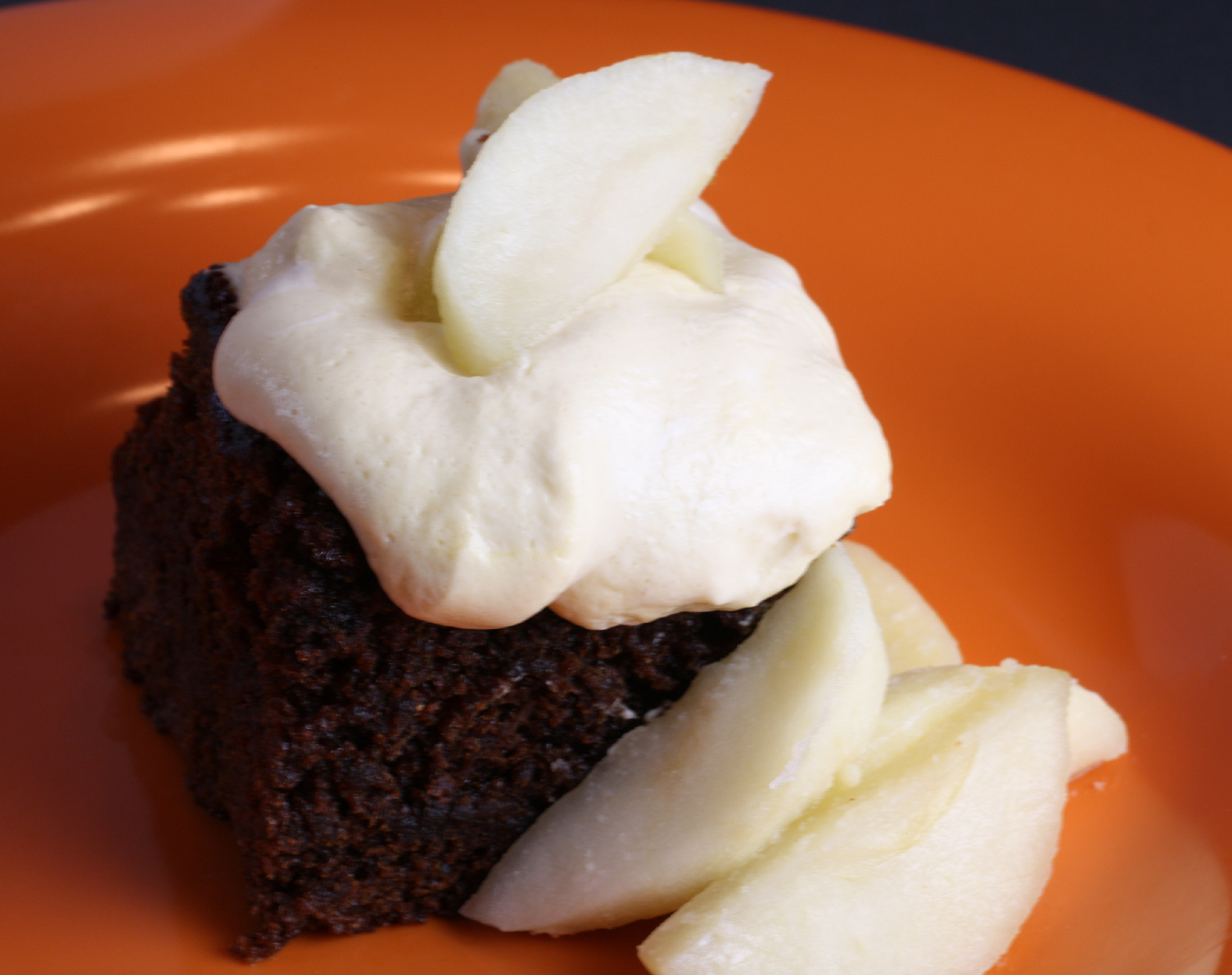
Gingerbread cake that's mmm, mmm good.

This is one of the desserts that award-winning San Francisco Pastry Chef Emily Luchetti says she makes most often.

It’s easy to understand why.

It’s a classic gingerbread cake with an air of elegance and sophistication because of its accouterments — a compote of warm, tender apples, and a rich, creamy sabayon with the added complex kick of Calvados (apple brandy).

Luchetti says she used to slice the cake and build little gingerbread houses out of them. Now, she takes the simpler approach and just cuts the cake into squares. “Tastes just as good,” she says with a smile.

“Gingerbread with Warm Apples and Cider Sabayon” is from Luchetti’s lastest book, “Classic Stars Desserts” (Chronicle Books).

The dark, moist cake looks almost like it’s made of chocolate because of the molasses in the batter. Warm spices including ground ginger, cinnamon, and cloves give it a comforting taste of winter.

The cider sabayon is made by whisking egg yolks, sugar, apple juice and Calvados in a double-boiler until thick and smooth. Then, whipped cream is gently folded into the cooled sabayon for even more luxuriousness. I could happily eat this by the spoonful all on its own. But that would be wrong, wouldn’t it?

You can make the cake, warm apples (I used a mix of Galas and Granny Smiths), and sabayon a day ahead of time. Just reheat the apples before serving.

I made this dessert for my in-laws’ Christmas gathering. Even my husband’s 20-something nephews went wild for it.

The recipe says it serves 6, but that would mean some seriously large slabs of cake. I found that it makes more like 8 servings, even for me, who can’t get enough of this knockout dessert.

Gingerbread with Warm Apples and Cider Sabayon

Read more

Root Beer — It’s Not Just For Drinking

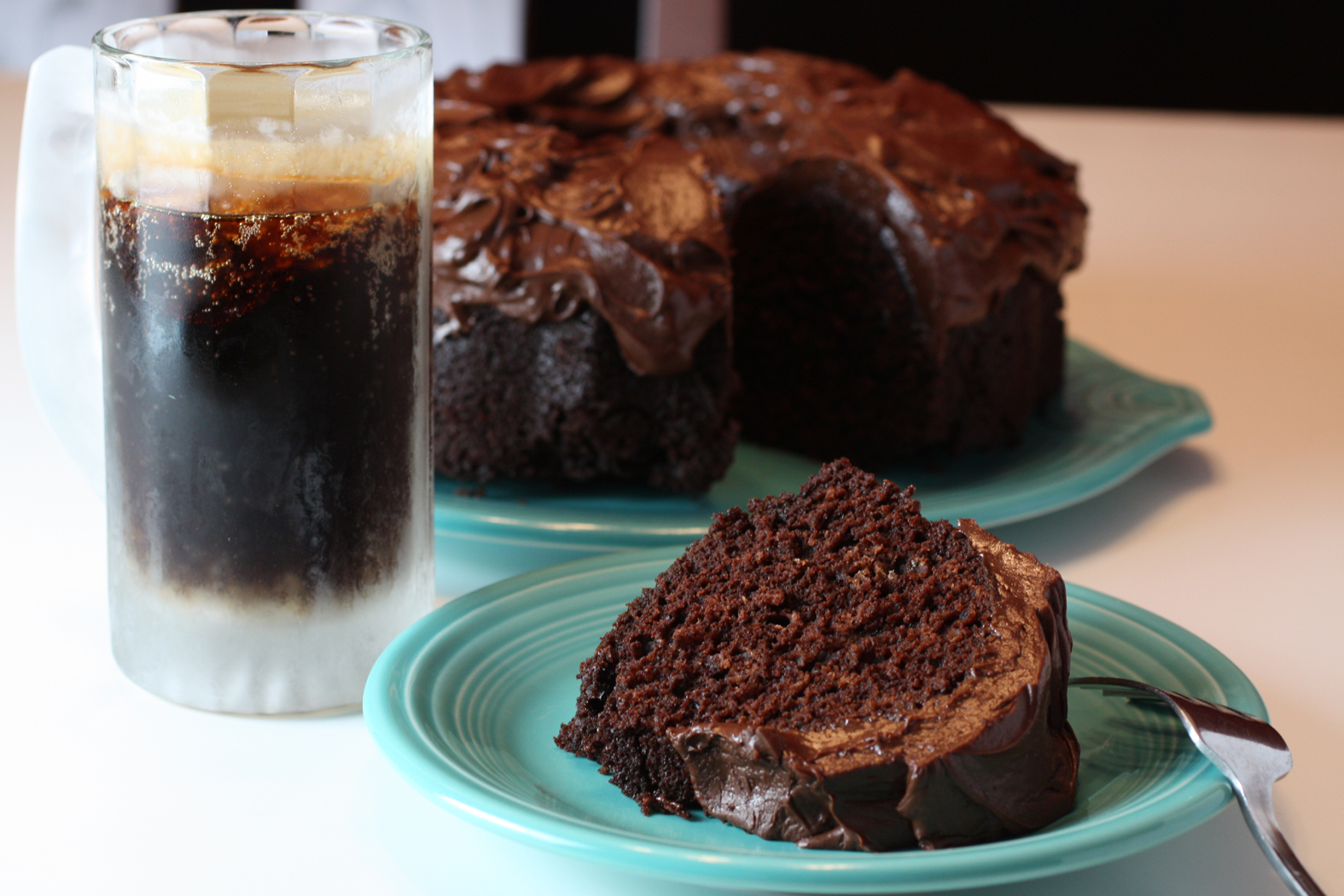
The secret ingredient in this luscious cake? Root beer.

One of my fondest memories as a teenager is the jolting brain freeze I’d get slurping an A&W root beer float after spending the afternoon playing tennis with my older brothers.

The frosty mug of root beer and soft-serve vanilla ice cream went down sweet, slightly bitter, and creamy. I was usually so thirsty that I couldn’t help but take that first gulp big and fast. The coldness would race up my nose to the middle of my eyes, forcing them shut with part pleasure and part pain. For a kid, it was the ultimate reward after all that running around after a fuzzy, bouncing ball.

Nowadays, I can’t remember the last time I picked up a tennis racket. And I long gave up root beer floats in an ode to try to be more health conscious.

But when I saw the photo of Root Beer Bundt Cake in the new “Baked: New Frontiers in Baking” cookbook (Stewart, Tabori & Chang) by Matt Lewis and Renato Poliafito, I knew I had to make it. There’s root beer in both the chocolate cake and the chocolate frosting.

Read more

For Pumpkin-Pie Haters

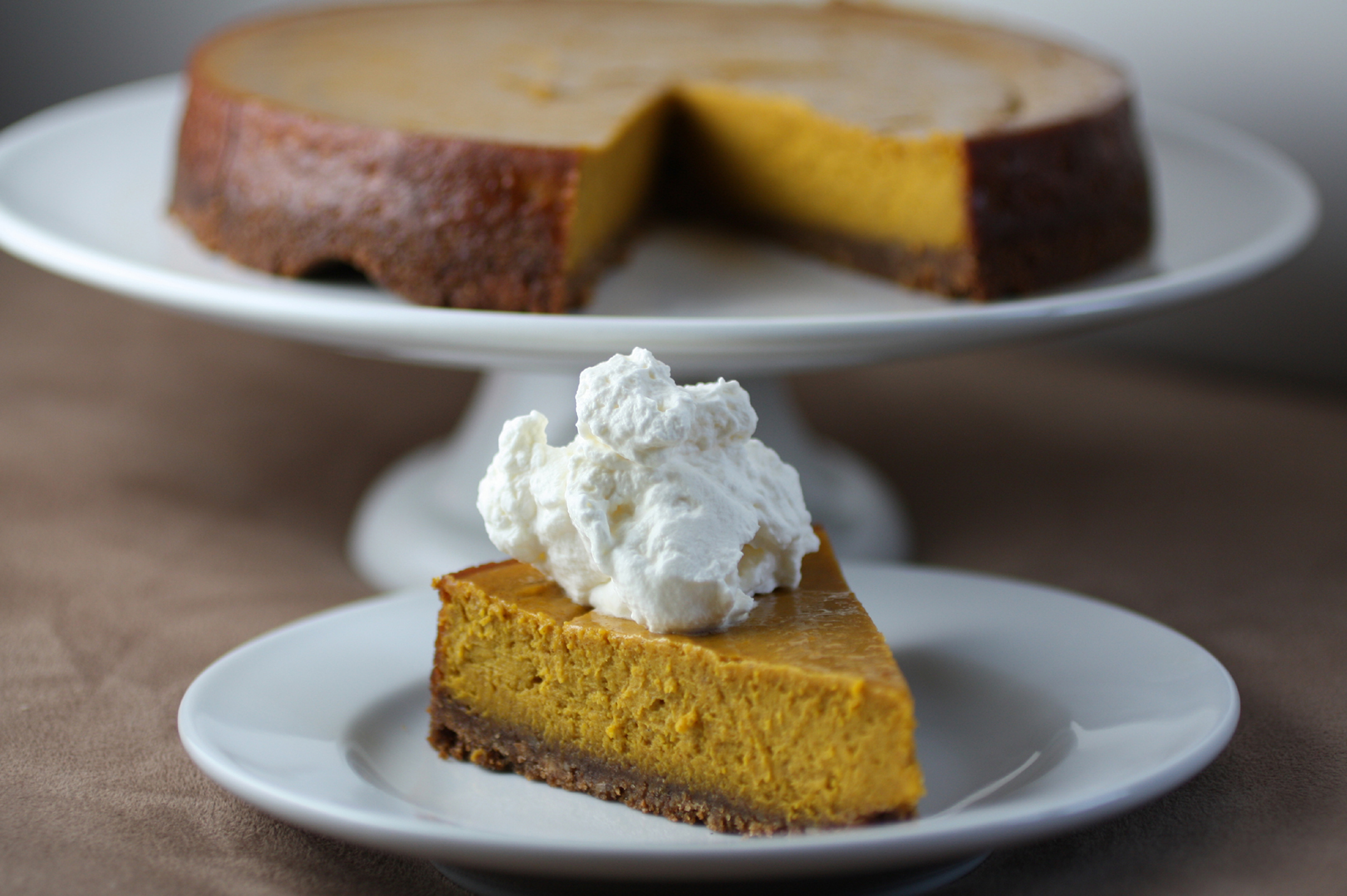
Cheesecake you can't resist.

Let me just say right off: I am not fond of pumpkin pie.

I know this makes no sense, but I thoroughly love pumpkin bread, pumpkin muffins, pumpkin ice cream, and pumpkin cheesecake. Just not pie.

Don’t get me wrong, I love pie in general. But there’s just something that turns me off about pumpkin pie. Too much of a one-dimensional flabby texture? Perhaps. All I know is that if pumpkin pie is the only option for dessert, I’d rather go without. And for a dessert lover like me, that’s saying a lot.

Yet I love the drama and festiveness of a big, beautiful dessert decked out in the color of fall. So that’s why I was thrilled to find this extraordinary cheesecake recipe by renowned New York Pastry Chef Pichet Ong, a University of California at Berkeley grad, who has worked at Chez Panisse in Berkeley and La Folie in San Francisco, as well as Jean Georges, and Spice Market, both New York restaurants owned by celebrated Chef Jean-Georges Vongerichten. Ong now is chef and owner of P*ONG, a cutting-edge dessert spot in New York City, where his creations fuse both the sweet and the savory.

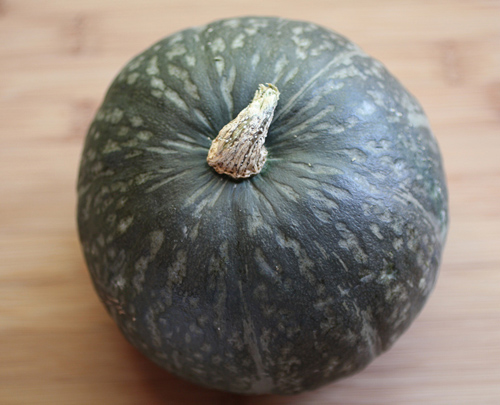
Kabocha squash or Japanese pumpkin

His recipe for Kabocha Squash Cheesecake with Walnut Crust comes from his cookbook, “The Sweet Spot” (William Morrow). No pumpkin here; only kabocha squash. Also known as Japanese pumpkin, it’s probably most familiar to you as a component in assorted Japanese tempura. I don’t know about you, but the orange curve of golden-battered squash in the mound of fried veggies and shrimp is the tempura piece I covet most.

I love its natural honeyed, nutty sweetness, and its fluffy, starchy texture that’s like roasted chestnuts or a roasted russet potato.

Read more

« Older Entries Recent Entries »