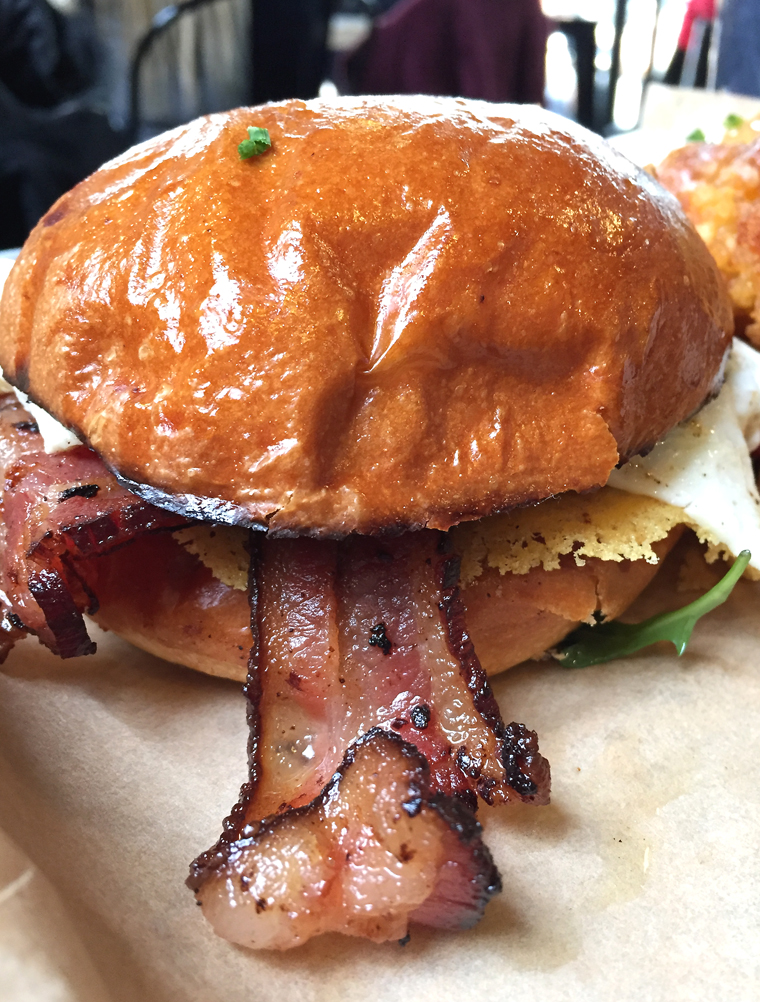
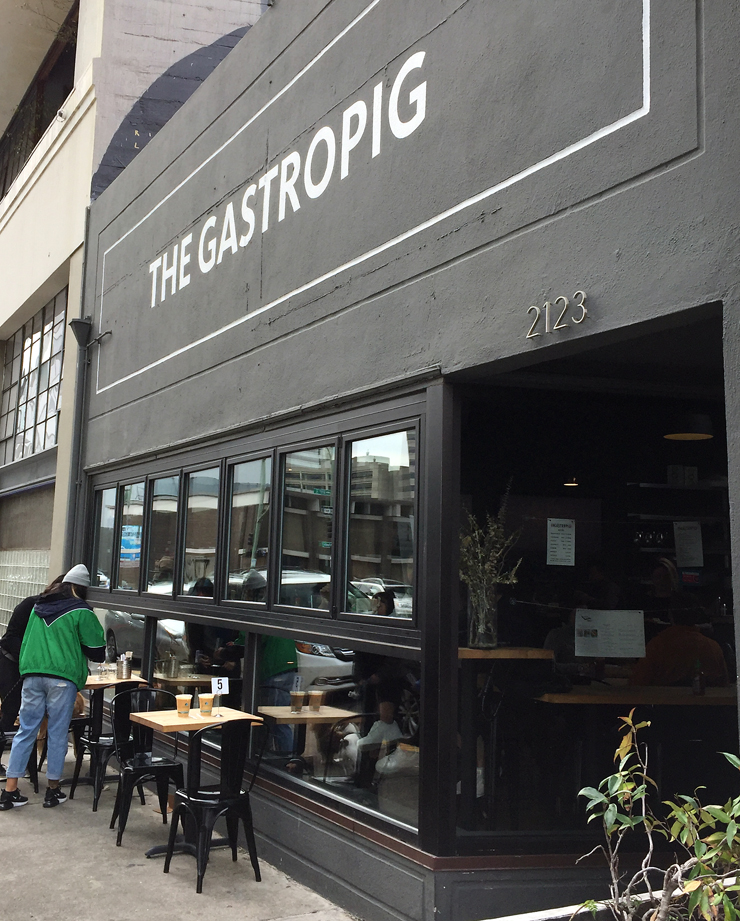
You’ll be forgiven if you leave this rollicking Oakland cafe, oinking.
After all, it just can’t be helped after chowing down happily at The Gastropig.
This sweet little spot is operated by Chef Loren Goodwin, who cut his chops on the line at Chez Panisse in Berkeley.
A sweet spot in Oakland.
Amusingly enough, Goodwin was raised vegetarian. But after trying his first taste of ham as a kid, he instantly crossed to the “dark side.” Who can blame him?
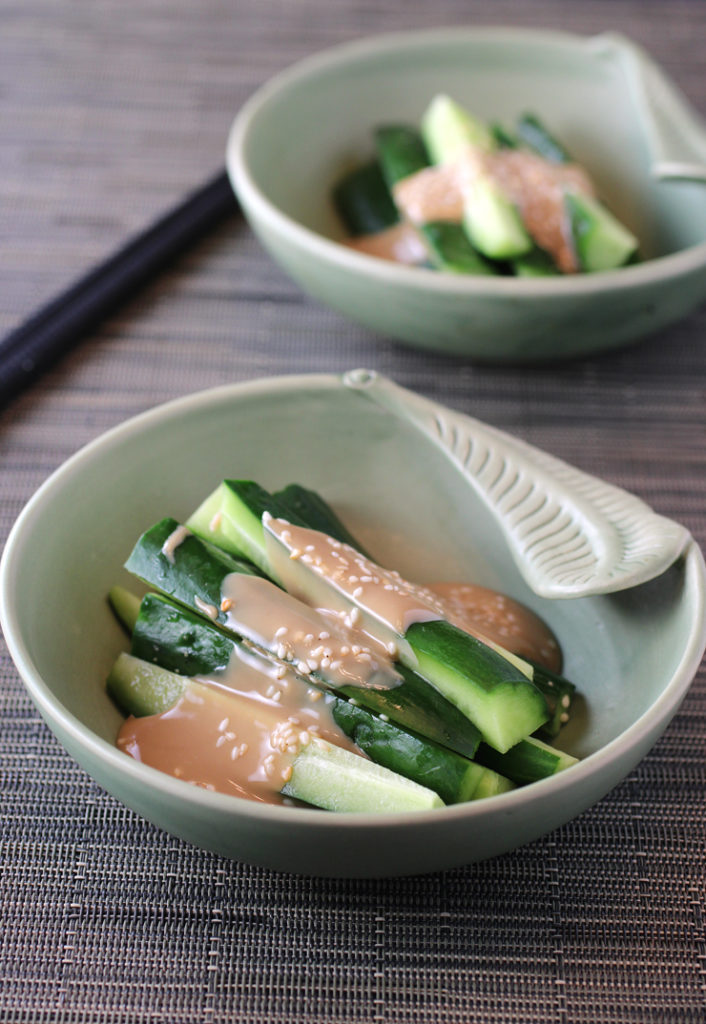
Refreshing, loaded with sesame flavor, and a snap to make in about 5 minutes.
Tomorrow ushers in the Lunar New Year, the Year of the Rat. But truth be told, this Chinese dish is so easy and winsome, it’s perfect any day of any season.
The poetically named “Phoenix Tails in Sesame Sauce” grabs from the get-go with a quick, arresting sauce heady with the deliriously deep taste of roasted sesame seeds.
This side dish, appetizer or first-course is from the new “The Food of Sichuan” (W.W. Norton & Company, 2019), of which I received a review copy.
The 495-page treatise is by Fuchsia Dunlop, a true authority on regional Chinese cuisines. The London-based food writer speaks, reads and writes Chinese. Her many cookbooks spotlighting Chinese food are must-reads for anyone who desires a deep-dive into the differences and nuances of each culinary region.
“The Food of Sichuan” is actually a revised and updated edition of her classic cookbook, “Land of Plenty,” which was published in 2001 when Sichuan cuisine was still little experienced in this country.
The new edition of the book contains more than 50 new recipes. Yes, Sichuan dishes are known for their liberal use of chiles and lip-numbing Sichuan peppercorns. But there are plenty of tamer dishes, too.
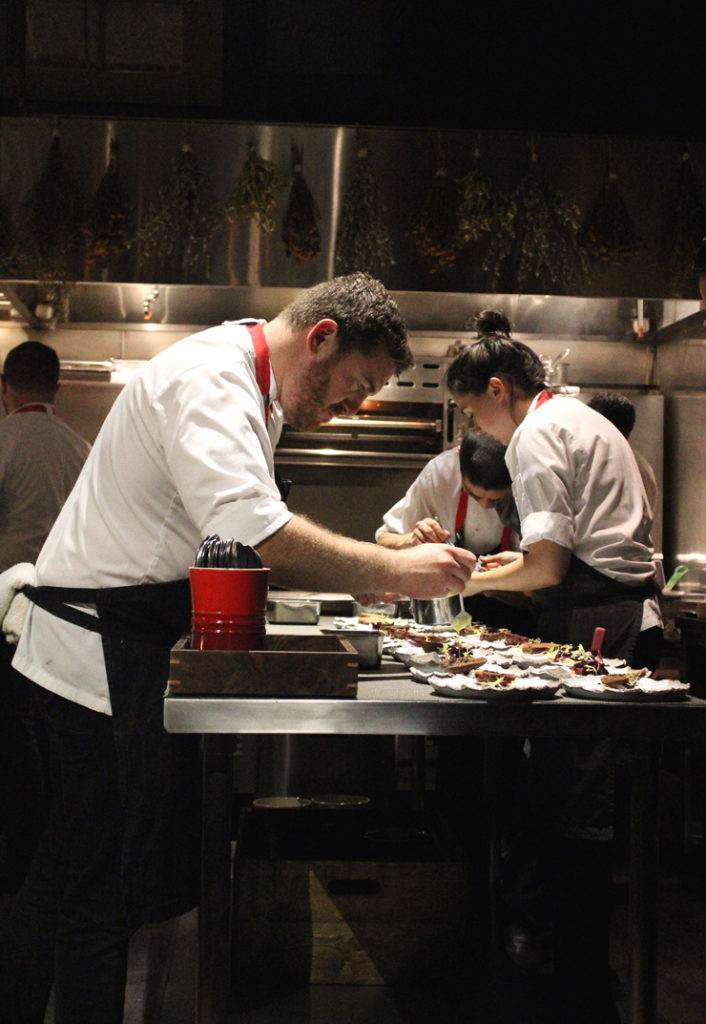
Chef David Barzelay putting the finishing touches on a dish at his Lazy Bear in San Francisco.
Chef David Barzelay can get by on little sleep. Sometimes only two to four hours per night.
But that’s a good thing when one is essentially throwing a dinner party five nights a week.
His Michelin two-starred Lazy Bear in San Francisco touts itself as a “modern American dinner party in the Mission District.”
There is definitely an air of that, as I experienced when I was invited in as a guest of the restaurant recently. Dinner is $199 to $221, and must be reserved and paid for ahead of time in the form on online tickets. Wine or non-alcoholic pairings are extra.
You feel a little like you’ve been invited to a surreptitious dinner party, especially because the dark-fronted building doesn’t have a typical sign — just a small one painted with a black and red buffalo plaid pattern.
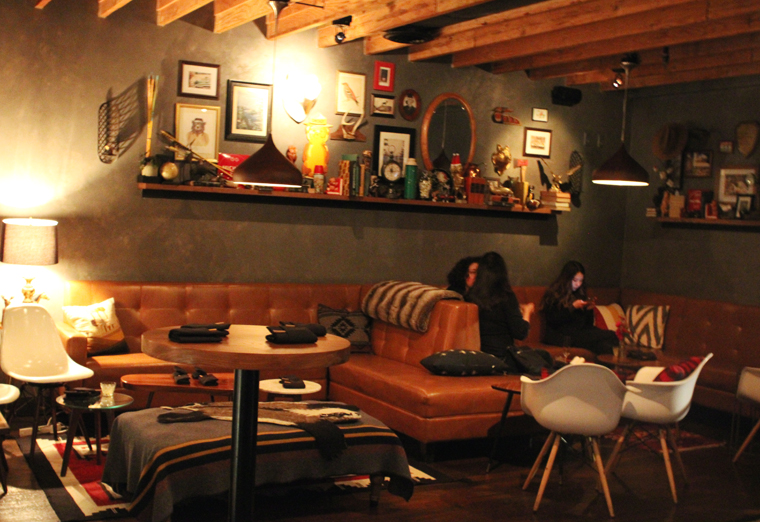
Walk inside and you’re escorted up the stairs to the dimly-lighted, cozy lounge, where your jackets will be whisked away, and you’ll be handed crystal glasses of pear-rum punch from a real punch bowl. Yes, when’s the last time you experienced that?
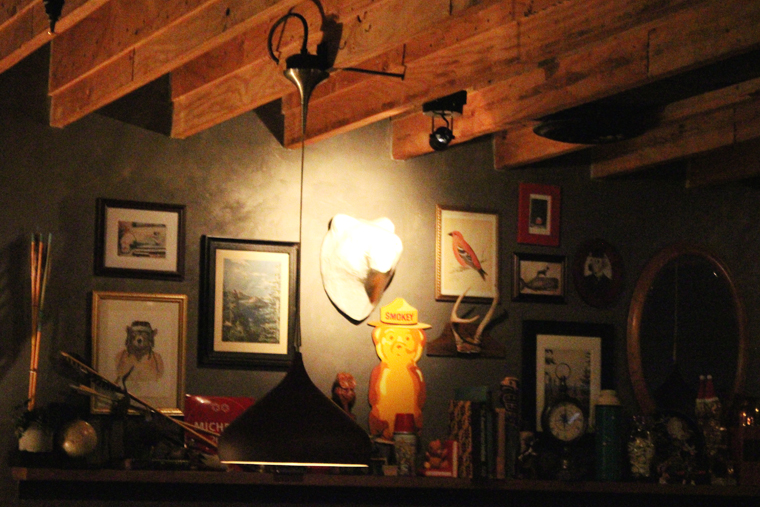
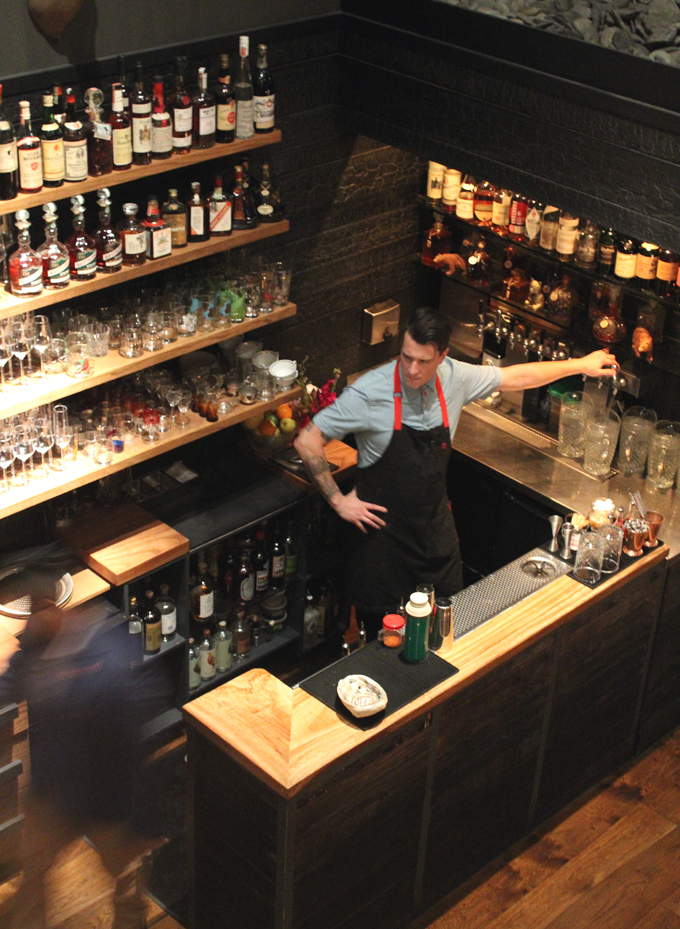
The upstairs lounge.Smokey the Bear — and a host of other bears — are prominentthroughout.The bar on the first floor right when you walk in.
Lazy Bear immediately transports you to another time and place with its Boy Scout-hunting lodge meets mid-century modern decor.
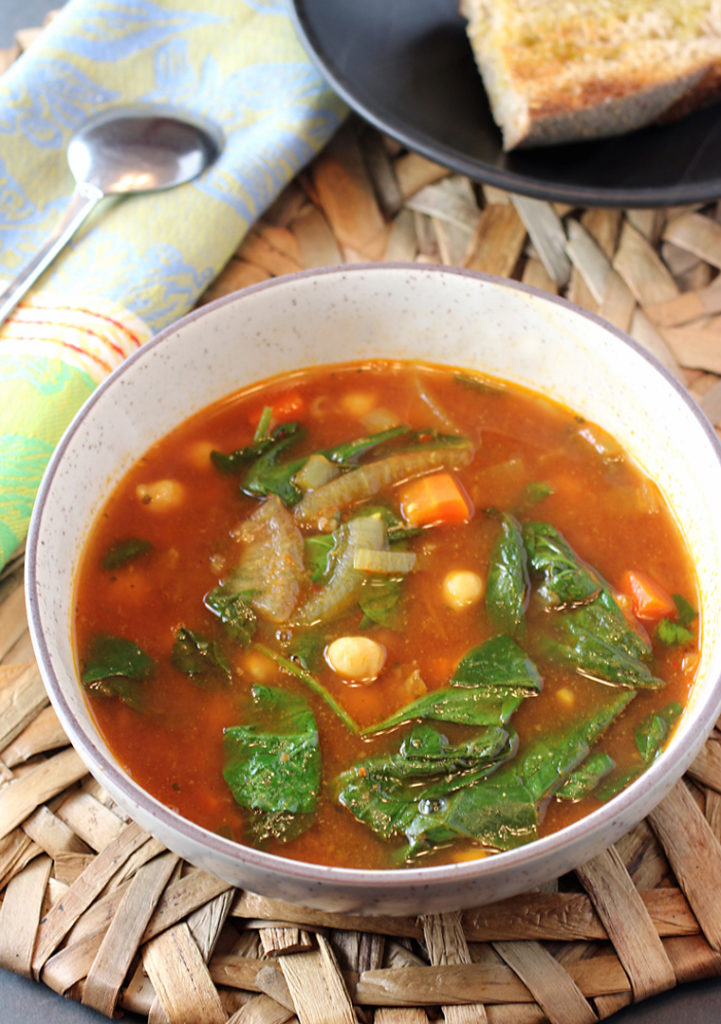
On a wintery night, this is the soup you will want to curl up with in a most generous bowl.
“Moroccan Lamb, Tomato and Chickpea Soup” is substantial with tender chunks of lamb shoulder, nutty chickpeas, sweet carrots, and minerally spinach. It’s also a riot of aromatics, thanks to South African-Moroccan ras el hanout and harissa. And it’ll warm you through and through from the very first sip, given its kick of complex spiciness.
The book features recipes from the whimsically named Dirty Apron Cooking School in Vancouver, B.C. that’s owned by David and Sara Robertson. Sara handles the business-side, while David, a long-time chef, oversees the classes, as well as Dirty Apron’s deli and catering business.
It’s the second cookbook by David, who also wrote “The Dirty Apron Cookbook” (Figure 1, 2015), which was designed to bring the cooking school into your home by teaching invaluable techniques.
The follow-up cookbook is all about sharing the love of home-cooking with friends and family in dishes such as “Creme Brulee French Toast,” “Kabocha and Wild Rice Salad,” “Spanish Manchego Meatballs with Saffron Basmati Rice,” and “Olive Oil and Rosemary Cake.”
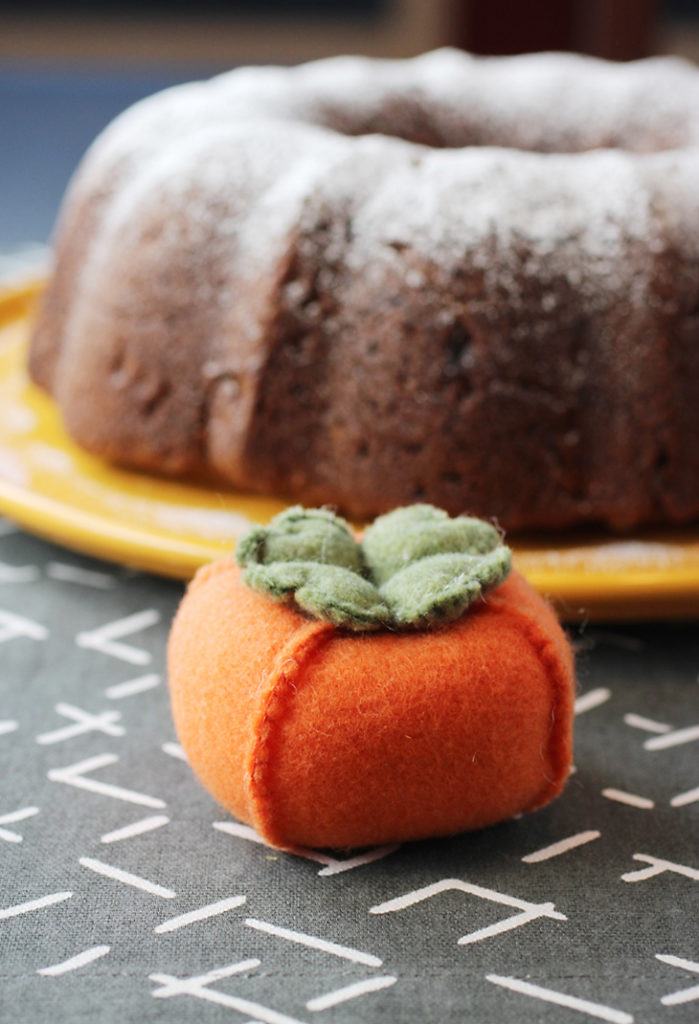
While this is a faux persimmon, my new-found adoration of Hachiya persimmons is very much real.
Like so many great love affairs, this one began with trepidation.
After all, an astringent personality is not something one warms to readily. What was required was untold patience for its latent sweetness to reveal itself in time.
Such was my relationship with Hachiya persimmons.
Now, with its cousin, the Fuyu, the attraction was immediate. Cheerfully hued, beguilingly sweet, and ready to eat in a flash while still crisp, the Fuyu is thoroughly captivating in salads or pickled.
But the Hachyia? Well, it was more like that demon lurking in the shadows in a horror movie, biding its time as it transformed ever so slowly but surely into something blobby, oozy, and frightening.
Can you blame me for trying to avoid it for years?

 (W.W. Norton & Company, 2019), of which I received a review copy.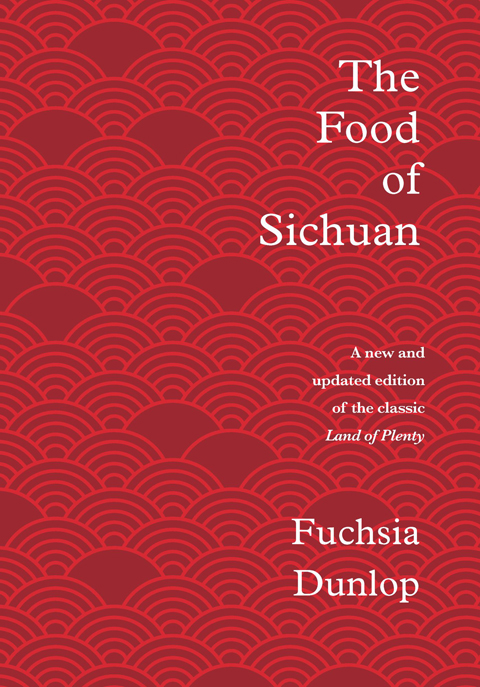
 (Figure 1, 2019), of which I received a review copy.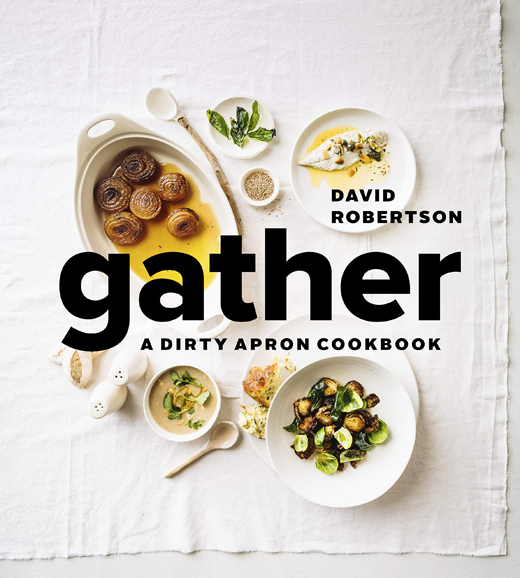
 (Figure 1, 2015), which was designed to bring the cooking school into your home by teaching invaluable techniques.