San Jose’s Bluefin Restaurant — Where Sharks Gather
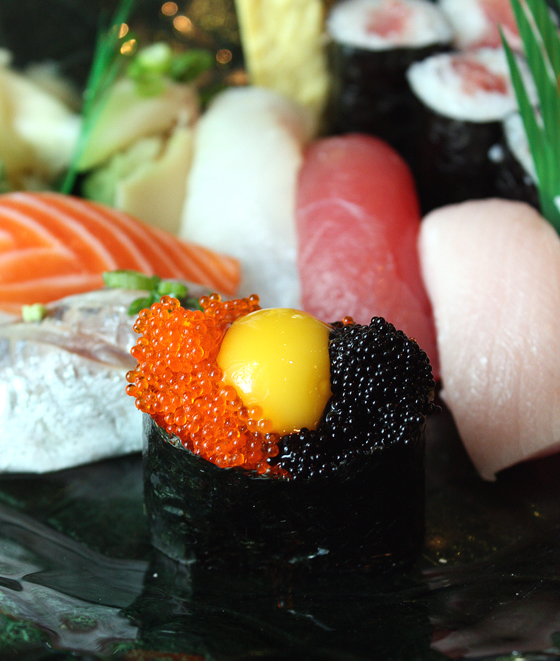
It’s a Japanese restaurant owned by a Korean-American chef that’s named after one of the world’s most expensive and endangered fish.

And it’s a place where sharks gather — as in Manny Malhotra, Joe Pavelski and Kent Huskins of the San Jose Sharks hockey team, who circle the ice at HP Pavillion, then come here for a bite to eat.

Executive Chef Jun Chon, opened Bluefin restaurant last October on The Alameda in San Jose, not realizing the name he had chosen was that of a species many environmentalists are urging be declared endangered because it has become so over-fished.

“I have gotten criticized a few times about the name,” Chon says. “I only picked the name because it was simple and easy to remember. It’s the king of fish. I didn’t think about the endangered part.”

It’s a Catch-22 for many sushi chefs these days. So many of the most popular fish used for sushi are over-fished. But so many customers still want to eat those varieties that chefs feel almost obliged to serve them.
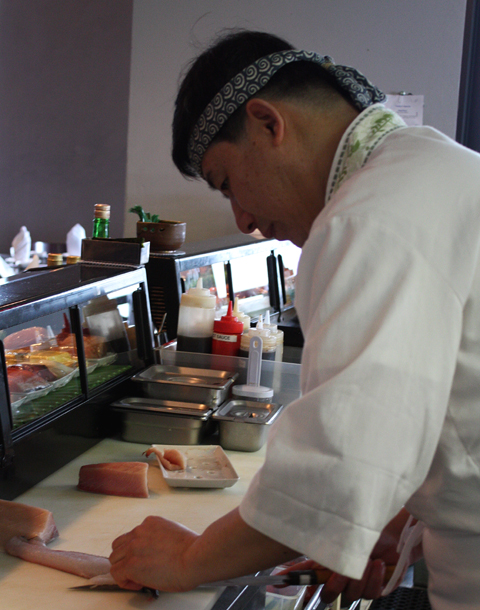
Chon says he tries to follow the Monterey Bay Aquarium’s guidelines for sustainable fish, but he believes it would be nearly impossible to adhere to them strictly. As it is, he says he won’t buy unagi from China because of the use of antibiotics. He only purchases certified yellowtail. And while he does buy toro (the fatty, luscious belly flesh of the bluefin tuna), he tries to buy only farm-raised from Spain or Japan. As pricey as it is — $16 for two slices — the restaurant sells two to 10 orders a night.

Chon, 49,  is an unlikely restaurateur — the eldest son of a Korean mother born in Japan who never learned to cook growing up, and who majored in mechanical engineering at the University of California, Berkeley only because his limited English made it difficult to study other courses besides math and science.
Read more


The Art of Wagashi at Minamoto Kitchoan

Cupcakes, cookies, French macarons.

So yesterday.

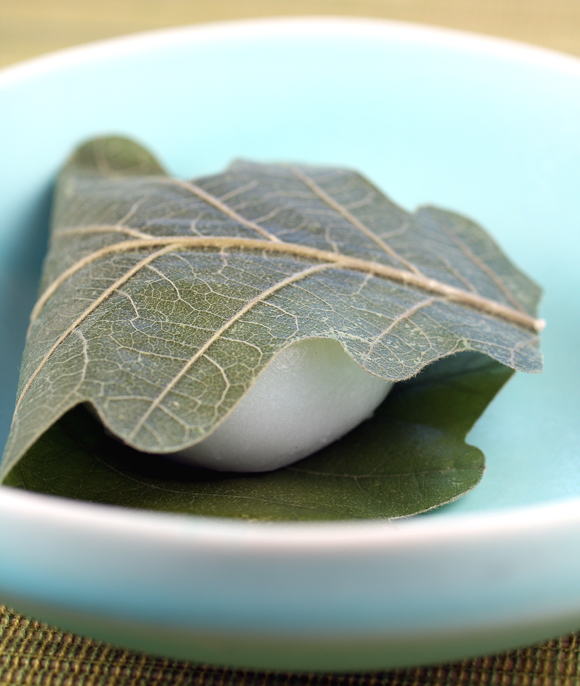
For unique sweet treats that will truly surprise and tantalize, step inside Minamoto Kitchoan, a Japanese confectionery store that has locations in downtown San Francisco and in San Jose’s Mitsuwa Marketplace plaza.

The stores specialize in wagashi, handmade, intricate sweets made with mochi, azuki red bean paste and fruit. Traditionally, they were designed to be served during Japanese tea ceremonies. With their sweet flavor, they are the ideal accompaniment to a cup of hot, fragrant, astringent green tea.

Minamoto Kitchoan receives a shipment every two months from Japan. The wagashi are shipped frozen in a state-of-the-art process that renders them much colder than in any home freezer, yet doesn’t impair their delicacy.

Read more


Tasty Tofu and Tomatoes

One of the advantages of being the youngest in the family was that I was doted on by all manner of aunties, uncles and cousins.

One of the biggest drawbacks, though, was that by the time I was born, all but one of my grand-parents had already passed away.

My mother’s mother was still alive when I was a toddler. But by that time, she was quite advanced in age, bed-ridden, and being cared for by another of her daughters. Worse, my grandmother spoke no English. And I spoke no Cantonese.

I would run into her bedroom to say hello, as best I could. She would respond in Chinese, as she lay in bed. If my Mom or aunt were not present to translate, I would have no idea what she had just said. I’d smile meekly, and just nod, not knowing what else to do.

So, when I hear folks talk nostalgically about the wonderful food their grandmother cooked for them when they were growing up, I get wistful, because I never had that magical experience.

Which is why “The Asian Grandmothers Cookbook (Sasquatch Book) touches my heart so. It was written by my friend, Patricia Tanumihardja, who grew up in Singapore and now lives on the Monterey Peninsula.

Pat interviewed and cooked with Asian grandmothers, mothers and aunts to create this book of 130 recipes for home-style dishes that might otherwise have never been written down and might have faded away from memory.

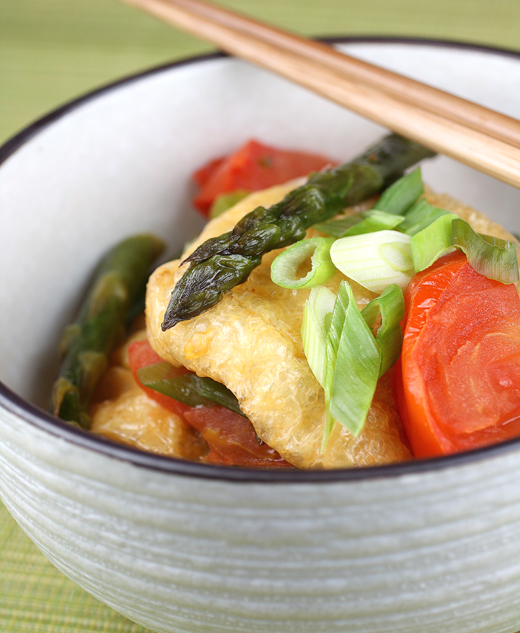
Dishes such as this super simple, “Deep-Fried Tofu Simmered with Tomatoes,” that’s perfect on a harried weeknight.

Read more

Scenes From the 23rd Annual Star Chefs & Vintners Gala

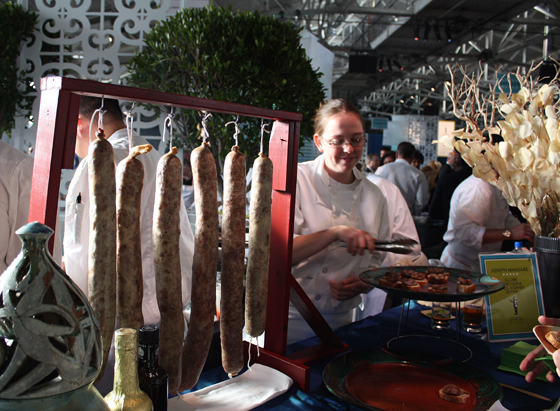
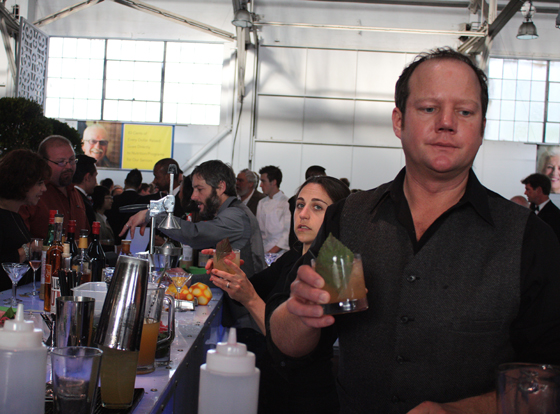
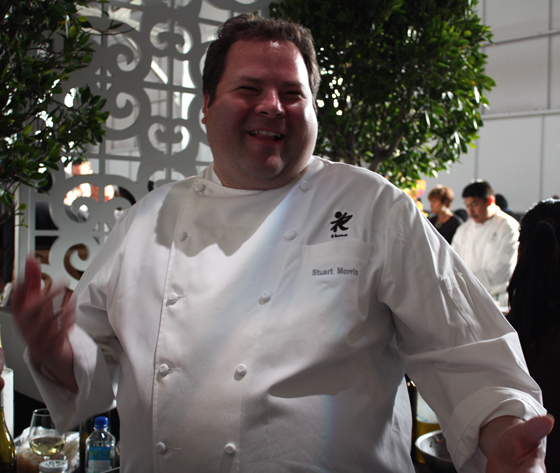
For foodies, it was indeed a starry time on Sunday evening at the lavish Star Chefs & Vintners Gala at Fort Mason in San Francisco.

About 1,000 folks turned out to don their finest and to support Meals on Wheels of San Francisco, the city’s oldest and largest provider of home-delivered meals to seniors.

The Bay Area’s top chefs and vintners provided an impressive spread of eats and drinks for this annual event, which raised $1.1 million last year for this worthy organization that serves 16,000 meals to home-bound seniors every week.

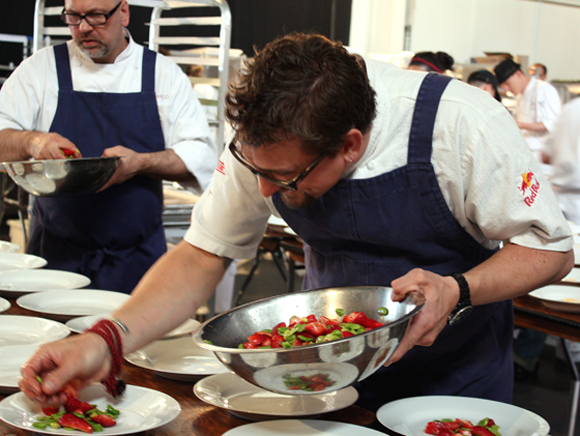
Yours truly was invited to be a guest at the gala, which started off with a bang with an expansive walk-around hors d’oeuvre and wine reception, where chefs and vintners manned stations to pass out tastes of their finest.

It was quite crowded in the Festival Pavillion, but well worth the effort to jockey for position for such stellar eats.

I had a chance to sneak back into the kitchen area to see the chefs scurrying about to get the first courses ready for dinner, as an army of servers lined up in formation at the ready to ferry the dishes to the dining room.

Read more

My Ode to New York Times Food Writer Kim Severson

Before I ever met food writer Kim Severson, I wanted to hate her.

Oh, don’t get me wrong. I’m not normally a hater. Not at all.

But imagine two athletes playing the same position, yet on opposing teams. There’s just a natural rivalry that develops.

That’s what I felt initially for Kim, now a New York Times food journalist, who years ago, was a food writer for the San Francisco Chronicle, when I was the same for the competition, the San Jose Mercury News.

She started her career as a hard news reporter, before switching to food writing. I had done the same. I’d turn up to events, only to find her there, too. I’d finish writing a story, only to find she’d just done a similar one — often far better, too. I’d be nominated for a writing award, only to find out she was up for two of them in the same competition.

That’s why I wanted to hate Kim Severson.

That is, until I actually met her, of course.

Because I ended up liking her immensely from the get-go.

When you compete head-to-head with someone on a pressure-packed field, there’s a tendency to build them up in your mind into something that they’re not. It’s a great motivator that propels you onward to try to beat or surpass them. But then reality sets in, and you realize that what you truly feel for this person is not envy or hatred, but the utmost admiration.

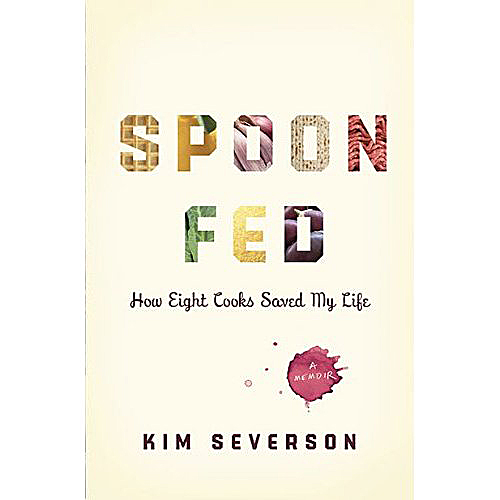
And that’s really what I felt for Kim from the moment I first laid eyes on her byline. The woman can flat-out write. She can turn a phrase like no one else, bringing you to tears one moment, and sending you into convulsions of laughter the next. That’s no more evident than in her new autobiographical book, “Spoon Fed” (Riverhead Books), a brave, revealing look at one of the nation’s most gifted food writers and the iconic female cooks who taught her valuable lessons along the way.

As I turned the pages, it was stunning to realize that Kim, whose talents strike fear in so many other food writers like myself, was herself so full of self-doubt and anxieties about her own abilities. Worse yet, she wrestled with all that while battling alcoholism when living in one of the premier wine capitals of the world — Northern California.

Even if you’ve never been fortunate enough to meet Kim in person, you come away from her book with so much respect for a woman who is ballsy, smart, resilient and generous of spirit.

Read more

« Older Entries Recent Entries »