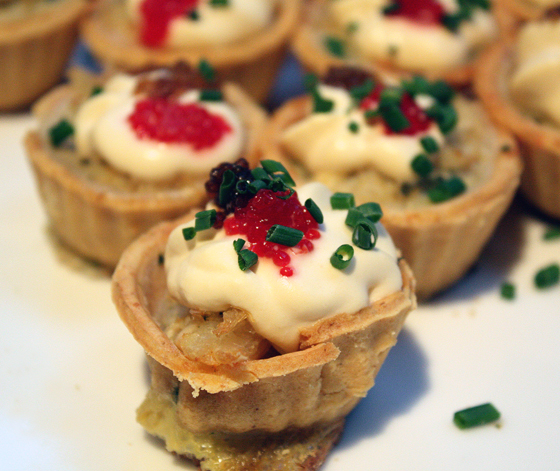
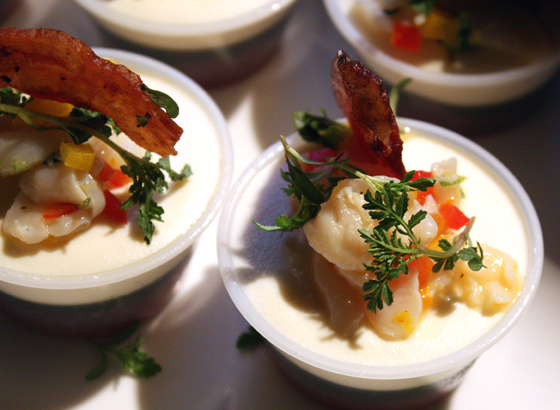
A Taste of Jia — Google’s Chinese Cafe

It’s some of the best tasting Chinese food around, made with organic vegetables, organic soy sauce and sustainable seafood. It’s available in unlimited quantities. And it’s all free.

But you can’t eat it — unless you work at Google’s Mountain View campus or know someone there who will invite you in as their guest.

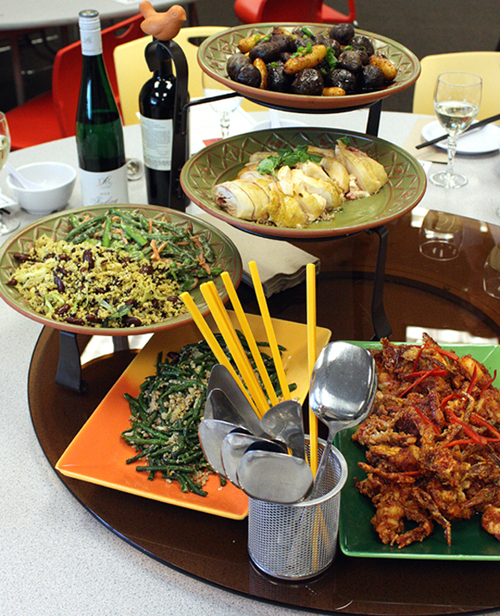
That’s how the Food Gal got into Jia, the authentic Chinese cafe at Google, run by Executive Chef Olivia Wu.

Olivia and I go way back, to the days when she was a food writer at the San Francisco Chronicle and I was one at the San Jose Mercury News.
Two and a half years ago, with the newspaper industry already in dire straits, Olivia chucked her pen and notepad to put on a gleaming white chef’s coat instead at one of Google’s 16 campus cafes.

It wasn’t so far-fetched. After all, she’d already been a caterer and private chef, as well as mom to a son who is a cook at the well-regarded Publican in Chicago.

If you know anything about Olivia, you know she’s a stickler for authenticity and a perfectionist. I knew not to come to Jia, which means “family” and “home,” expecting chow mein and egg rolls.

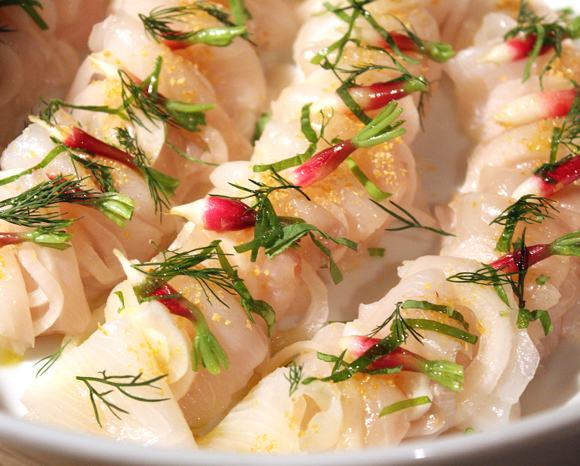
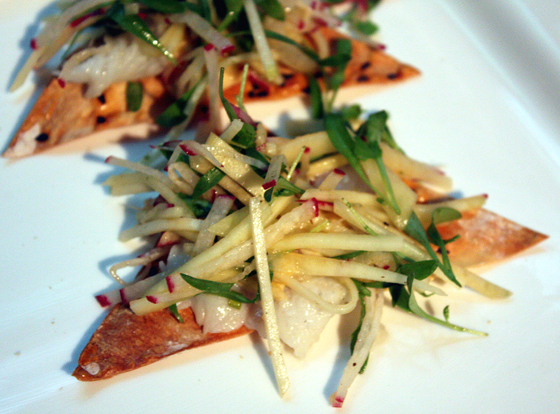
Instead, what you’ll get is not Americanized, oily, gloppy Chinese food, but traditional dishes done up with primo ingredients, including an 11-grain rice blend made to her specification by Koda Farms. Sure, there’s a half dozen standard American dishes and sandwiches available at her cafe, but that’s not why employees trek from other campus buildings to take the time to eat here. It’s for Chinese food served the Chinese way.
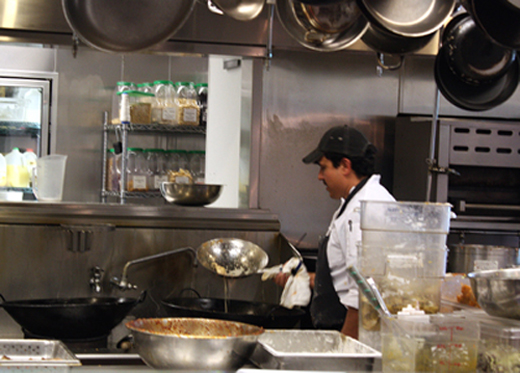
A three-wok station complete with cascading water was installed in the kitchen. The dining room was recently redone with a motif of colorful brush-stroke carps and decorative paper lanterns.  It also was reconfigured with more electrical outlets so that each table can accommodate an induction burner on days when Olivia offers the popular “hot pot” dining, where diners cook their food together in a bubbling pot of broth in the center of the table.

It’s one of her favorite ways to eat because it naturally brings people together to get to know one another better — not always an easy task in a large corporation.
Read more


Stewing About Weather

OK, it’s nearly summer and I’m still making stew.

What gives?

Hey, I wasn’t the one that ordered up last week’s crazy, uncharacteristic rainstorm in the Bay Area. Is it global warming? A freak occurrence that doesn’t mean anything? Or?

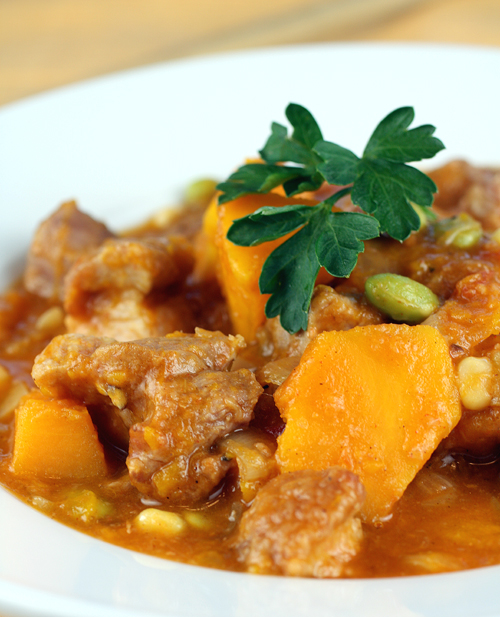
I like to think of it as Mother Nature’s way of telling me there’s still a little time left to enjoy one of my favorite methods of cooking — braising hearty vegetables with a tough, economical cut of meat in  one big ol’ pot on the stove or in the oven until they all turn tender and irresistible.

When I get the hankering for great stew, I often turn to “Braises and Stews” (Chronicle Books) by San Francisco food writer Tori Ritchie. It’s loaded with comforting dishes that are simple to prepare. Best yet, Ritchie’s renditions often take a little less time than other, standard versions found elsewhere.

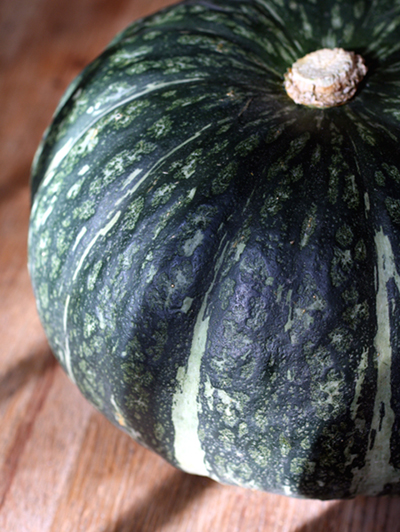
Her “Harvest Pork Stew with Pumpkin” is a fall dish, to be sure. I changed it up to “Pork Stew with Kabocha” because I love the sweet, nutty, starchy Japanese squash enough to eat it practically year-round. You probably do, too, as it’s a standard in restaurant tempura.

By the way, a great tip to make cutting up a hard kabocha a little easier? Microwave the whole squash for a minute or so until the nearly impenetrable exterior softens enough so that you can get a cleaver or tip of a sharp, heavy-duty chef’s knife into it without much trouble.

Read more


Star Chefs in San Francisco, Open House at Sunset in Menlo Park & More

In San Francisco:

Get up close and personal with the Bay Area’s “Rising Star Chefs,” 7:30 p.m. to 10 p.m. June 16, at Ghirardelli Square.

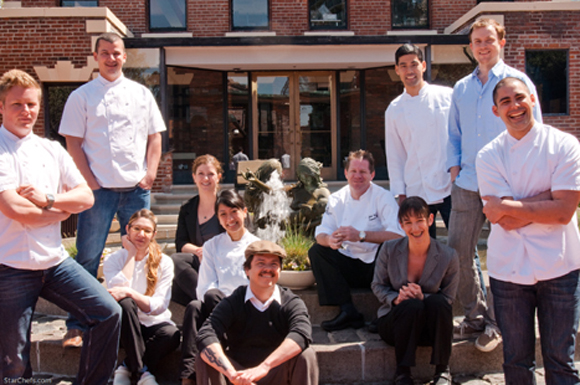
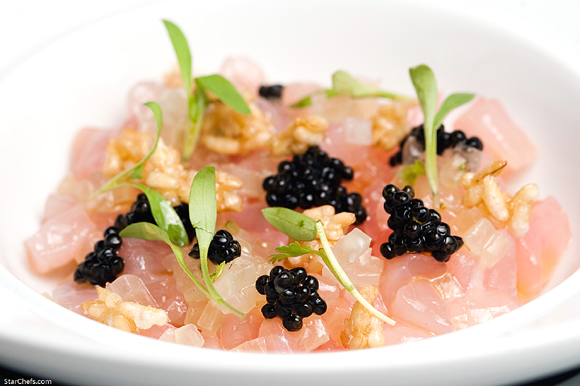
StarChefs.com, the online culinary magazine, will be showcasing its picks for this year’s rising star chefs at this walk-around tasting event, featuring savory dishes, desserts and cocktails created by their top toques.

StarChefs.com chooses only four cities each year in which to pick its rising star chefs. More than 90 Bay Area chefs, sommeliers and mixologists were considered before the list was narrowed to these winners:

Chefs:

Matthew Accarrino, SPQR
John Paul Carmona, Manresa
Maximilian DiMare, Wood Tavern
Louis Maldonado, Aziza
Thomas McNaughton, Flour + Water
Scott Nishiyama, Chez TJ

Pastry Chefs:

Melissa Chou, Aziza
Catherine Schimenti, Michael Mina

Mixologists:

Erick Castro, Rickhouse
Brian MacGregor, Jardinière

Sommelier:

Sarah Valor, Commis

Concept:

Joshua Skenes, Saison

Restaurateur:

Shelley Lindgren, A16 and SPQR

Hotel Chef:

Josh Thomsen,  Claremont Hotel Club & Spa

Tickets are $95 per person. VIP tickets include a pre-reception with champagne and Petrossian caviar. A portion of proceeds will go to La Cocina, a San Francisco organization that assists low-income entrepreneurs in developing food-related businesses.

In Menlo Park:

Sunset magazine welcomes you to its 7-acre campus in Menlo Park, 10 a.m. to 5 p.m., June 5-6, for its annual “Celebration Weekend.’

Join experts to learn all about food, wine, garden, home and design.

Foodies are sure to rejoice that the magazine has invited some of the most popular food trucks to park on-site to sell their delicious fare. Trucks include Sam’s Chowder House, Liba Falafel Truck, Seoul on Wheels, Gelateria CiCi, Kara’s Cupcakes, and Fruit ‘n’ Exotica.

His truck won’t be there, but Roy Choi, the man who started the whole food-truck craze with his Kogi BBQ in Los Angeles, will be on hand to do a cooking demo. Other chefs hosting demos include Ryan Farr of 4505 Meats in San Francisco, Food Network star Ellie Krieger, and Tom Douglas of Seattle’s Dahlia Lounge. For a complete list of chefs, demo schedules and featured recipes, click here.

Read more

My May-December Romance

Don’t start blushing and getting worked up into a state of shock.

This is no confession about any affair with a much younger or older man.

Instead, it’s my declaration of my unabashed May-December relationship with fresh cranberries.

The winter holidays come and go in a flash, and with them, those lovely, jewel-like sweet-tart berries that we gorge on in sauce, chutney, breads, scones and cakes only at that time of year.

But months later, even as the days grew sunnier and warmer, I end up missing them, even longing desperately for them.

So I do what the food editors of Sunset magazine do. Because of their crazy far-in-advance deadlines, they often find themselves having to test cranberry recipes in the summer. So, they got to stashing bags of fresh cranberries in the freezer for months on end. I decided to do the same and haven’t looked back since.

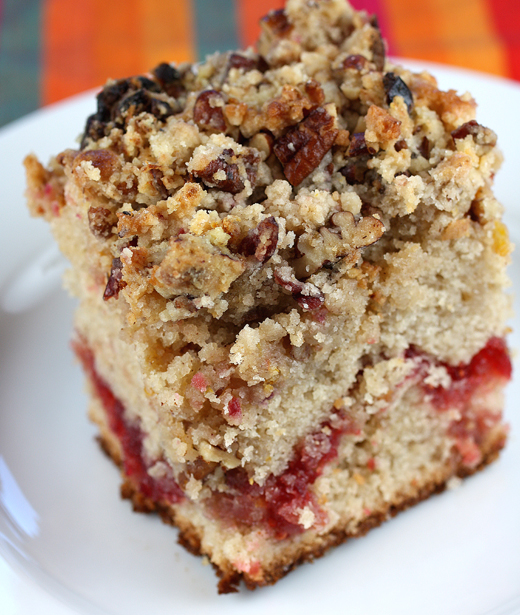
The beauty of this is that my lode of cranberries I put in the freezer in December can be pulled out later in May to enjoy in such treats as this “Cranberry Coffee Cake” from the December 2009 issue of Cuisine at Home magazine.

Read more

When Did Eating Get So Complex?

It’s complicated.

Boy, is it.

When it comes to eating these days, it seems like it’s never been harder to try to do the right thing.

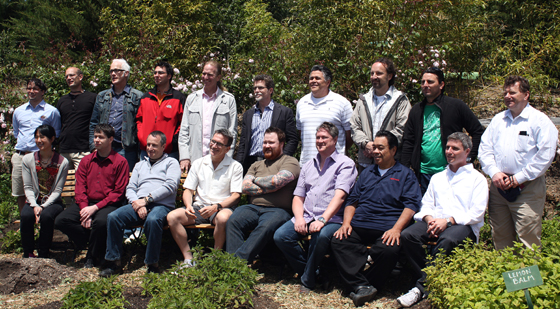
This past weekend at the Monterey Bay Aquarium, a bevy of journalists, scientists, environmentalists, farmers, chefs, and yours truly gathered together for the annual “Cooking For Solutions” event that’s dedicated to promoting sustainability on land, sea and air.

Chef Suzanne Goin of Lucques in Los Angeles was honored as “Chef of the Year” by the aquarium. And Chef Rick Bayless of Chicago’s Topolobampo and Frontera Grill was named “Educator of the Year.”

They were joined at the event by a roster of big-name chefs, including Rick Moonen of RM Seafood in Las Vegas; Kevin Gillespie of Woodfire Grill in Atlanta and “Top Chef” fame; Gerald Hirigoyen of Piperade and Bocadillos, both in San Francisco; Charles Phan of the Slanted Door in San Francisco; and Joanne Chang of Flour Bakery + Cafe in Boston.

The event was a festive affair with gourmet eats and drinks — all sustainable, organic or biodynamic, of course.  But it was also a sobering affair as experts weighed in on how our eating choices have affected the planet.

Food for thought:

Over the past 50 years, we’ve gone from consuming 10 kilos of fish per person annually to 17 kilos.

Half of our seafood consumption now comes from aquaculture, not wild species. Eighty percent of the fresh and frozen salmon consumed in the United States is farmed. Seventy-five percent of the shrimp consumed in the United States is farmed. A great majority of our farmed seafood is produced in Asia, where standards may be less stringent than in other parts of the world.

Most farmed fish are fed pellets made of fish meal. Although carp and tilapia can subsist on plant-based diets, about 50 percent of carp that’s farmed and more than 80 percent of tilapia that’s farmed end up being fed fish meal.

Fish farms in the ocean can lead to pollution, disease and escapement of these fish into the wild. But experts say that even on-land, enclosed fish farms have escapement issues with tiny fish making their way into drains.

Read more

« Older Entries Recent Entries »