
Miracles Do Happen

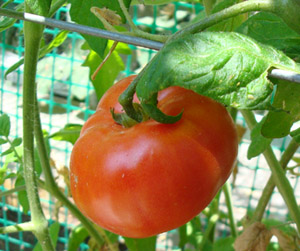
My home-grown tomato

My husband calls me “Black Thumb Jung.”

OK, so maybe I’m not the world’s greatest gardener. I should get an “A” for effort, though. For as long as I can remember, I’ve always loved planting things, nurturing things, and watching things grow. Only, I’m not always the best at it. Try as I might, I have been known to kill things that are supposed to be indestructible. That includes cactus and ivy. Go figure.

That’s why the beautiful red tomato you see above is a true miracle. You see, this tomato plant isn’t still supposed to be alive. But somehow it is. I planted this Carmello tomato plant in the spring of 2007, along with two other different tomato seedlings. And they all grew. And they all gave me luscious and delicious tomatoes all summer long.

When fall hit, they stopped producing, as normal. When winter hit, they started to shrivel and droop. And when the rains came, I began to totally ignore them, figuring come next spring, I’d just dig them up and replant new seedlings like I always do.

It wasn’t until mid-January that I noticed it. While the other two tomato plants were goners, this one plant was still green. Not only that, there were actually about half a dozen tiny tomatoes growing out of the blossoms. I couldn’t believe my eyes. Plants I carefully tend and worry over pay me back by dying on me. But this Carmello, which I had not watered, had not fertilized, and had not given the time of day to for months, was thriving.

This tomato is just about ready for picking. I intend to enjoy it simply: Just sliced with a drizzle of good extra virgin olive oil, and a tiny sprinkle of sea salt.

And when I’m done savoring it, I’ll raise a thumb in triumph — one that’s, thankfully, not exactly ebony anymore.
Time to Dine About Town

Enjoy a second helping of “Dine About Town,” now through June 15. The promotion, presented by the San Francisco Convention and Visitors Bureau, features a roster of participating restaurants that are offering special three-course prix fixe lunches for $21.95 and dinners for $31.95

Among the San Francisco restaurants in the program are: A16, Ana Mandara, Colibri Mexican Bistro, Le Colonial, One Market Restaurant, Poleng Lounge, and Yoshi’s. For a complete list of restaurants and to make reservations, click here.

To kick off the promotion, The Cellar at Macy’s Union Square will host a party, 6 p.m. to 8 p.m. June 4.  With a $10 donation to Meals on Wheels, guests will enjoy tastes from select Dine About Town restaurants, including Cortez, Jack Falstaff, and PlumpJack Cafe. Scott Sasaki, executive chef of Garibaldis, will be doing a cooking demonstration.

Tickets to the Macy’s event can be reserved in advance by clicking here.


Your Chance To Try the Most Delicious Fruit Ever

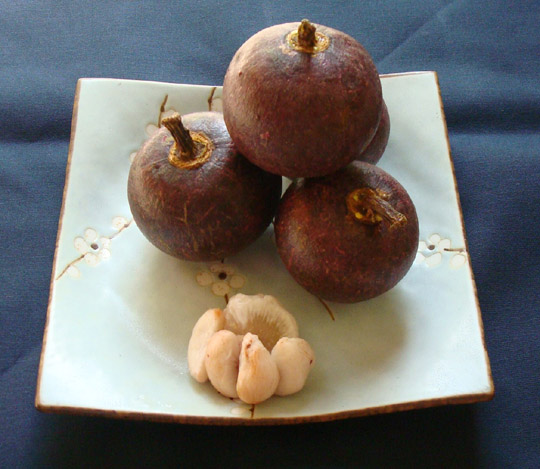
Mangosteens in the shell (back) and peeled (foreground)

That’s what mangosteen has been called. Until this year, the only way to try the fresh tropical fruit was to travel to Southeast Asia, where it originated; or to get your hands on others grown in Hawaii or Puerto Rico.

The U.S. Department of Agriculture once banned the importation of mangosteens and other fruits from Thailand because of the concern that they might harbor fruit flies that could infect citrus trees in the United States. Thailand, though, agreed to irradiate its shipments (a method that kills pests with radiation). The first shipments now have arrived in the United States, just at the peak harvest season of the fruit.

You’ll pay a dear price for them, too. At 99 Ranch markets, the tangerine- to orange-sized fruit with a dark purple exterior are $8.99 a pound. And finding them is not always easy, either. At 99 Ranch in Cupertino last week, I came up empty-handed. But my trip to the 99 Ranch on Hostetter Road in San Jose a few days later netted me the goods.

So are they really the most amazing fruit you’ll ever taste? I was dubious. I had tried frozen mangosteens in the shell from an Asian market, and wasn’t impressed. I also had tried a mangosteen juice beverage that was just ghastly.

Read more

Cookbook Donations Wanted

The Southern Food & Beverage Museum, which lost more than half its cookbook collection to the floodwaters of Hurricane Katrina, is asking folks for a hand to help rebuild.

The museum is hoping to remake itself from this tragedy into the largest repository of books, booklets, manuscripts, and documents about Southern food and drink. It is seeking not only culinary books about the American South, but also periodicals from other areas that have influenced Southern foodways. Books in all conditions are happily accepted.

Send your tax-deductible donations to:

Southern Food & Beverage Museum
Attn. Liz Williams
1 Poydras Street, #169
New Orleans, Louisiana 70130

Please include your name and address with your donation, because the museum would like to thank you for your efforts. For more information about the project, click here.

Take Five With Parcel 104’s Robert Sapirman

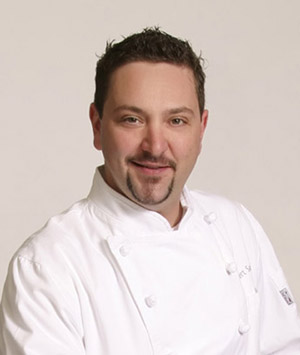
Robert Sapirman, executive chef of Parcel 104

Imagine cooking without such staples as sugar, chocolate, vanilla beans, cinnamon, coffee, and even pepper. That’s the challenge that Executive Chef Robert Sapirman and his crew at Parcel 104 restaurant in Santa Clara are taking on with the second annual “104-Mile Dinner” on June 7.

 That night, every ingredient used must come from no more than 104 miles from the restaurant (measured from point to point in a straight line). Climate Clean of Portland, Ore. will be working with the restaurant to mitigate and offset the greenhouse gas emissions generated from this $125-per-person dinner.

The seven-course dinner includes Point Reyes oysters, local petrale sole, and pork belly from pigs raised in the Yosemite area. Also on the menu are Cornish game hens that were slaughtered, then air-chilled, as opposed to the conventional method of water chilling. Proponents of this method favor it because they consider it more sanitary (studies so far, though, are inconclusive). In air-chilling, the poultry also absorbs less water, making for a crisper skin when cooked and more intense flavor.

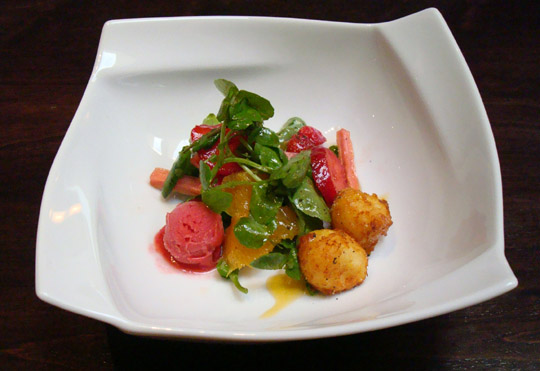
Watercress and beignet dessert by Pastry Chef Carlos Sanchez

Parcel 104’s pastry chef, Carlos Sanchez, will be ending the night with a refreshing dessert of Sausalito Springs watercress topped with strawberry sorbet made with honey, fresh strawberries the staff will pick the day before in Sonoma, and tiny beignets of Bellwether Farms Carmody cheese.

The menu is subject to change, of course, since it’s all based on what’s available locally at the time.

I sat down with Sapirman to find out the most difficult aspects of creating such a dinner.

Q: You came on board as chef last year just as the restaurant was about to do the 104-mile dinner for the first time. I think I detected just a tiny glint of fear and panic in your eyes then. How is it different this time around?

A: Last year, it was all about what could we get our hands on. It was a real race to find things. This year, we have more time, and we’re able to reach out to see that’s really out there.  Last year at the last minute, we were able to find wheat flour in Sonoma, so we were able to make crackers for the beet salad. This year, we’ve already discovered that Full Belly Farm (an hour northwest of Sacramento) — which is right on the edge of our 104-mile limit, and believe me, I measured it — produces flour and wheat berries.

Q: Last year, you guys were in a tizzy because you thought you wouldn’t be able to use salt. But at the last second, you found a source?

A: Yes, we get salt from underneath the Dumbarton Bridge. There are salt flats there. And a producer makes this very coarse pretzel salt from there that we have to grind ourselves until it’s finer.

Q: So there will be salt, but no peppercorns?

Read more

« Older Entries Recent Entries »