A Visit to N/Soto in Los Angeles
Think of Michelin-starred N/Naka as the older sister in a little black dress and diamonds with a chic persona, while N/Soto is the younger, more carefree sister in t-shirt and jeans — albeit perfectly tailor-made ones.
Both celebrated Los Angeles restaurants are owned and operated by married chefs, Niki Nakayama and Carole Iida-Nakayama. This spring, they celebrated both the 15th anniversary of N/Naka, their high-end, Japanese-meets-Californian kaiseki, and the 4th anniversary of N/Soto, their izakaya.
While “naka” in Japanese means “inside” and is a play on Nakayama’s surname, “soto” means “outside” and references the pandemic when for a time restaurants were forced to shutter, closed off from the outside world.
In fact, N/Soto originated during the pandemic as a pop-up offering to-go bentos. It proved so successful that Nakayama and Iida-Nakayama decided to go all in on a second, more casual restaurant.
Dinner at N/Naka is a 3-hour+ affair that will set you back $395 per person — that is if you can snag one of the hard-to-get reservations. In contrast, while N/Soto does offer a weekday $95 tasting menu, its main menu is strictly a la carte, meaning you can spend as little or as much as your appetite desires.
I’ve had the pleasure of dining at N/Naka twice, including earlier this month, and it remains an exquisite experience. On this particular trip to Los Angeles, I was fortunate enough to be invited in as a guest of N/Soto to try it in comparison.
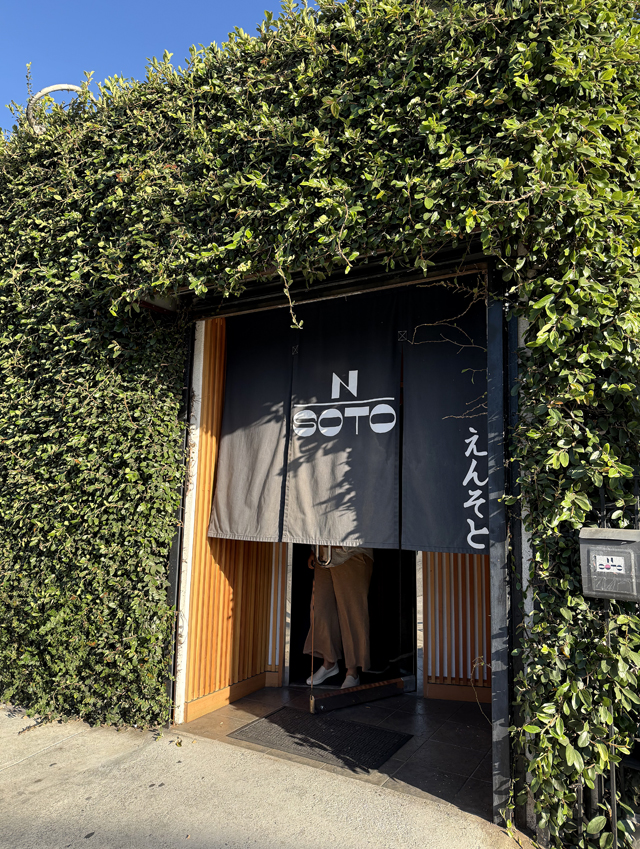
The front of the restaurant is blanketed in a wall of ivy, with its noren or Japanese fabric divider providing the clue to where the entrance is located.
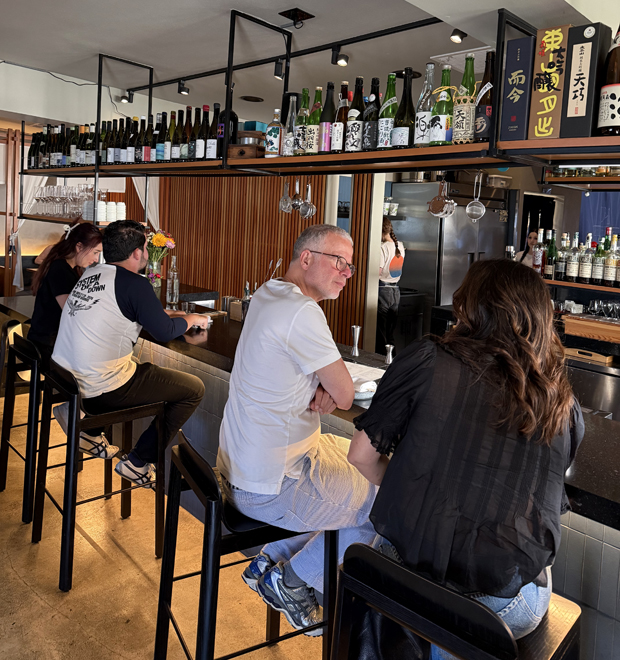
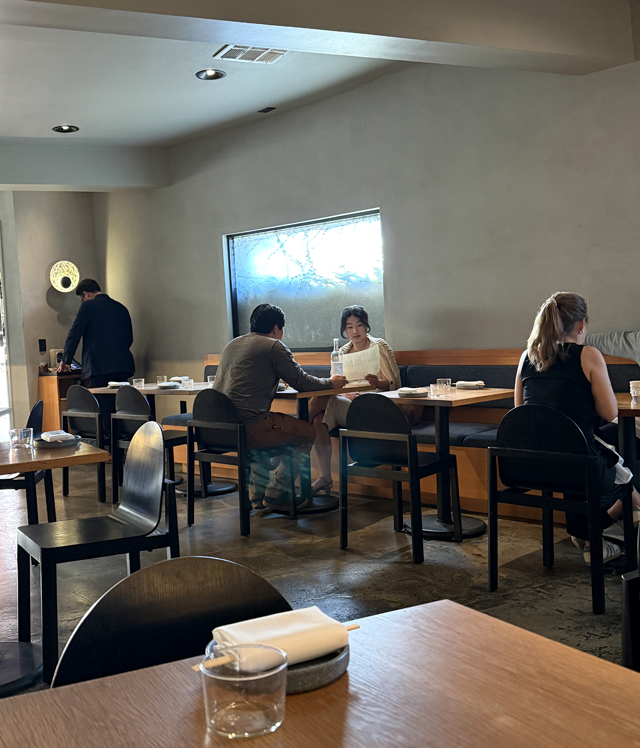
Step inside to find a serene, minimalist space done up in cool gray and warm wood. There’s a bar, small main dining room, and an outdoor dining patio.
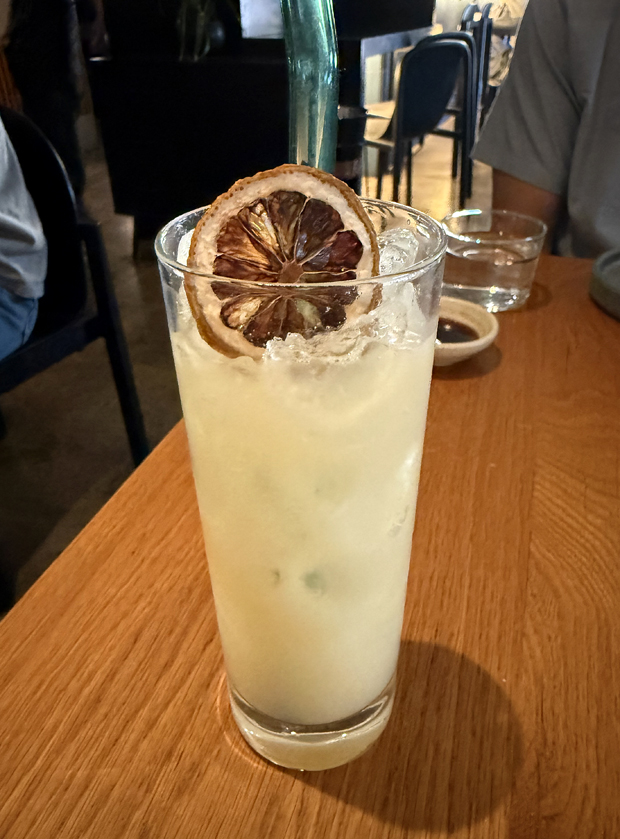
On a sticky Southern California evening, I was in the mood for a non-alcoholic sip. The Wild Zero ($10) sure hit the spot with its citrusy, floral yuzu enlivened with the perkiness of hikuwasa, a sour Japanese citrus, whose tang was balanced with a gentle sweetness from amazake or fermented rice drink.
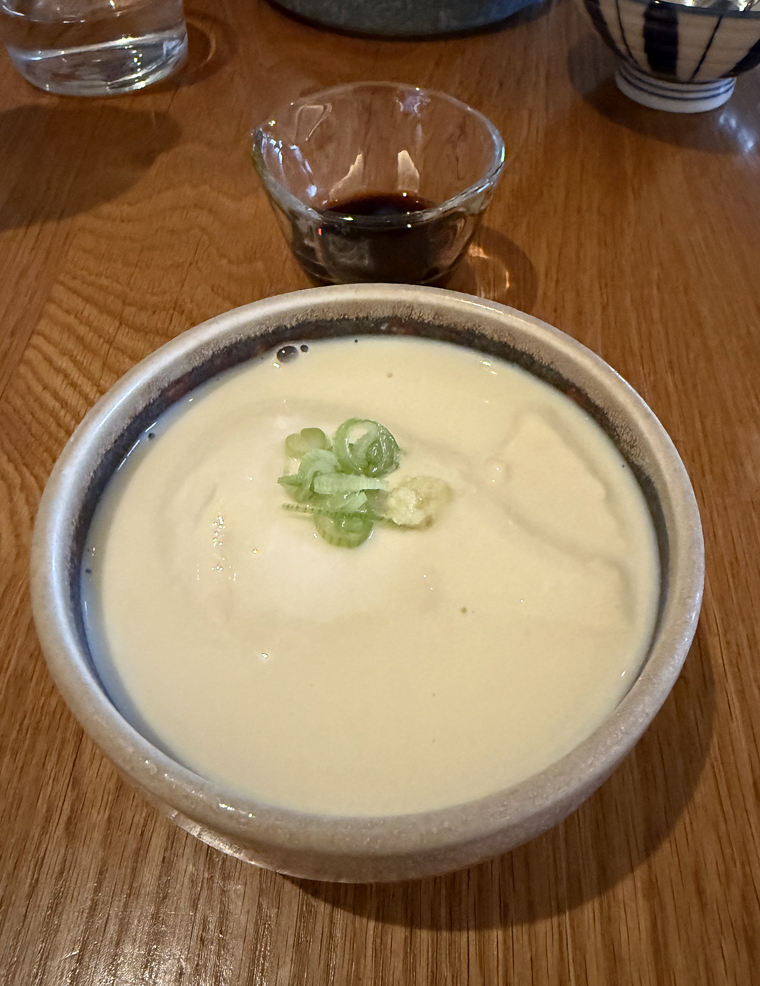
A must-order is the house-made tofu ($9). It may look plain and basic, but it couldn’t be more special. Garnished with green onion and ginger, it has the soft, creamy, quivering texture of chawanmushi (see video). A carafe of soy sauce comes alongside to add as much as you like. Served warm, this tofu is like the ultimate hug in a bowl.
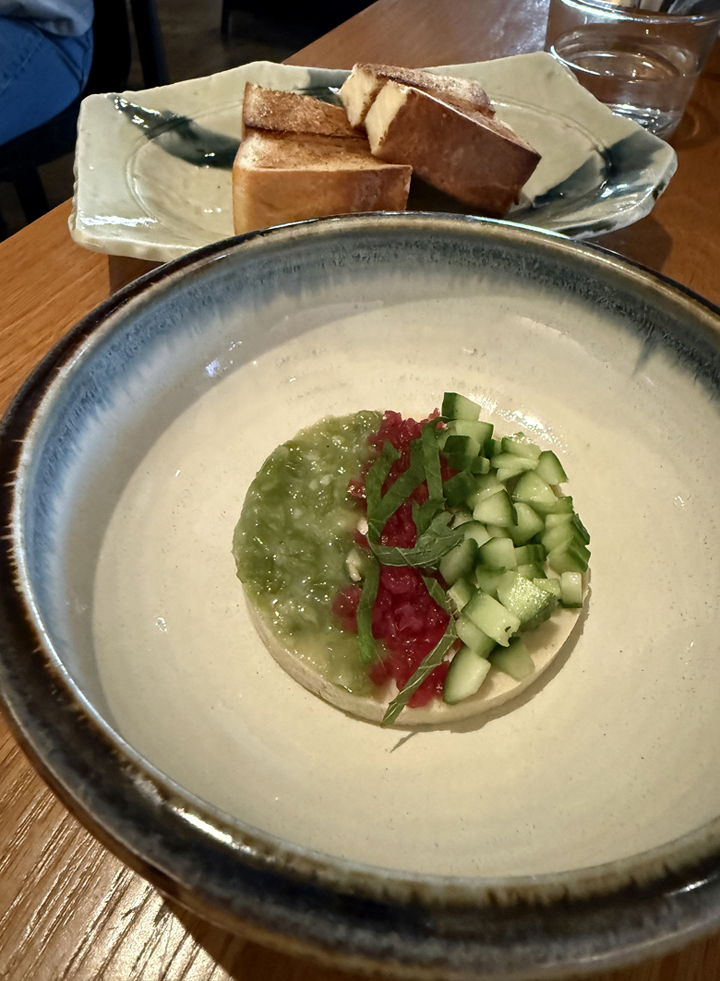
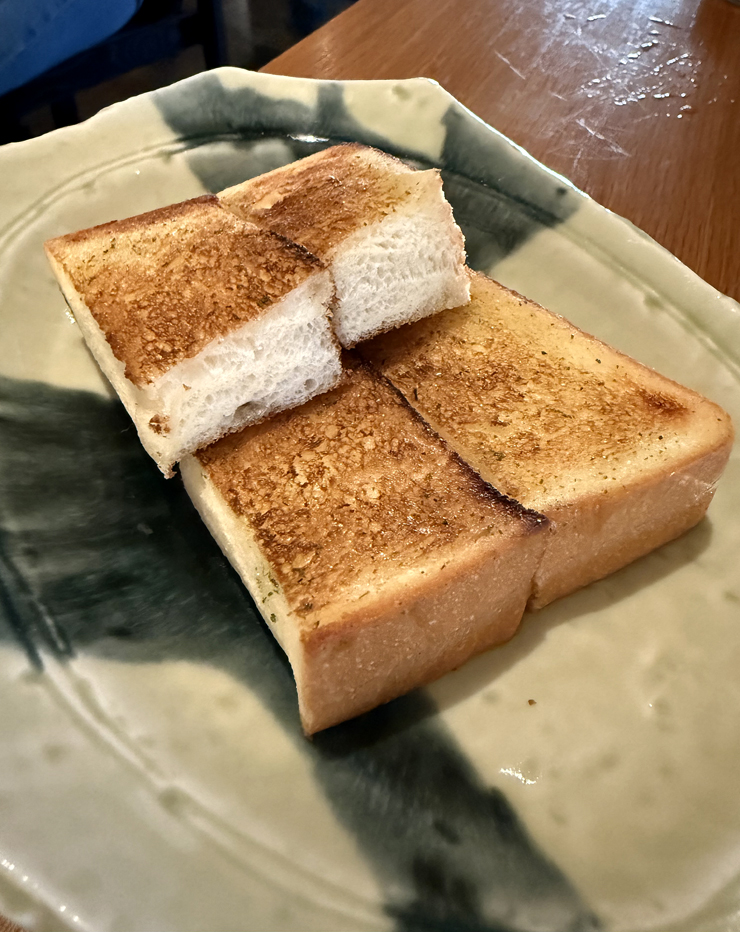
More comfort comes in the form of squishy milk bread slices that have been toasted to enjoy with albacore dip crowned with diced cucumber and pickled red onion ($18). Mix up the dip, then spread on the fluffy bread for a Japanese version of a creamy tuna salad sandwich.
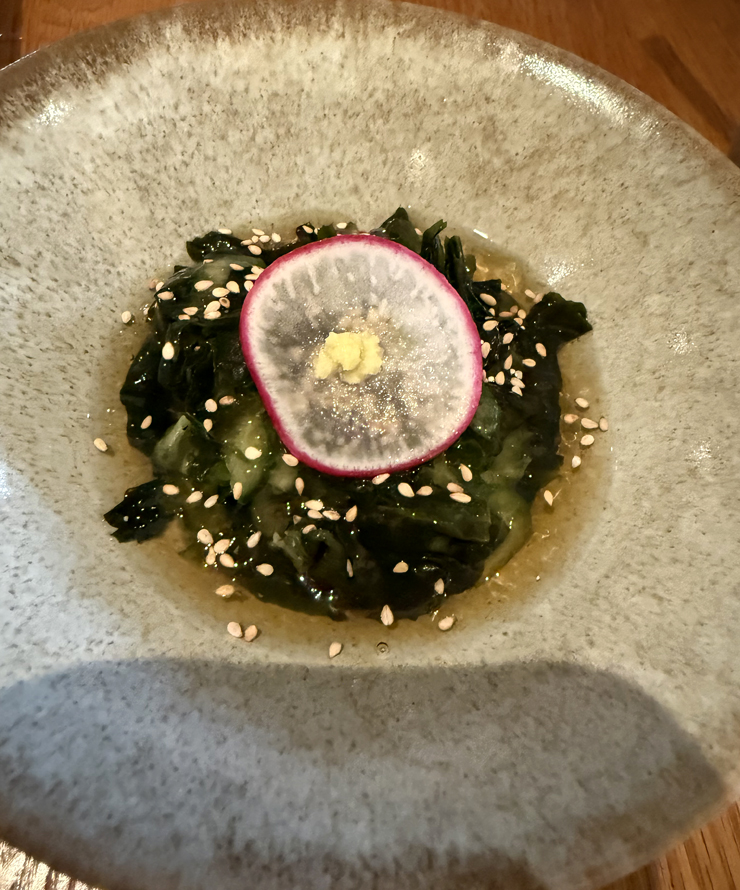
To refresh the palate between bites, cucumber sunomono ($9) does the trick. It’s crunchy and quite tangy with wakame mixed in for even more texture.
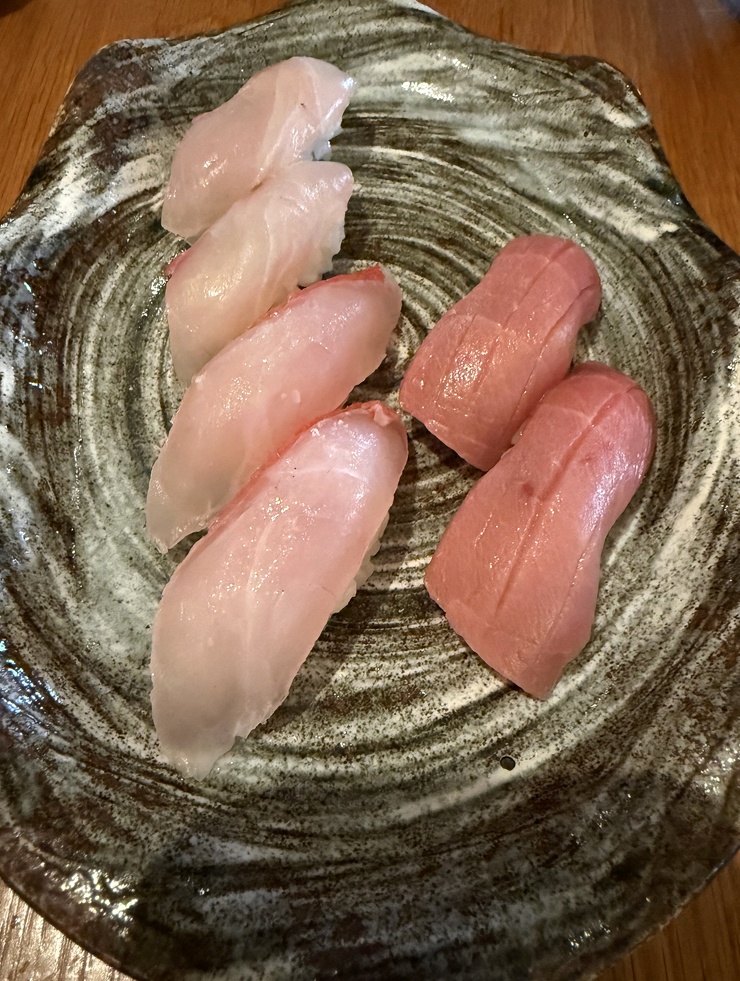
From the nigiri offerings, we chose kanpachi ($12 for two), kinmedai ($14 for two), and chu toro (medium fatty tuna belly; $15 for two). All were fresh, firm and fabulous. But what really stood out was the rice. It wasn’t gummy or too sticky in the least. In fact, the grains were separate yet still cohesive, with each one plump and just firm enough.
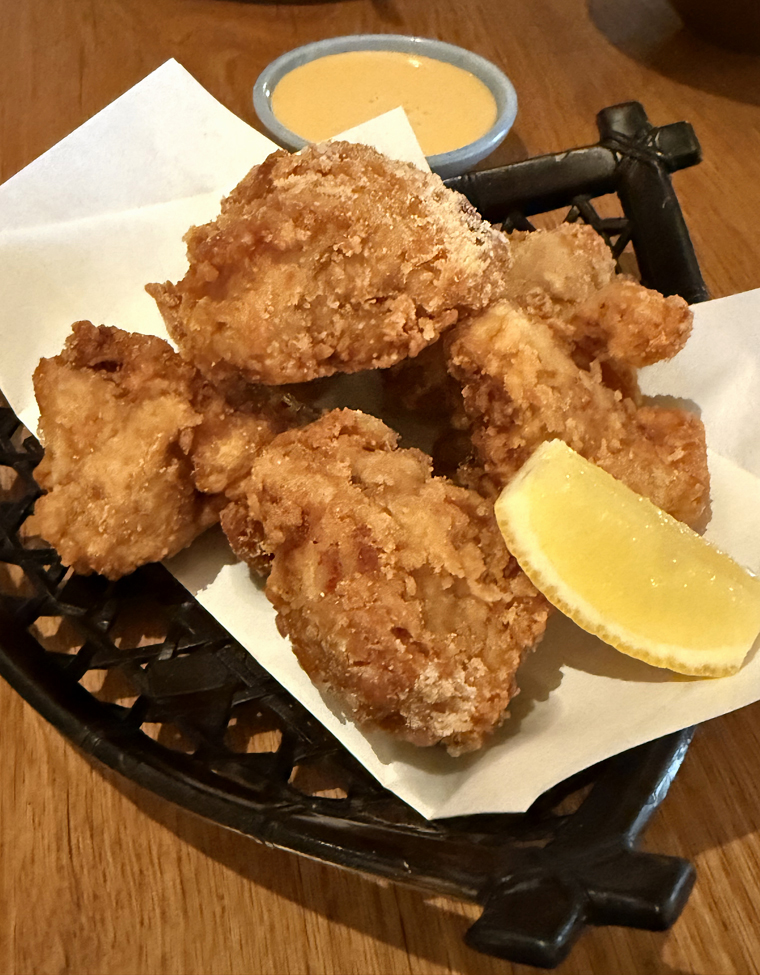
Chicken karaage ($14) may be a requisite dish at izakaya restaurant, but this version is exceptional. It arrives at the table ripping hot, and super crispy with a light, golden panko crust. There’s sriracha mayo to dip into that’s a lot creamy and just a twitch spicy. What really sets this rendition apart is just how incredibly juicy the chicken is.
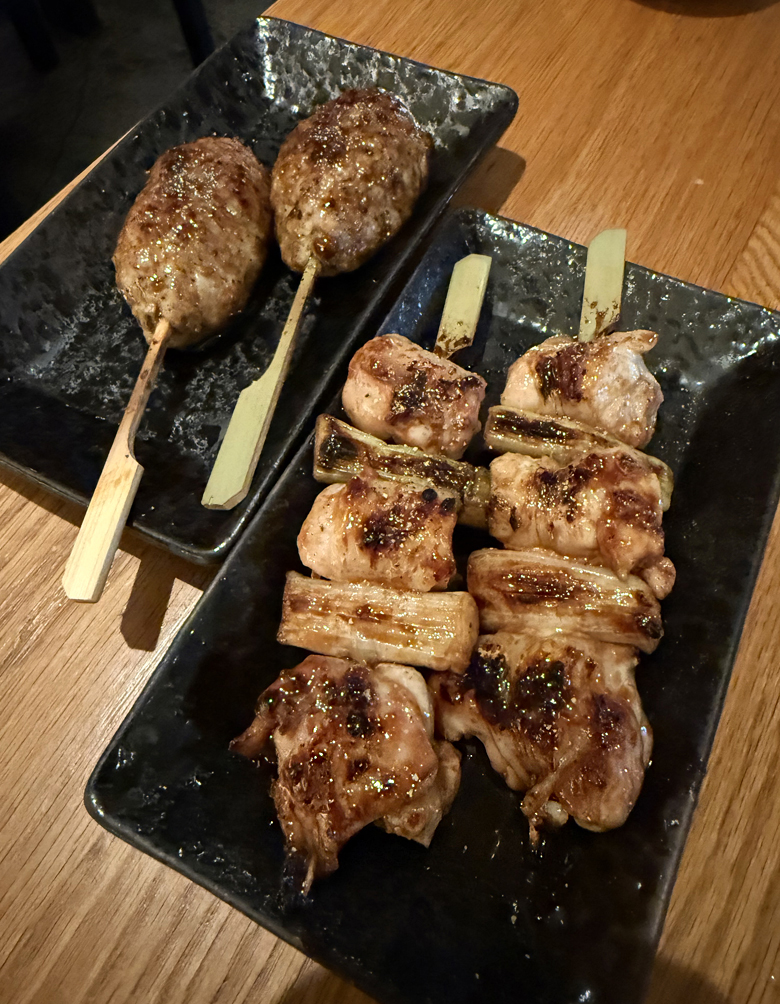
In fact, N/Soto has a way with chicken. Try the tori negi or grilled chicken thighs with Japanese green onion ($8 for one skewer) and the tsukune or chicken meatball ($8 for one skewer), and you’ll know exactly what I mean. Both are exceptionally juicy and wonderfully smoky. The thigh meat gets a hint of sweetness from the caramelized onion. The meatball is so flavorful and imbued with just the right amount of smoke that if it were enlarged, it would make one dynamite chicken burger.
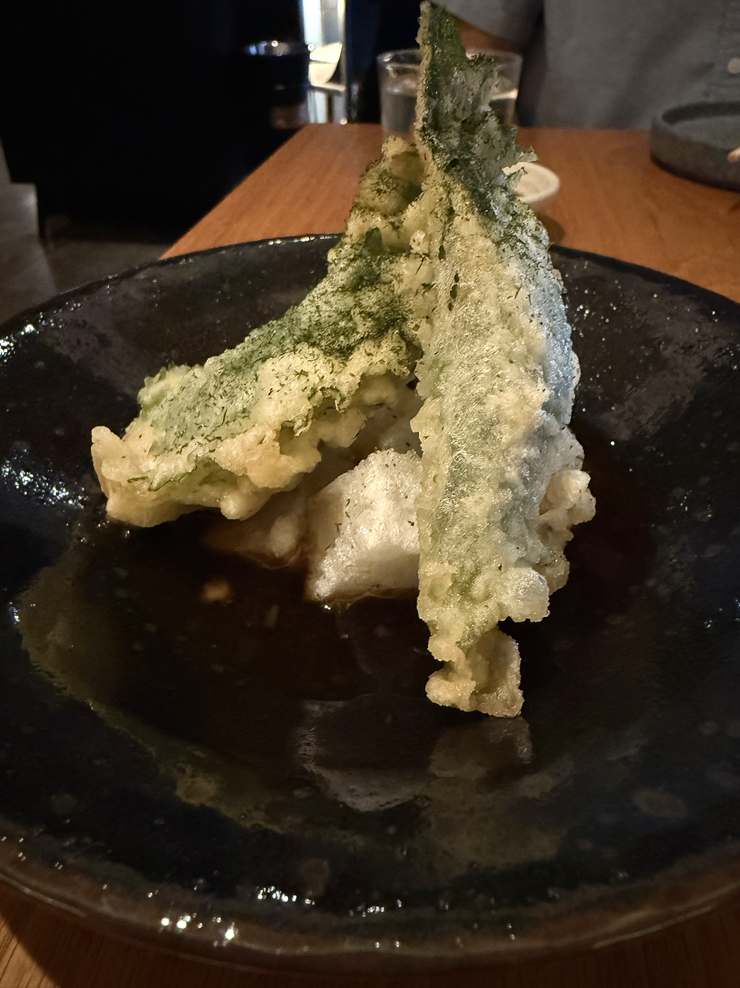
I am a sucker for agedashi tofu, the staple deep-fried tofu served in a pool of dashi. N/Soto reimagines it so that the dashi is the base instead for cubes of mochi and tempura-fried shiso leaves stuffed with a forcemeat of shrimp and wood ear mushrooms ($18). The minty, basil-y taste of the herb adds a vibrancy to the shrimp. The mochi are crisp outside and chewy within. It’s almost if a tire pump had inflated them a little, too. They are not only fun to eat, but pure deliciousness.
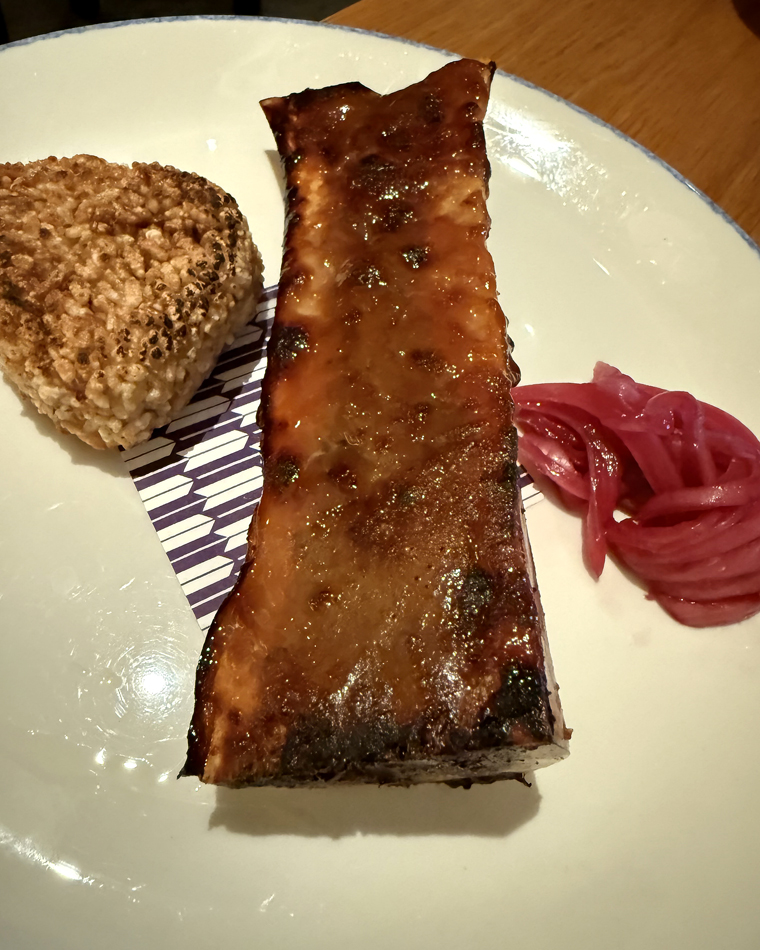
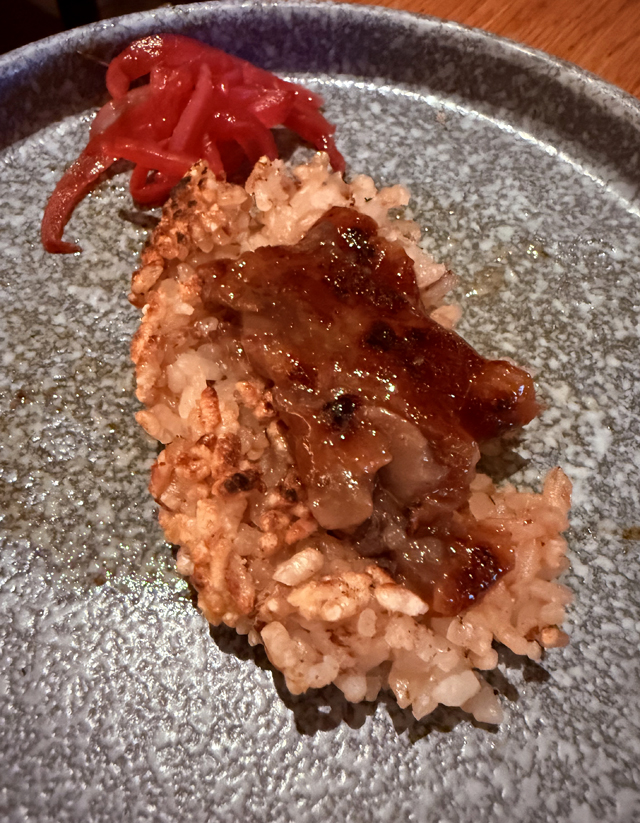
That same creative streak runs through the miso baked bone marrow ($21). If you’ve ever enjoyed Japanese eggplant halves that have been brushed with miso, then broiled until deeply caramelized, this is the same idea, but with a split marrow bone instead. An umeboshi onigiri, seared on both sides until crispy, comes alongside. You’re instructed to mash it down until it’s fairly flat. Dig out the bone marrow with a spoon and spread it over the flattened onigiri. Top with pickled red onion, if you like. This dish is an umami bomb. It is crunchy and unctuous, and rich, savory, salty and smoky.
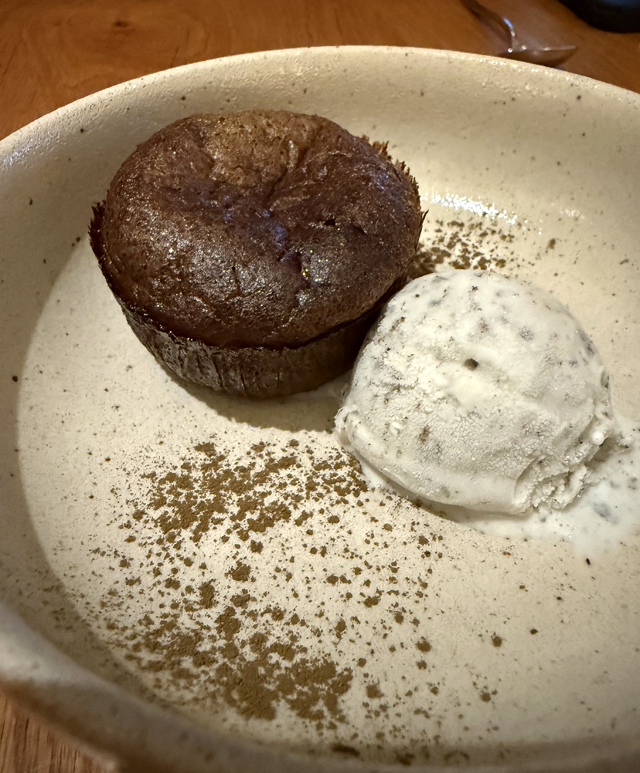
Dessert here offers up much more than the usual scoop of green tea ice cream. Think lava cake, but instead of entirely chocolate, it’s a warm hojicha cake ($12) that spills out dark chocolate ganache when cut. The flavor of the roasted green tea gives this tried-and-true type of cake new life. It’s served with black sesame ice cream, which amplifies the toasty taste of the entire dessert.
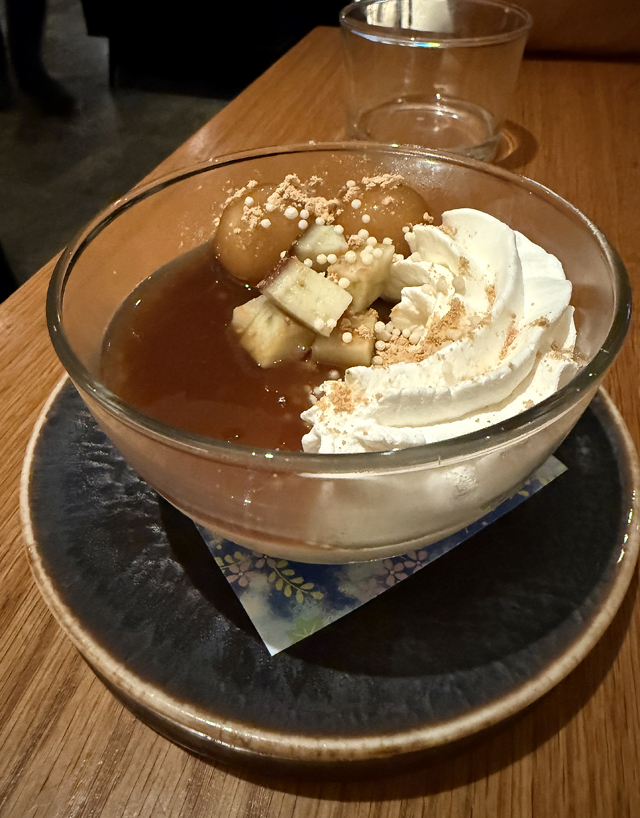
Sweet potato pudding ($10) is deceptive. You think it’s going to be heavy and dense. Yet it actually has a much lighter texture, almost like creme caramel. It’s silky, and topped with tiny cubes of sweet potato, and little chewy balls of mochi. Kukoto syrup or Okinawan black sugar syrup is drizzled over, giving it all a deep caramel taste. The dessert is also dairy-free, as the pudding and the fluffy topping are made of coconut whip.
Can’t make it into N/Naka? Then, head to N/Soto — where you won’t be settling in the least.
More: My First Dinner at N/Naka