
Get to Know Asia Live — Billed As the Asian Counterpart to Eataly
Last month, a massive new Asian venue opened to great fanfare at Westfield Valley Fair in San Jose, replacing what had been another enormous Chinese restaurant that had debuted with equal excitement.
Asia Live, sister restaurant to San Francisco’s China Live, opened its doors last month, replacing the opulent iChina that operated from 2021 to 2024.
A year and a half in the making, the two-story, 15,000-square-foot Asia Live is an ambitious undertaking not merely for its sheer size, but also because it is located in an upscale shopping mall that already boasts a lot of competition in the Asian cuisine category with such popular restaurants as Marugame Udon, Ramen Nagi, Baekjong Korean BBQ, and Northern California’s only outpost of Din Tai Fung.
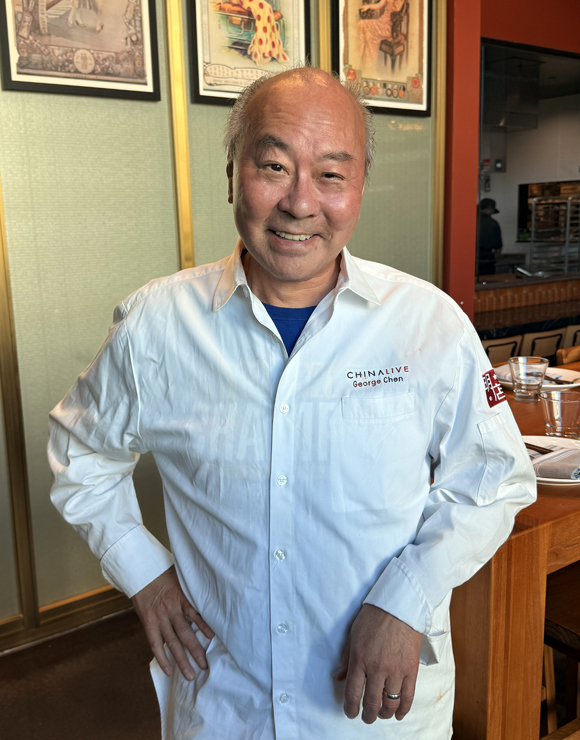
But if anyone is up to the challenge, it’s restaurateurs, owners, and husband and wife, George Chen and Cindy Wong-Chen. This is the 17th restaurant that Chen has opened. And it’s not even his largest. That honor goes to China Live at 30,000 square feet, which just celebrated its 9th anniversary.
Last week, I was invited in as a guest of the restaurant, where Chen was on hand to show me around — and there is a lot to see.
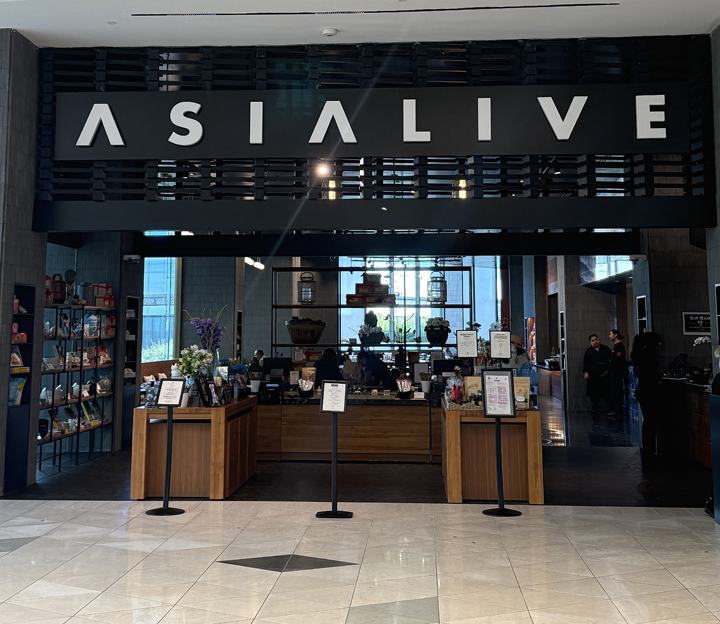
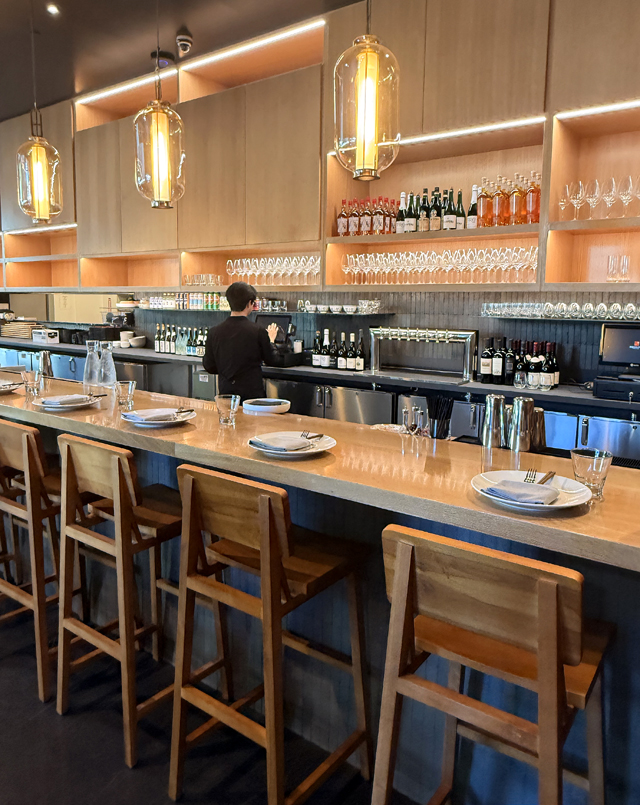
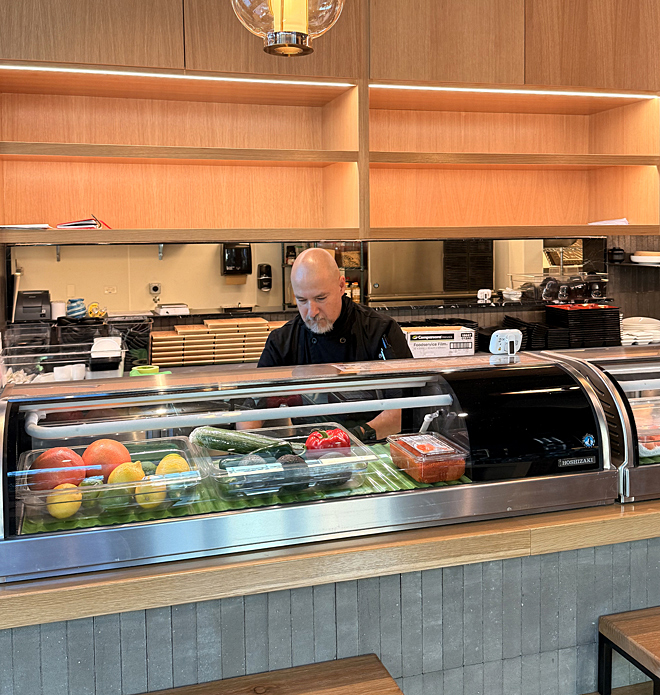
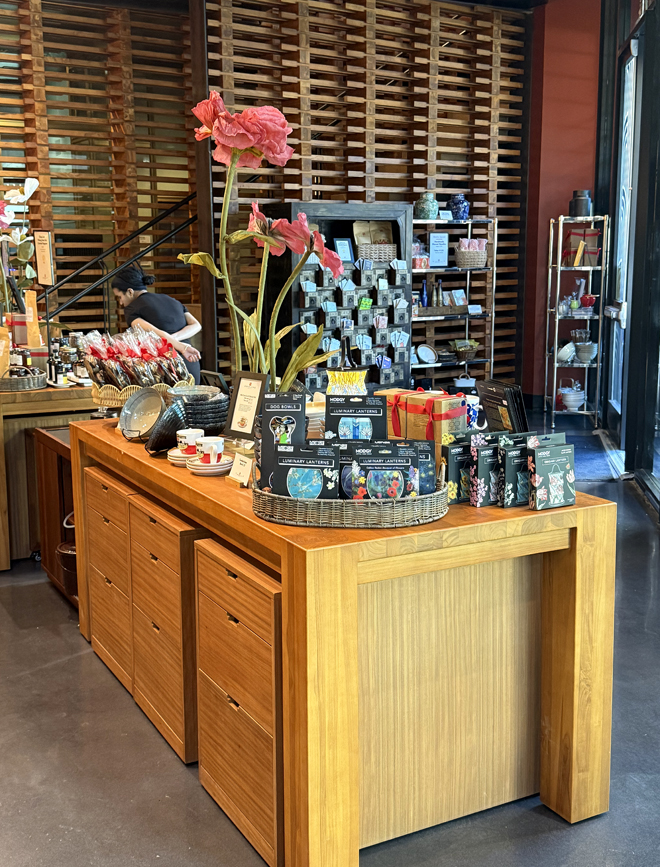
If you enter from outside the mall on the ground level, you will find Asia Live’s more intimate Pergola Bar & Cafe, which features a full bar, as well as a sushi bar. There’s also a retail area stocked with fun items that Wong-Chen has sourced, along with a glass-front wine cellar that holds Chen’s favorite vintages. If you are in the mood for a quieter experience and hankering for sushi and flame-grilled meat skewers, this is the perfect spot for you.
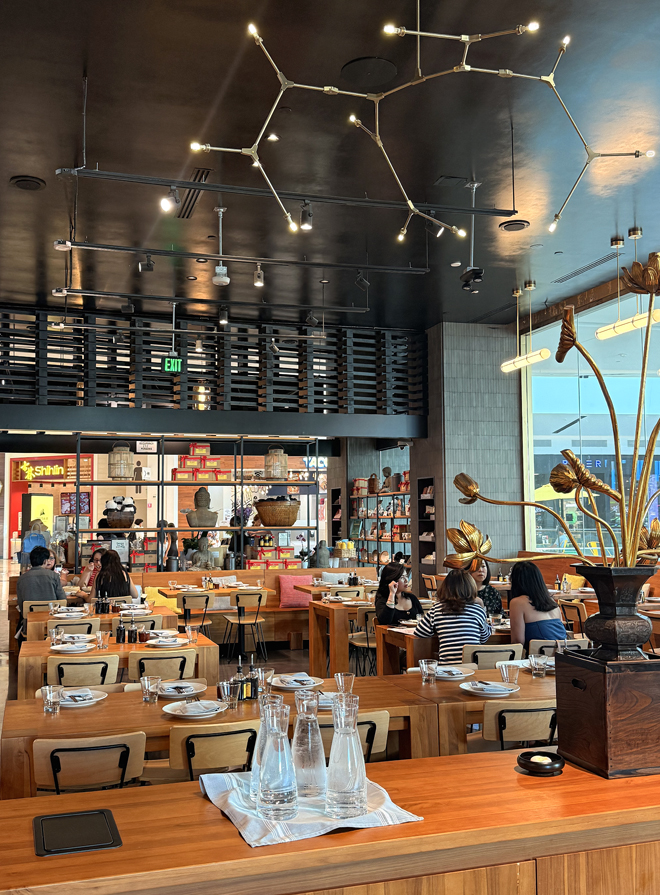
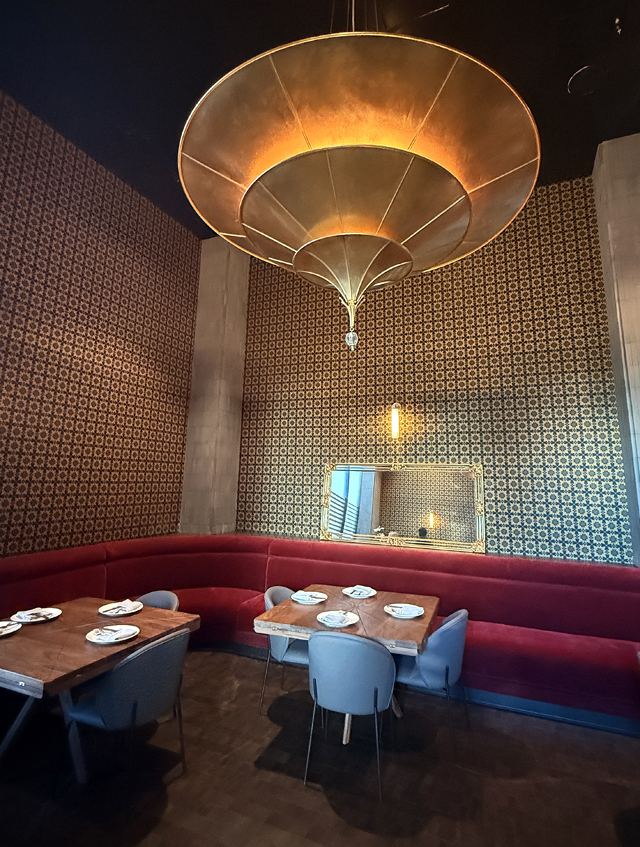
If you’re after the full monty, then you’ll want to head upstairs. Besides a plush private dining room, you’ll find the soaring, main dining room and the expansive restaurant kitchen, where glass-fronts allow diners to see the cooks in action.
At the far end is the mall entrance to the restaurant. That’s where a grab-and-go counter will operate in the days to come, a handy place to pick up Dutch crunch barbecue pork buns, dumplings, and shave ice and soft serve.
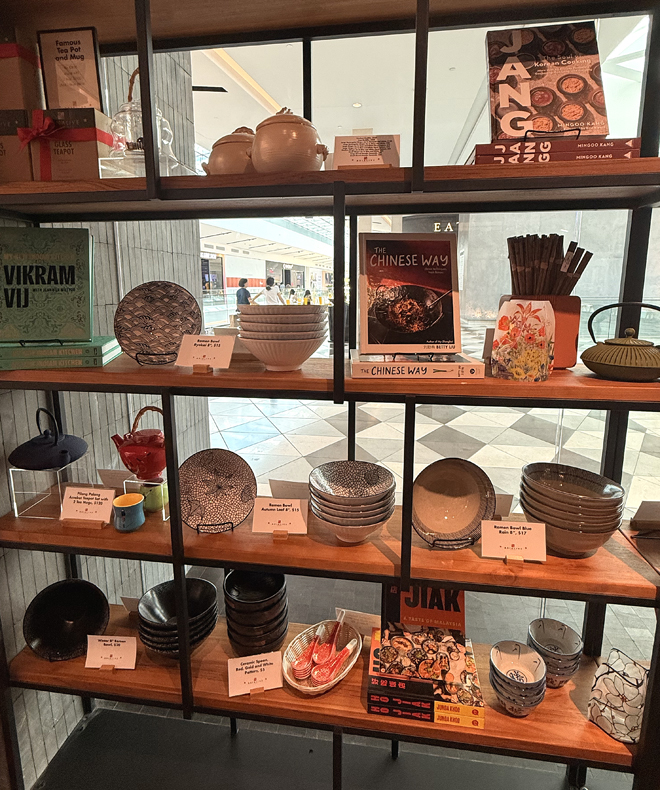
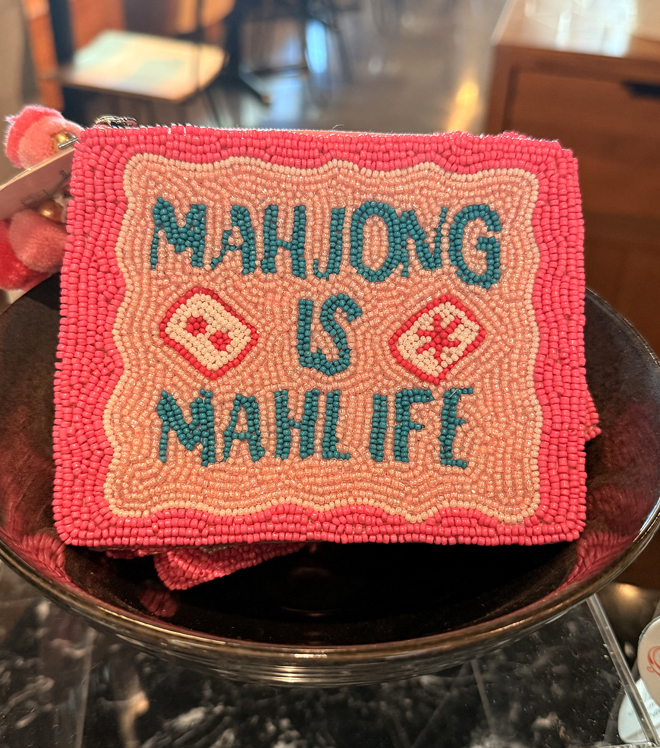
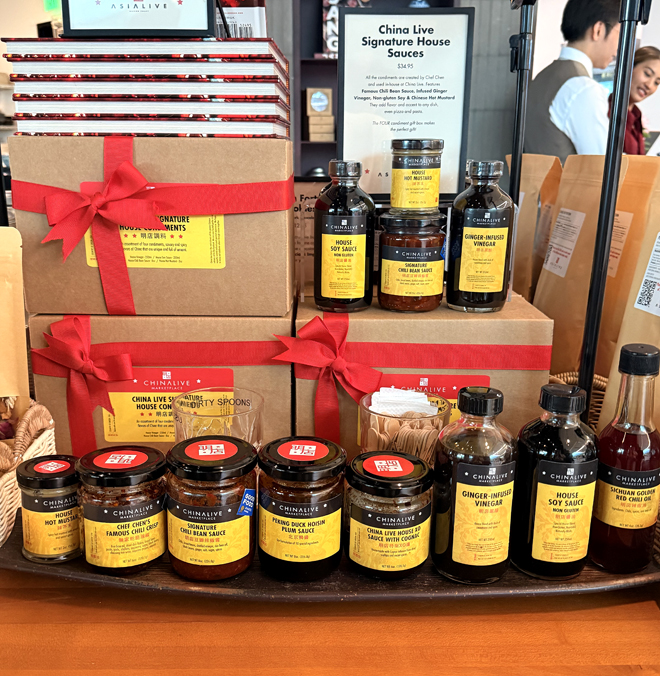
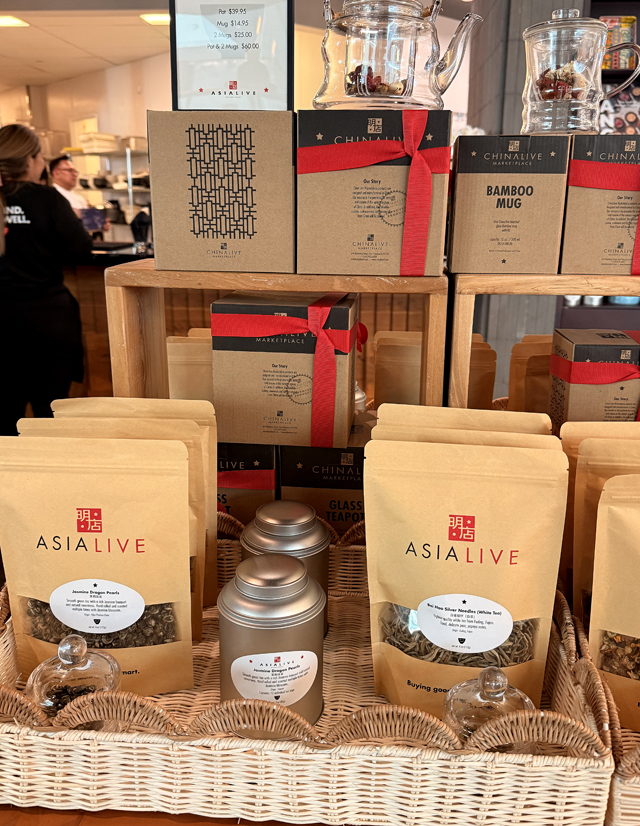
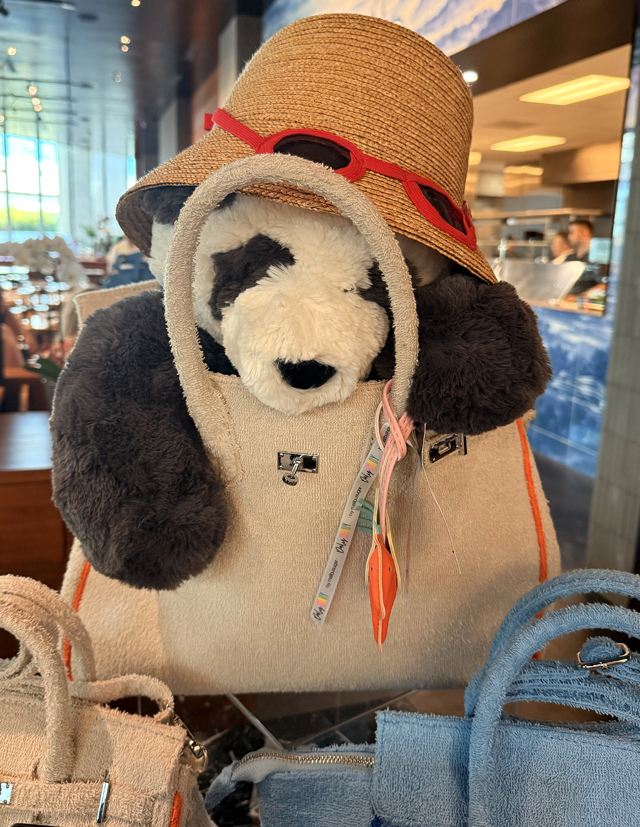
At the entrance is also a retail store selling everything from cookbooks, teapots and ceramics to Asia Live teas, condiments and its ever-popular Peking Duck Fat Popcorn.
As the restaurant’s name implies, the menu doesn’t limit itself to just China for inspiration, but meanders across the continent for Southeast Asian, Indian, Korean, and Japanese influences. Chen will be the first to say, too, that the food is not necessarily wholly authentic, but more modern interpretations.
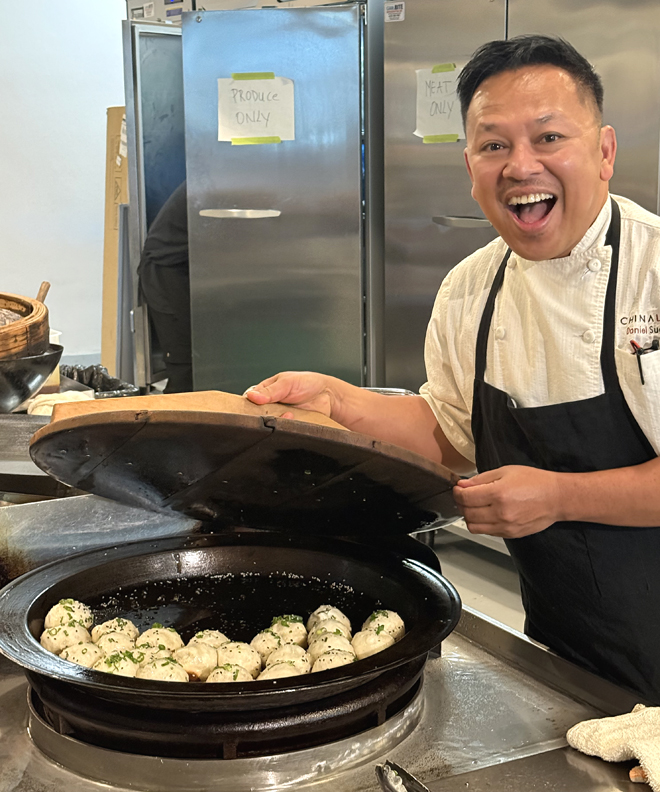
Veteran chef Daniel Sudar (who is also a fashion designer and singer!), who worked at Chen’s Betelnut restaurant in San Francisco, oversees the kitchens at both Asia Live and China Live.
Once you’re seated, you will be brought several menus — plus a pen. Use it to mark down right on the menu what you want to order. Because there are so many items, it can get a little confusing as to what to mark where. For instance, we chose two different fish on the sushi menu. We neglected to specify whether we wanted sashimi or nigiri, but our server brought us nigiri, which actually was what we had intended anyway. Another time, I checked the box for ma po tofu but didn’t realize you probably needed to circle either the words, “with minced pork” or “vegetarian” under its description. I assumed I was getting the pork one, but ended up with the vegetarian one, which was fine in the end because it was quite tasty.
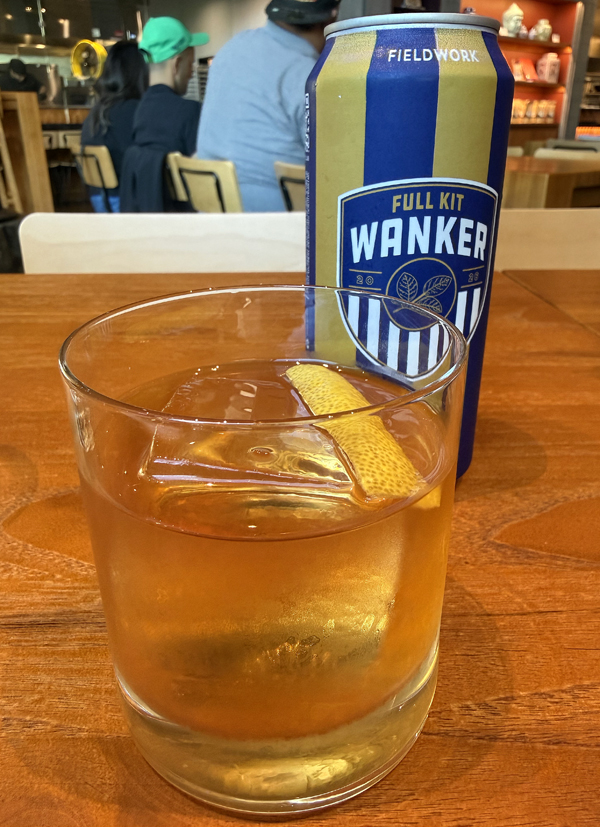
You also order your beverages in this manner, too. Admittedly, I am not usually an Old Fashioned kind of gal — either temperament-wise or in this case, cocktail-wise. But I couldn’t resist the Sometimes Old Fashioned ($20) for the sheer fact that it’s made with not only single malt scotch whisky that’s been duck fat-washed but also bitters made from my favorite candy cap mushrooms with their haunting maple syrup taste. There’s also rye, lemon, and black pepper syrup in the mix. What it all adds up to is an incredibly smooth, almost buttery tasting cocktail that has a lovely caramel-maple quality to it.
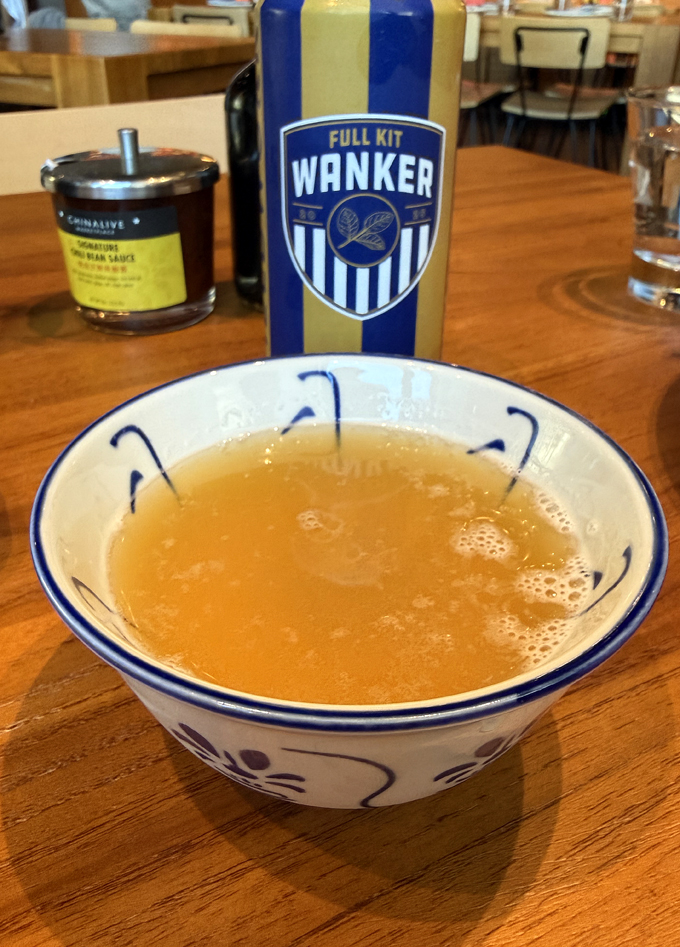
If you order a beer here, as my husband did with Fieldwork Full Kit Wanker IPA in honor of the World Cup finals that week, it will be served in a most unique way — not in a frosty glass or tall stein, but in a porcelain rice bowl (see video). It’s a practice that Chen adapted that dates back to 1950s alley restaurants in Hong Kong. The beer, itself, was smooth, hoppy, and with an almost tea-like note to it.
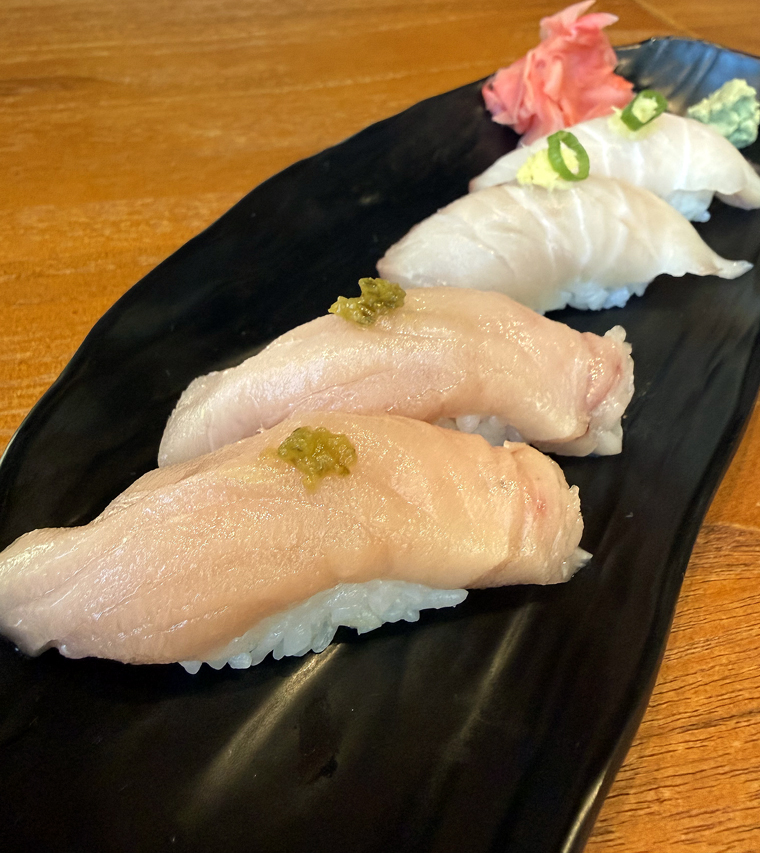
As mentioned, we began with kampachi ($9 for one nigiri) and shiro maguro or albacore ($9 for one nigiri). Both were fresh, and firm yet supple.
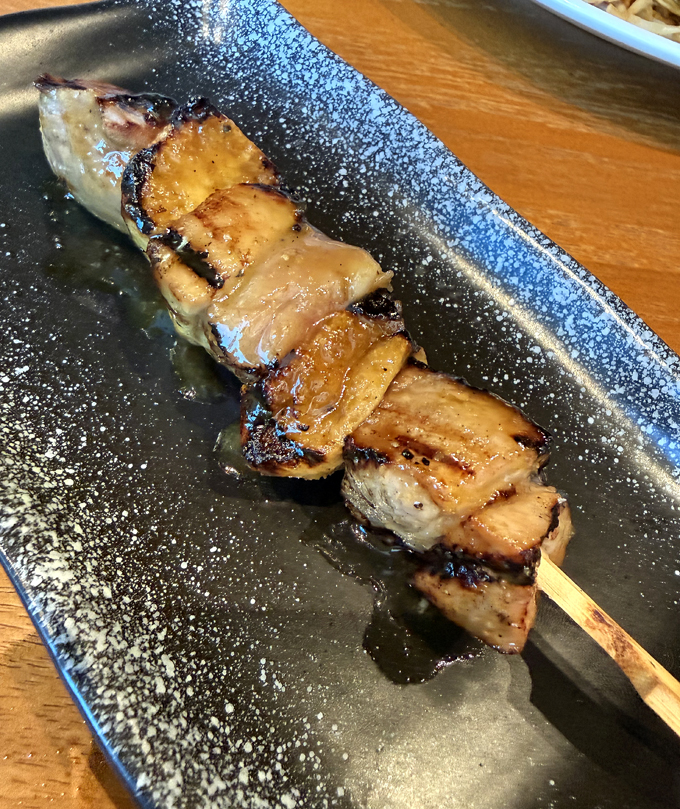
Pork collar yakitori ($8 for one skewer) was juicy, a little sweet, and possessed a smoky, charcoal finish.
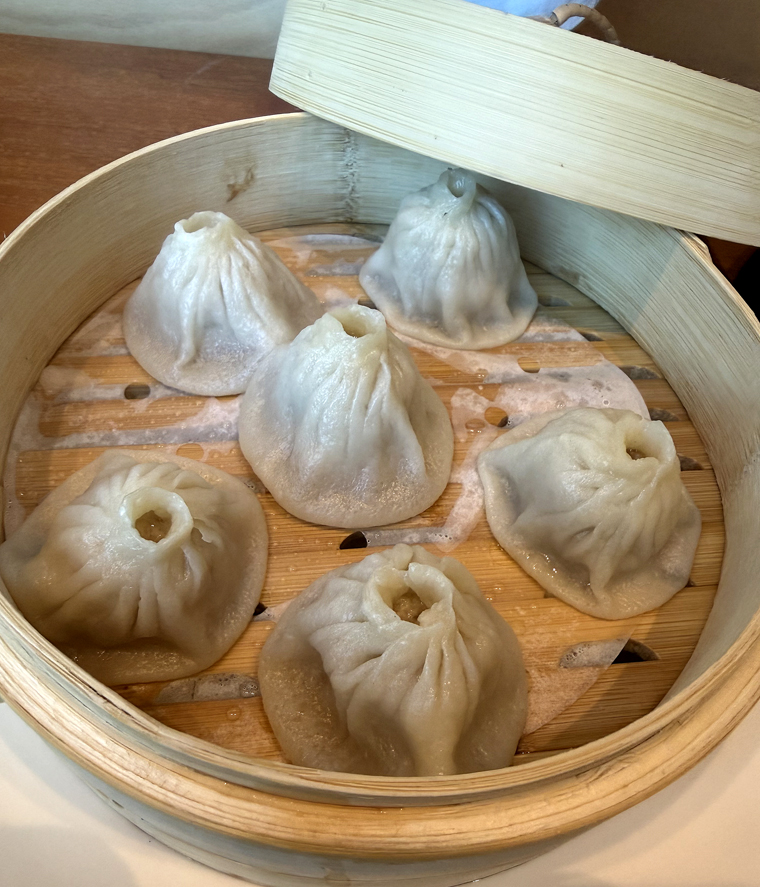
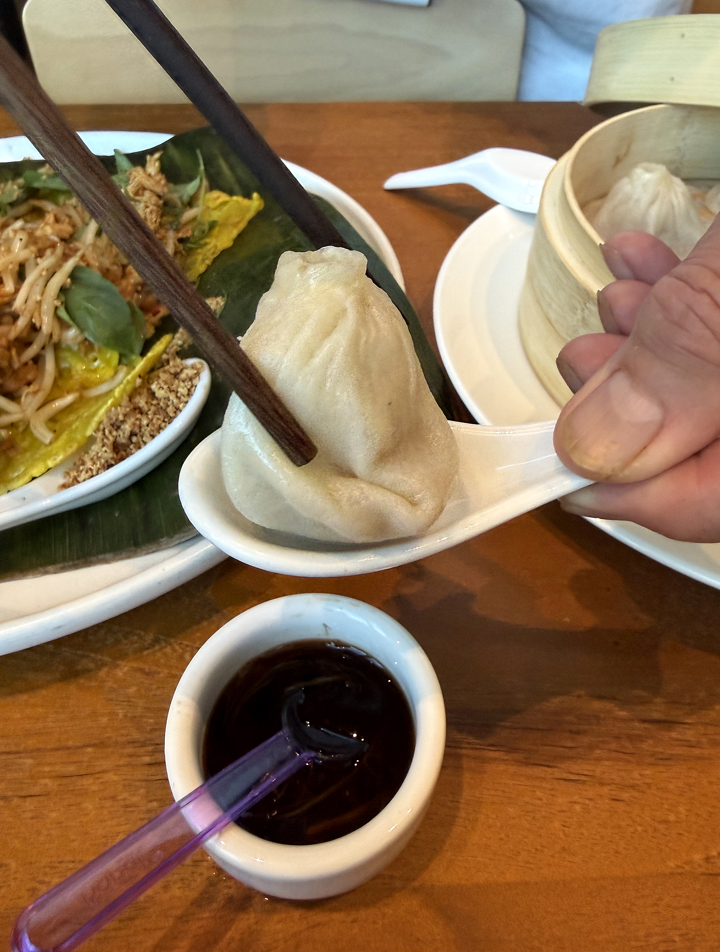
It takes guts to offer xiao long bao or XLB (six for $16) when specialist Din Tai Fung is located in the same mall. Asia Live’s wrappers are decidedly thicker than Din Tai Fung’s and a little more rustic, but they are quite juicy with a very meaty filling.
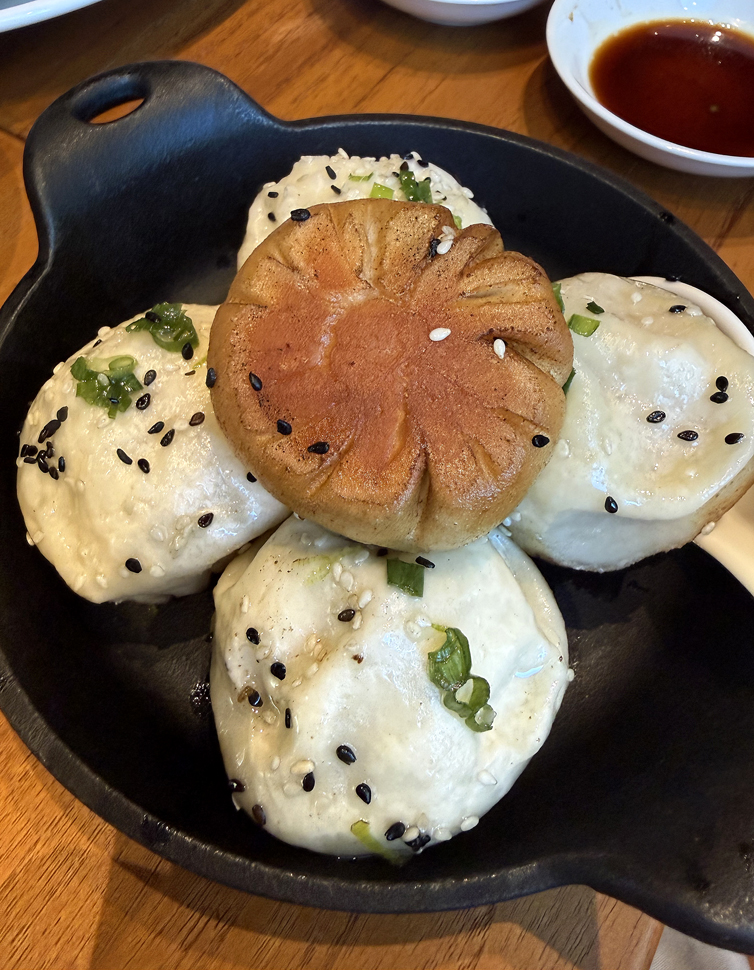
One of the restaurant’s signatures is the shen jian bao or SJB (five for $20). These baos are pan-fried, so the top remains soft and fluffy while the bottom turns deeply golden and crispy. Inside is a big pork meatball that’s tender and juicy. These were easily one of my favorite bites of the night.
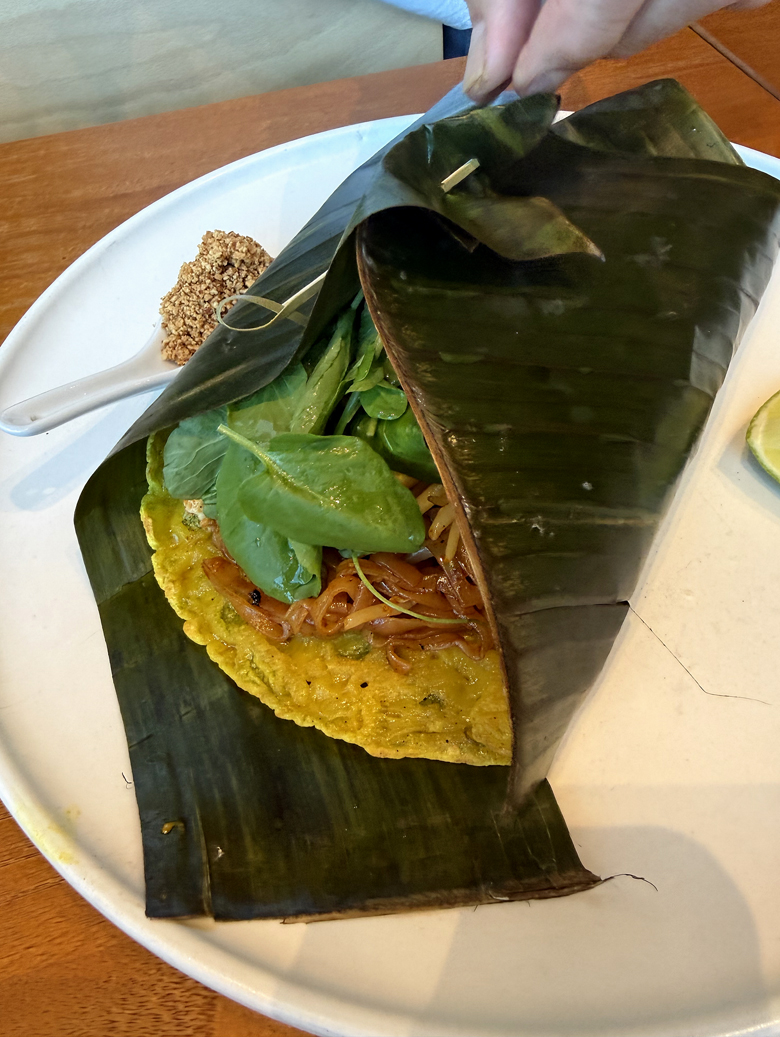
One of the dishes Chen and Sudar are most proud of is the “Pad Banh Cross-Over Vietnam Pad Thai Crepe in Banana Leaf” ($24). That’s a mouthful for what is a mashup of pad thai from Thailand and banh xeo from Vietnam. It’s a showy dish that comes bundled in banana leaves. At the table, it’s opened up to reveal a mound of noodles crowned with fresh herbs, all atop the Vietnamese crepe that gets its sunny color not from egg, but from turmeric (see video). Traditionally with the mung bean-shrimp-pork-stuffed crepe, you cut off a portion and swaddle it with herbs in a crisp lettuce leaf to eat. Here, you cut up some of the crepe to enjoy alongside the noodles. The pad thai is flavorful and thankfully, not too sweet. The crepe remarkably stays fairly crisp. If you’re a purist who worships a great banh xeo, just know that it’s not necessarily the hero of this dish.
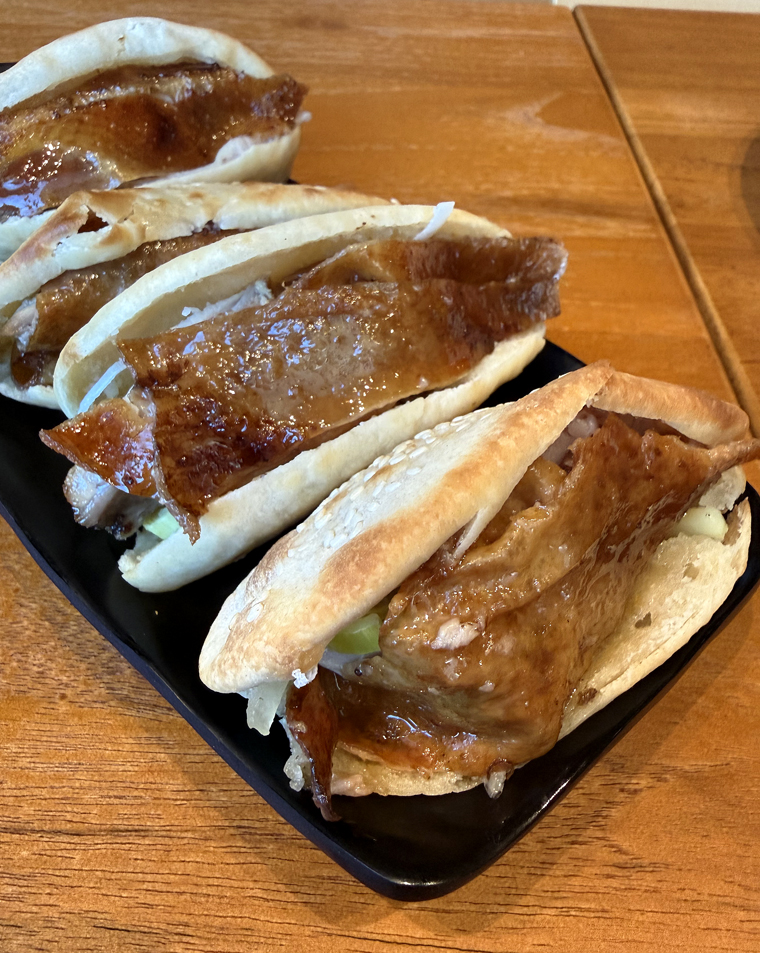
If you’re hankering for Peking duck, you needn’t have to worry about ordering a whole one or reserving it in advance. Instead, you can get the duck already sliced, brushed with kumquat glaze, and cradled in sesame flatbread (five for $30). As a kumquat lover, I was hoping for actual slices of the tiny citrus, but there weren’t any. The duck meat was succulent, and the fat rendered from the skin, leaving it pretty crisp, though Chen noted that they are working on getting it even crispier. I thought the duck sandos could have used more sauce to perk things up more. I later learned that a side dish of hoisin was supposed to accompany it. Chalk that up to a staff still getting used to the menu in this new restaurant.
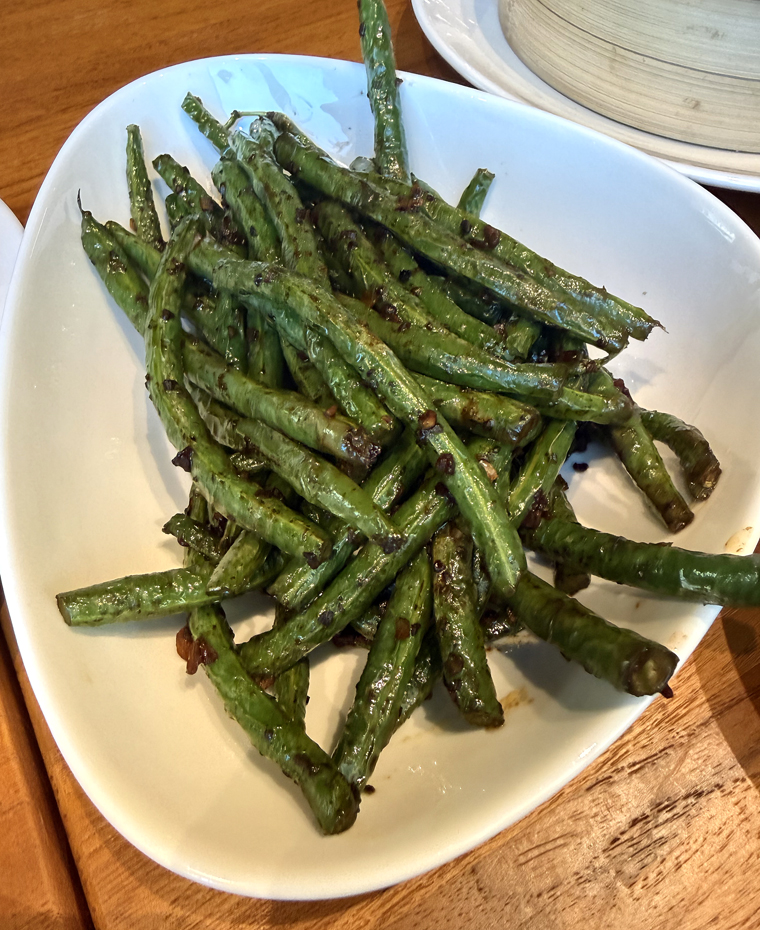
Having just devoured exceptional dry-fried green beans at a restaurant in Los Angeles, I was eager to see how “Chef Chen’s Famous Sichuan Blistered Green Beans, Yunnan Fermented Olives, Salted Plum, Mushroom Paste” ($22) would compare. Nicely crisp-tender, these were a little on the oilier side. I would have liked to have had a bigger hit of umami, too. But adding a spoonful of the Asia Live Signature Chili Bean Sauce — spicy, salty, very savory, and a little funky — that’s on the table remedied that easily.
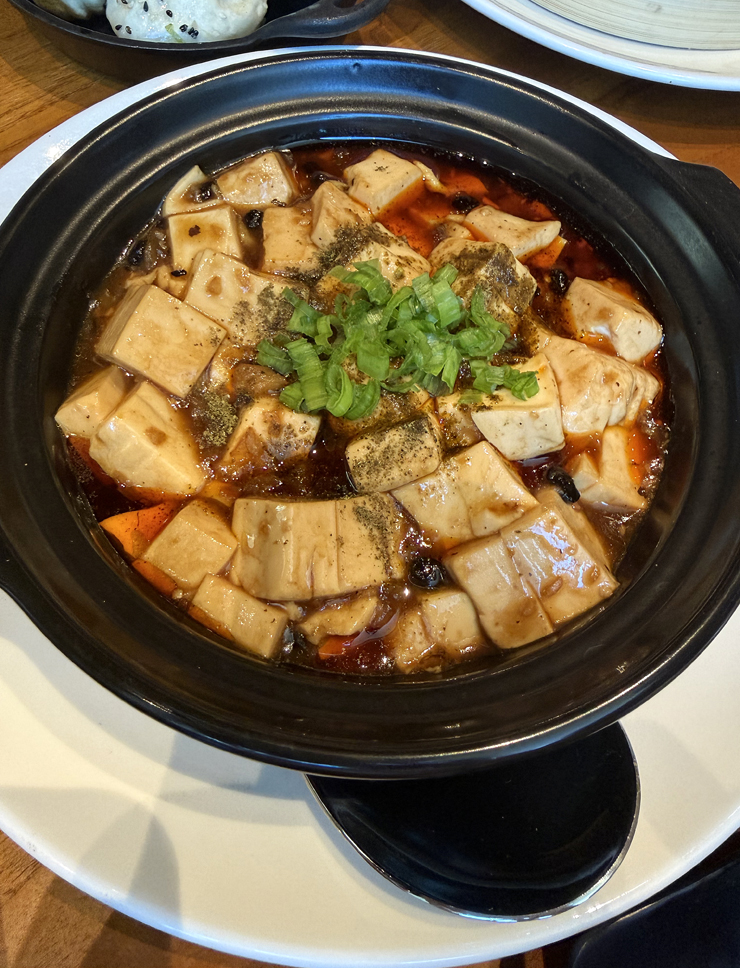
There was no missing the jolt of umami and numbing pepperiness of that claypot ma po tofu ($24) that was so flat-out delicious that you won’t miss the pork if you choose to get the vegetarian version. Be sure to order a side of steamed rice ($5) to soak up all that great sauce.
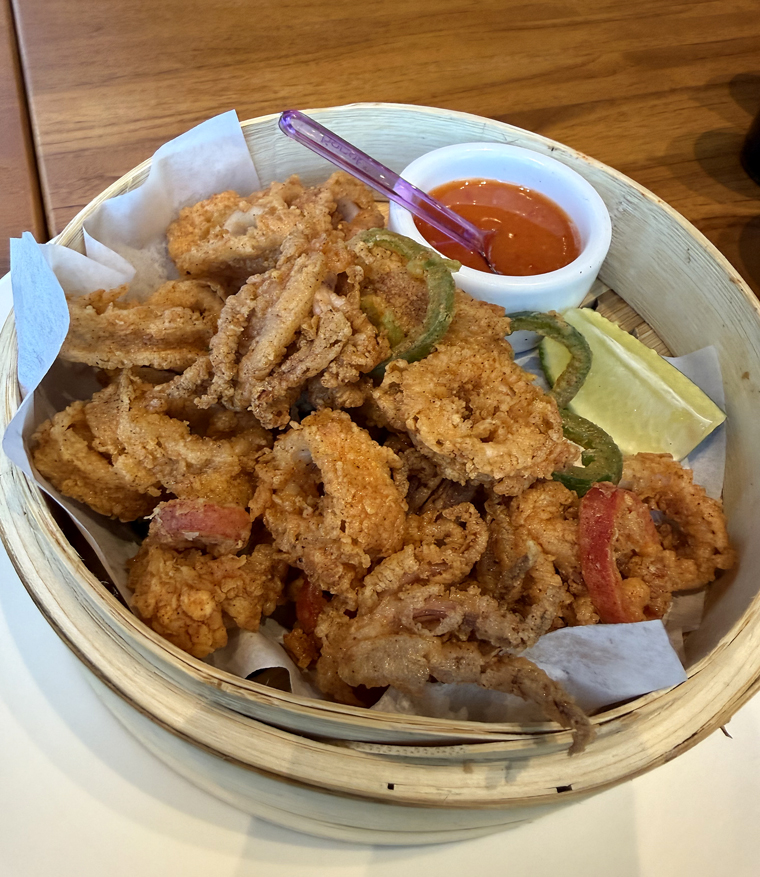
Chili-crusted calamari ($24) consisted of both rings and tentacles, lightly breaded then fried. It was served with “Chef D’s Special Sauce” that was on the sweeter side with mild heat.
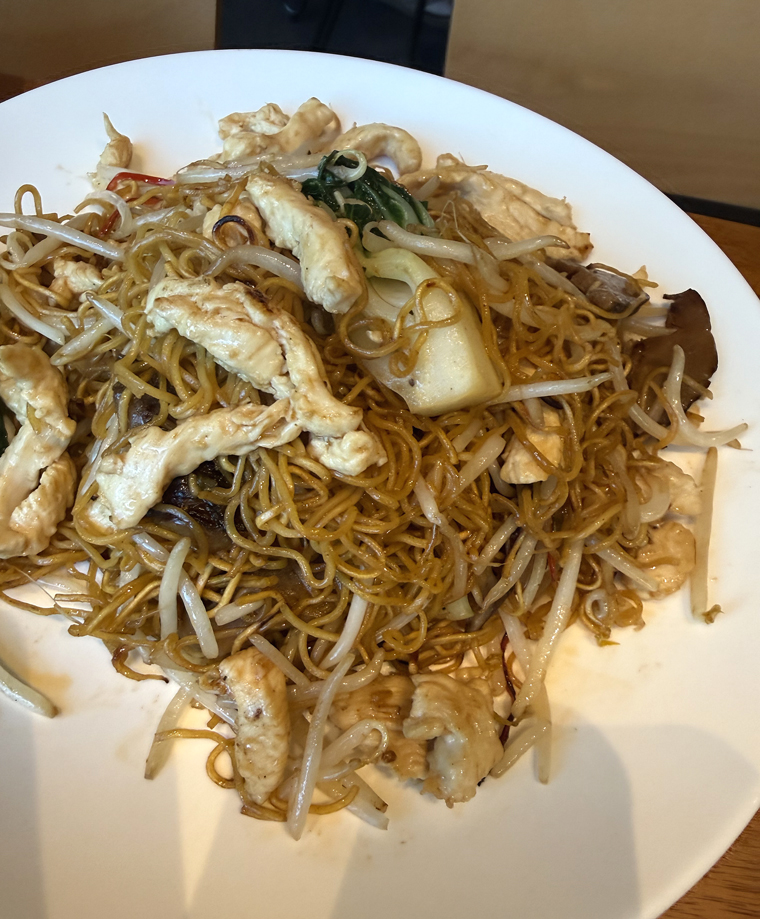
Fine egg noodles get crisped up Hong Kong-style ($25) with slices of chicken breast, mushrooms, and baby bok choy for a dish that tastes homey and comforting.
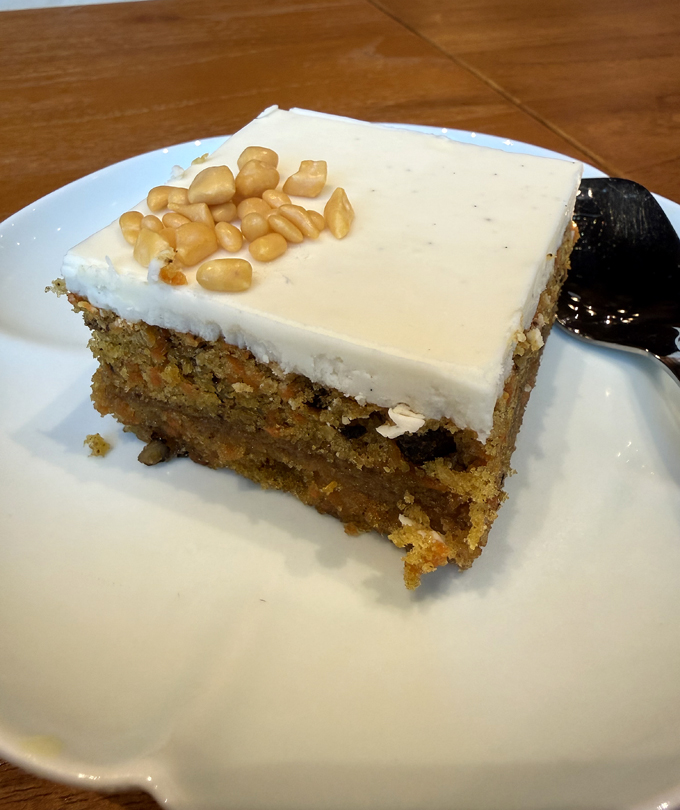
For dessert, there’s “Cindy’s Pineapple Walnut Spice Carrot Cake.” It’s a moist square with a none-too-sweet frosting in a pretty classic rendition. I kept thinking how the addition of five-spice or star anise might set it apart more.
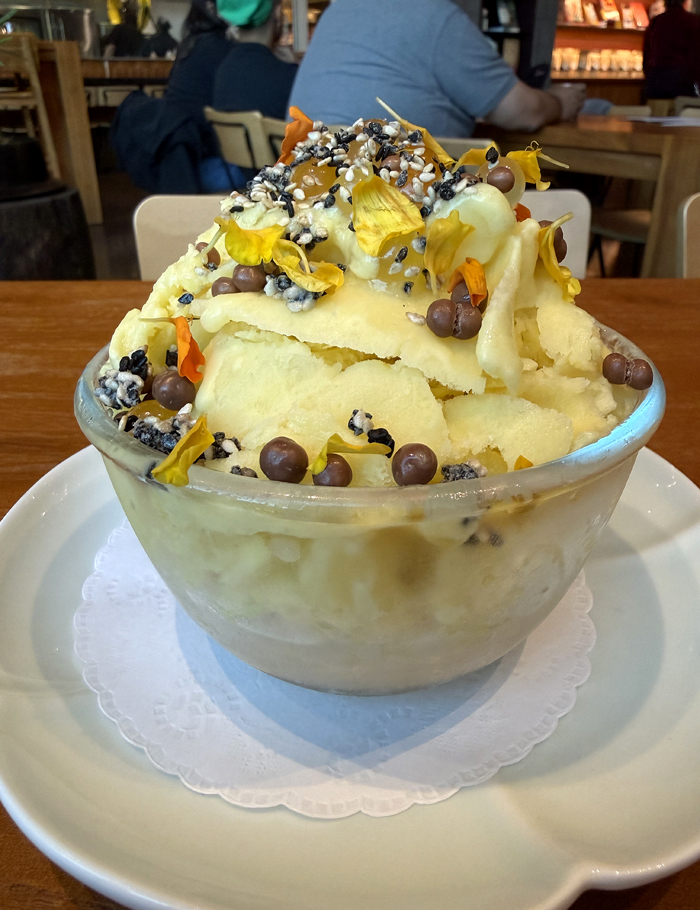
If you’re looking for something lighter and more refreshing, there’s the mango shave ice ($13) that hides a center of sesame soft serve. It’s strewn with a jumble of chocolate balls, mango gel balls, dried mango, and sesame seeds. This shave ice doesn’t have that powdery, snow-like texture of a classic Hawaiian one. It’s more shaved in wide ribbons, creating a firmer texture but still a very creamy one.
Many already consider Asia Live the Asian equivalent of Eataly, the Italian multi-restaurant and marketplace that celebrated its 4th anniversary at Valley Fair this year. Here’s hoping Asia Live does equally well.