Author Archives: foodgal

San Francisco’s A16 Still Going Strong

When the very talented Chef Nate Appleman departed San Francisco’s beloved A16 last year for the glitz of Manhattan, Bay Area foodies gasped, fell into a deep funk and believed the world had come to an end.

I exaggerate — but not by much.

But A16 did a very smart thing. For his replacement, the restaurant looked within. It promoted Liza Shaw to top toque. Shaw not only helped open A16 in 2004, but worked her way up through every station, and contributed to the recipe development and food styling of the award-winning “A16 Food + Wine” (Ten Speed Press). In her hands, the restaurant has remained every bit as strong and consistent.

On a blustery night when I was invited to dine as a guest, the long, narrow restaurant a short drive from the Laurel Inn, was as crowded and boisterous as always.

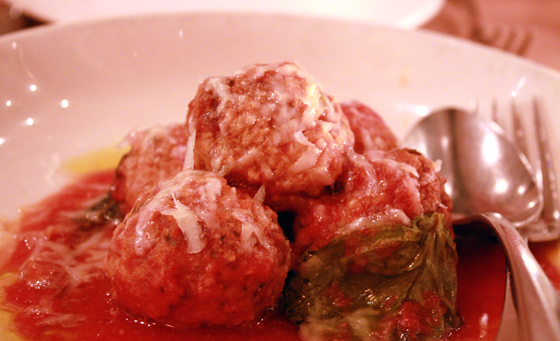
It was my first time dining on a Monday night. And you know what that means — “Meatball Mondays” was in full swing. The juicy, tender meatballs are served as a special every Monday night as either an appetizer or entree. The meatballs, braised in wine, are a mixture of pork, beef and 40 percent breadcrumbs, which is what makes them so wonderfully light in texture. One bite and you’ll know why regulars caused a ruckus when the restaurant once tried to discontinue the meatball tradition.

A starter of roasted Monterey sardines ($11) was surprisingly mild tasting for this oft-strong oily fish.  A hit of citrus, fennel and plump green olives gave the sardines even more character.

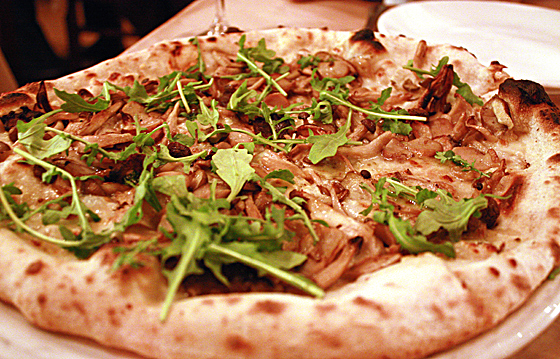
The pizza, which I’ve made at home many times, remains one of the best in the city. The funghi pizza ($16.50) was strewn with roasted mushrooms, smoked mozzarella, Grana, garlic, oregano and wild peppery arugula. The crust was crisp, with developed flavor and nice, airy edges.

Pastas comes in your choice of full or half portions. We opted for the latter for two pastas.

Read more

New Peet’s Coffee Food Gal Contest and Winner of the Global Knife Give-Away

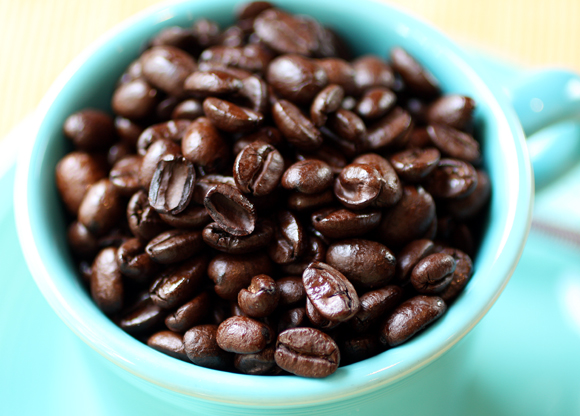
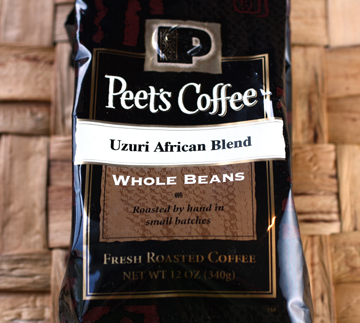
For the first time in eight years, artisan roaster Peet’s Coffee is adding a new blend to its line-up of beans.

Uzuri African Blend, available  starting March 3 at all Peet’s coffee houses and at Peets.com, will help generate greater income for 6,000 small farmers in Kenya, Tanzania and Rwanda.

Pronounced ”oo-Zur-ee,” the name of the new coffee means “excellent” and “beautiful” in Swahili. The name was chosen by East African farmers who are now producing the coffee to Peet’s exacting standards, and in the process, earning 30 percent more for their crop. That’s not insignificant, considering that coffee farmers typically live in extreme poverty, earning less than $2 a day, according to TechnoServe, an organization that empowers people in developing countries to build businesses to improve their lives, and which is collaborating with Peet’s to produce the coffee.

The new blend, which also will be available through March 31 on grocery stores nationwide, is smooth as can be with a subtle fruitiness to it. A 12-ounce bag sells for about $9.99.

Five lucky Food Gal readers will get a chance to try the coffee for free, too. Peet’s is generously allowing me to give away five 12-ounce bags of the Uzuri African Blend, one bag to each of five winners.

Contest details: Deadline to enter is the close of the day, March 6. Five winners will be announced March 8. The contest is open to only those in the continental United States.

To enter: Describe something that perks you up. The best five answers get the coffee.

Here’s my own answer to what perks me up: The smell of garlic sizzling in a hot pan. Just-washed laundry when it comes out of the dryer. Going for a long hike with a good friend on a perfect spring day — then pigging out on cake afterward. Fetching the mail, because I just never know what goodies are going to show up on any given day.

Now, it’s your turn…

And without further adieu, let me announce the grand prize winner of the Food Gal Global knife contest, in which I asked folks to describe something sharp and something dull. Faced with an unprecedented number of incredible entries (more than 70), I’ve decided to choose two runners-up, as well, who will each get a cookbook from my vast collection. Here are the winners:

Read more

Take Five with Chef Annie Somerville of Greens, the Pioneering Vegetarian Restaurant that Just Turned the Big 30

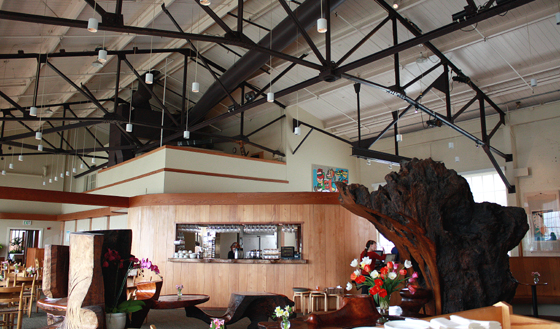
An upscale vegetarian restaurant, constructed of recycled and reclaimed wood, which grows much of its own organic produce and buys the rest from local farmers.

Sounds standard now, doesn’t it? But in 1979, when Greens Restaurant opened its doors at Fort Mason in San Francisco, vegetarian food was anything but elegant and refined. Opened by the San Francisco Zen Center in what was an old Army base, the tranquil restaurant with its sweeping views of the Bay, elevated the then-heavy and heavily brown-colored vegetarian cooking of the day to new heights by even daring to serve wine.

Its building was constructed by carpenters from the Zen Center, including lead designer Paul Discoe, an ordained Zen Buddhist priest, who later went on to design Oracle CEO Larry Ellison’s much-ballyhooed Zen palace in Woodside.

The restaurant may have just gotten spiffed up with new carpet, new slate entry tiles, a warmer paint color and new chairs on the way. But one thing has remained the same. For 28 of the restaurant’s 30 years, one woman has been a constant in the kitchen — Chef Annie Somerville, who took over from founding chef, Deborah Madison.
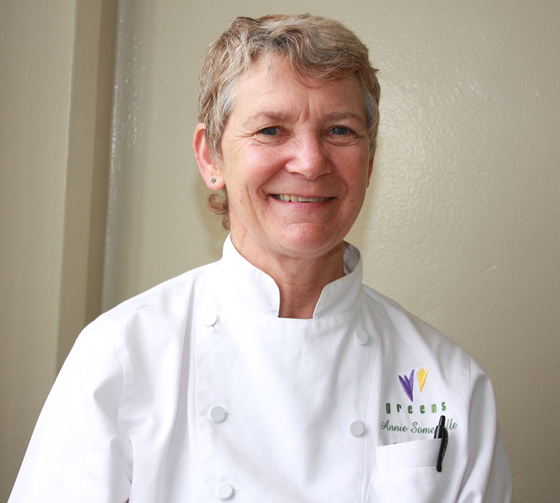
The slender, energetic, 57-year-old Somerville chatted with me recently about the restaurant’s amazing longevity; why she doesn’t own a cell phone; and what fellow chef and avowed carnivore, Chris Cosentino of Incanto, thinks of her.

Q: Are you surprised Greens has endured all these years?

A: When we shut down for the remodel, I had a chance to go through all these old articles in a filing cabinet. When you read the early reviews, you see how shocked people were that vegetarian food could be so beautiful and that it could be a cuisine in its own right.

I’ll look at recipes we haven’t done in awhile and think, ‘Wow, we’ve been doing that so long and others are making it now.’ It’s all so timely, and we’re still around.
Q: And this is the first restaurant you’ve ever worked at?

A: I never thought I’d be here, and I never thought it would last. The restaurant opened with very little money. We all worked for very little. We had to be thrifty.

Back then, I thought the people working here were crazy. (laughs) They were all so tired. They were dragging. But everybody did everything. A Zen master might be the dishwasher. And we’d all hose off the mats at the end of the night.
Q: When did you become vegetarian?

A: In high school. It was the thing to do at the time.

I don’t think of it in a strict way. I’m not a vegan or a strident vegetarian. Occasionally, I’ll still eat a little chicken or fish. I think the reason Greens has been here so long is because it does beautiful food. I don’t think of it as vegetarian.

Q: Did becoming a vegetarian change your palate?

A: My palate became more rarefied because we have all these great ingredients to cook with. I’m also much more aware of salt now because I eat almost no processed foods.

I don’t think most of our guests here are vegetarian, but we have no way of knowing for sure. For some vegetarians, Greens is not vegetarian enough because we use butter, we use cheese, and there is rennet in the European cheeses we serve. Over the years, I think our food has gotten leaner. Deborah’s cooking was influenced by French cuisine, so there was roux, and butter in sauces. Nowadays, though, we saute in oil and finish dishes with butter, so people can opt to have it or not.
Q: What’s your ideal meal?

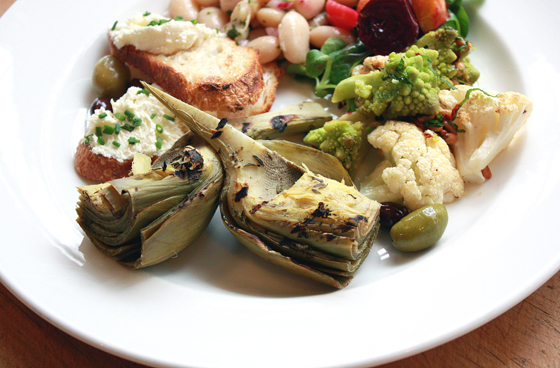
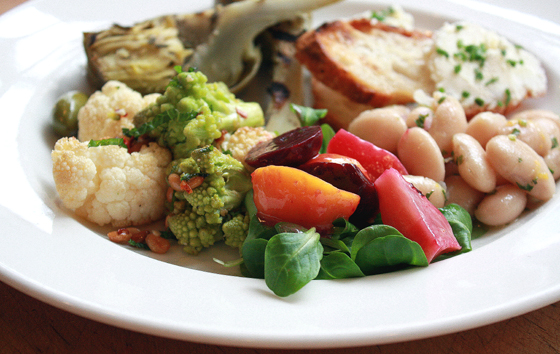
A: At home the other night, I had Romanesco cauliflower that I cut into pieces, and roasted at 400 degrees with olive oil and pepper until they were crisp, then squirted on some Meyer lemon juice. Then, I made some polenta with butter and Parmesan. Next, I saute a big head of chard with green garlic and spring onions. There was a nice toasted walnut bread with Andante cheese. For dessert, there were organic almonds, dates and mandarins from the farmers market. My husband and I sat down to all of that, and it was lovely. Everything we ate was grown by someone I knew.

Q: Does it irk you when folks like Anthony Bourdain deride vegetarians as the scourge of the planet?

Read more

Wines that Care

Sip wines that not only tantalize the palate, but do good for the planet.

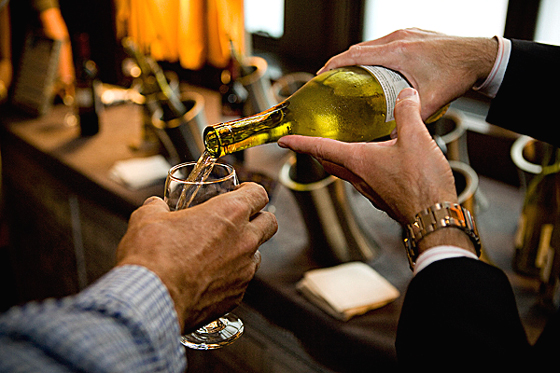
Kimpton Hotels and Restaurants has introduced a new wine program, “Wines that Care,” at its nearly 50 hotels nationwide, including its San Francisco properties such as the Hotel Monaco, Hotel Palomar, and Hotel Triton.

At the hosted nightly wine hour at each of its properties, a featured winery of the month will be spotlighted for its dedication to the earth and local communities. All of the wines have been hand-picked by Kimpton’s wine director and master sommelier, Emily Wines (and yes, that is her real name).

Among the featured wineries are: Barefoot Wine (Modesto, Calif.), which works with the Surfrider Foundation each year to encourage locals to clean up beaches to make them “barefoot-friendly.” Banrock Station (Australia), which has contributed to the preservation of native ducks in New Zealand, flamingos in Kenya, and the re-introduction of otters in Holland. And Hayes Ranch by Wente Vineyards (Livermore, Calif.), which has worked hard to minimize water use, reduce non-organic wastes, and revitalize soils.

Read more

Momofuku’s Famous Pork Buns

Yes, I made them.

And they are pretty f***ing good.

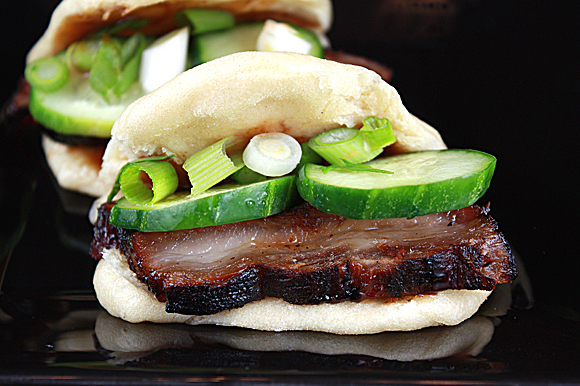
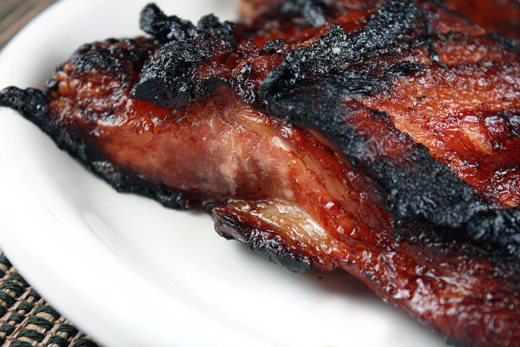
Oooh, did I say that? Chalk it up to me channeling the one and only David Chang, the potty-mouthed, no-holds-barred New York chef sensation who created these wonderfully pillowy steamed buns stuffed with juicy, fatty-delicious pork belly.

How good are they? When my husband and I visited New York last year, we ate these pork buns three out of four days we were there. If they were on the menu, we simply had to have them.

Chang serves these at his Momofuku Noodle Bar, Momofuku Ssam Bar, and Momofuku Milk Bar bakery. They’re so popular that you’d be hard-pressed to walk into any of these establishments and not find them gracing every table.

The recipe comes from the “Momofuku” cookbook (Clarkson Potter), written by Chang and New York Times writer Peter Meehan.

Making them at home is straight-forward, but does take some effort.

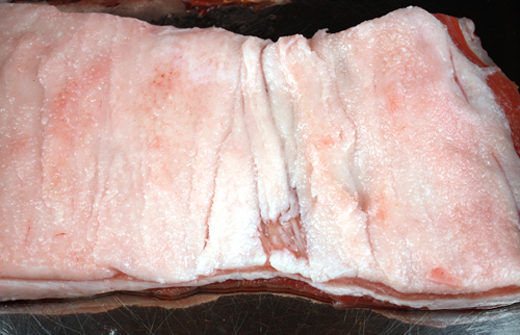
You have to marinate, cook, cool, and neatly slice the pork belly.

You have to make the quick pickles, which are so easy and fantastic tasting.

Read more

« Older Entries Recent Entries »