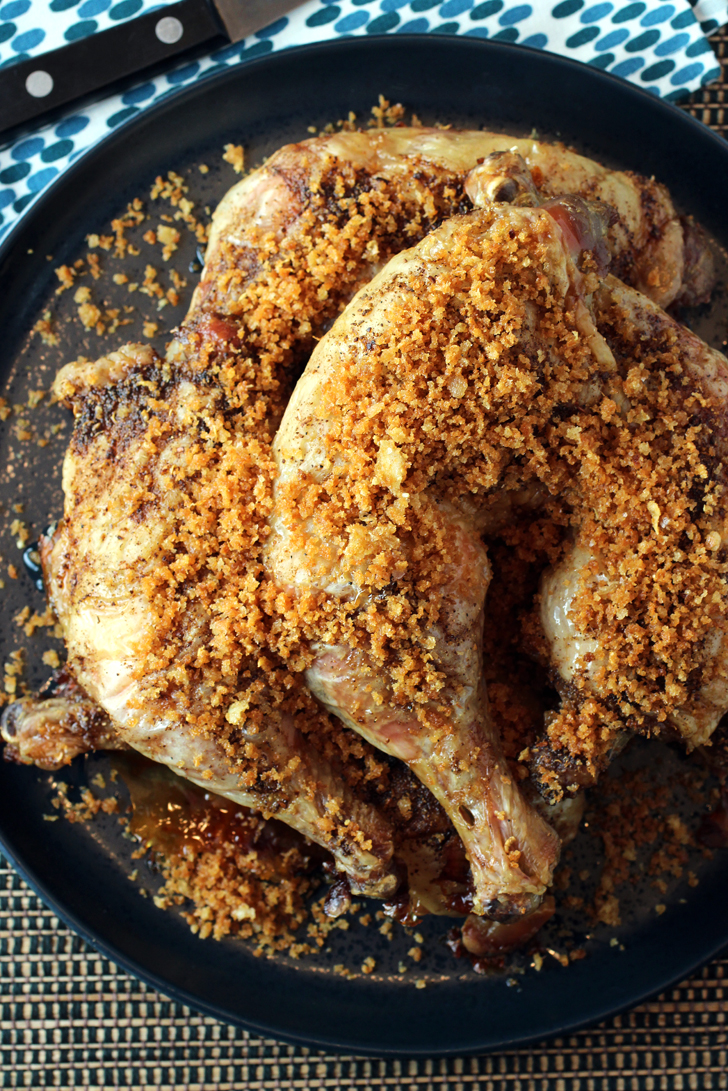
Chicken leg quarters roast in the oven in an unusual method.
When it comes to battered, fried foods, I often think the best part is the little bits of golden, crunchy crumbs that fall off, which get eaten with your fingers with no shame, just total abandon.
If you’re with me on that, then you’ll go crazy for “Low-and-Slow Spiced Chicken Legs with Garlic Crunch-Crumbs.”
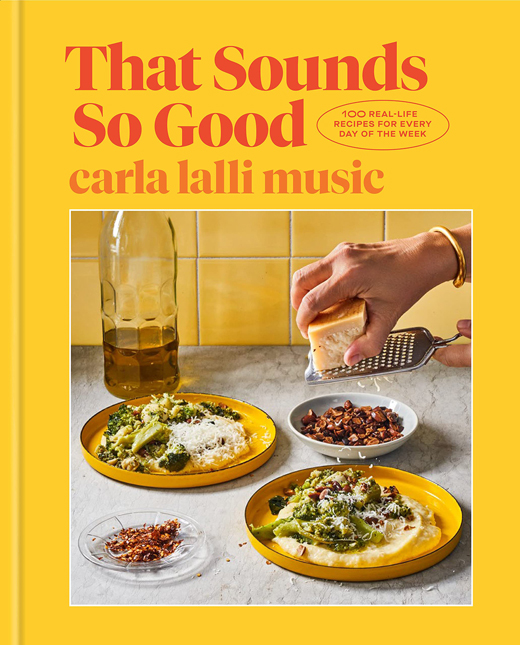
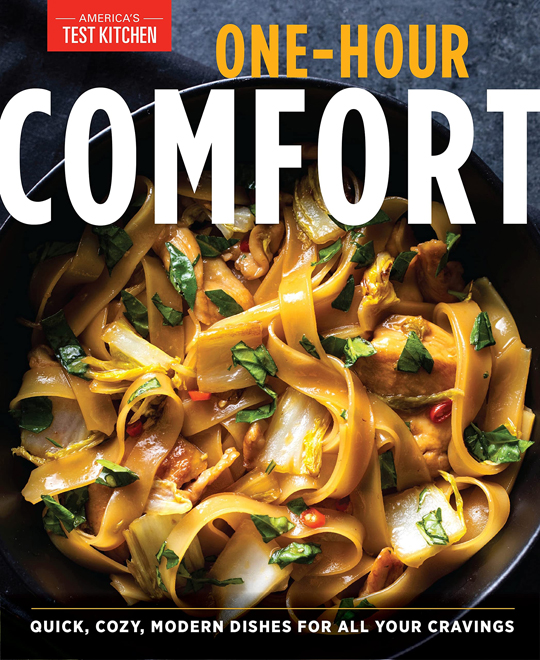
The book includes 100 recipes for weekday and weekend fare, each helpfully complete with suggested ingredient swaps, in case you don’t want to run to the store for something you don’t have on hand or if just want to shake things up a bit.
For instance, “Pasta with Cacio e Walnut” can be made with Pecorino Romano or aged Gouda instead of the original Manchego; or almonds or pistachios can stand in for the walnuts. In “Grilled Squid with Blackened Tomatoes,” sea scallops or large peeled shrimp can be used instead of squid; and fennel seeds can trade places with the original cumin and coriander seeds. If the “Vanilla-Brown Butter Pear Tart” has caught your eye, but it’s not pear season, then use Pink Lady or Granny Smith apples; or peaches, nectarines or plums with a smidge of cornstarch to thicken their juices.
Got a mere hour? Then, you’re on your way just like that to self-care served up in a bowl or plate.
The recipes span dishes perfect for every hour of the day, from “Malted Milk Pancakes with Nutella Maple Syrup” and “Sesame Noodles with Shredded Chicken and Vegetables” to “Skillet Spanikopita” and “Caramel Dumplings.”
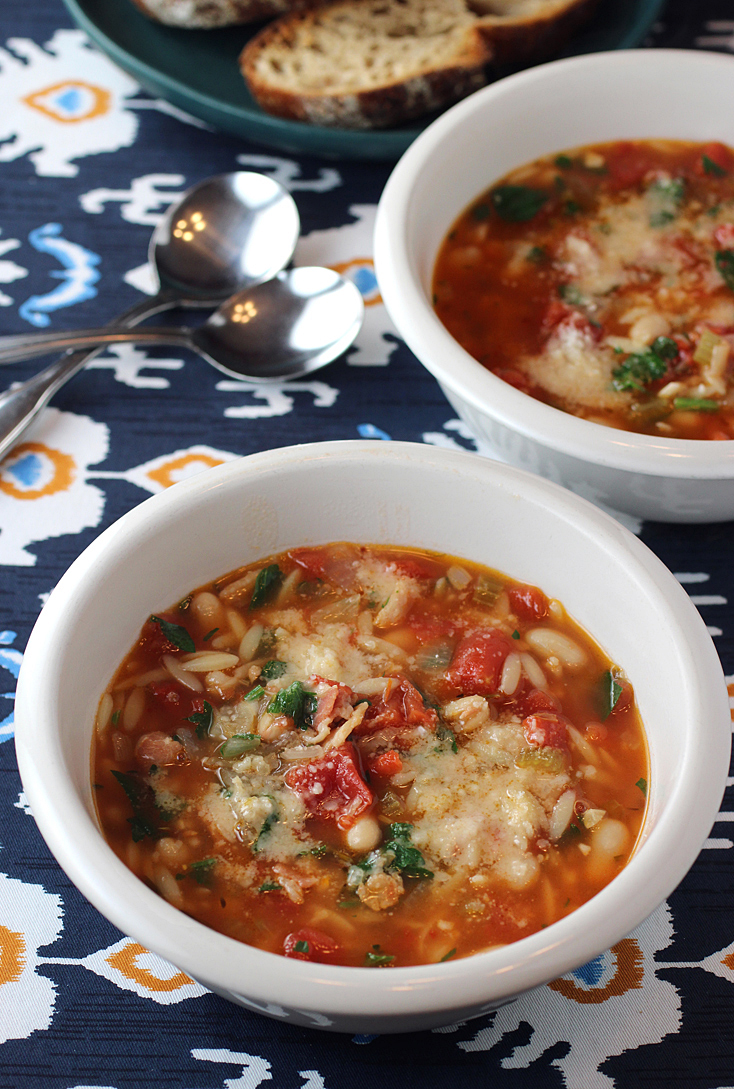
For me, “Italian Pasta and Bean Soup” sure hit the spot. It not only comes together fast, but it makes use of ingredients you most likely already have on hand if you keep a well-stocked pantry and freezer.
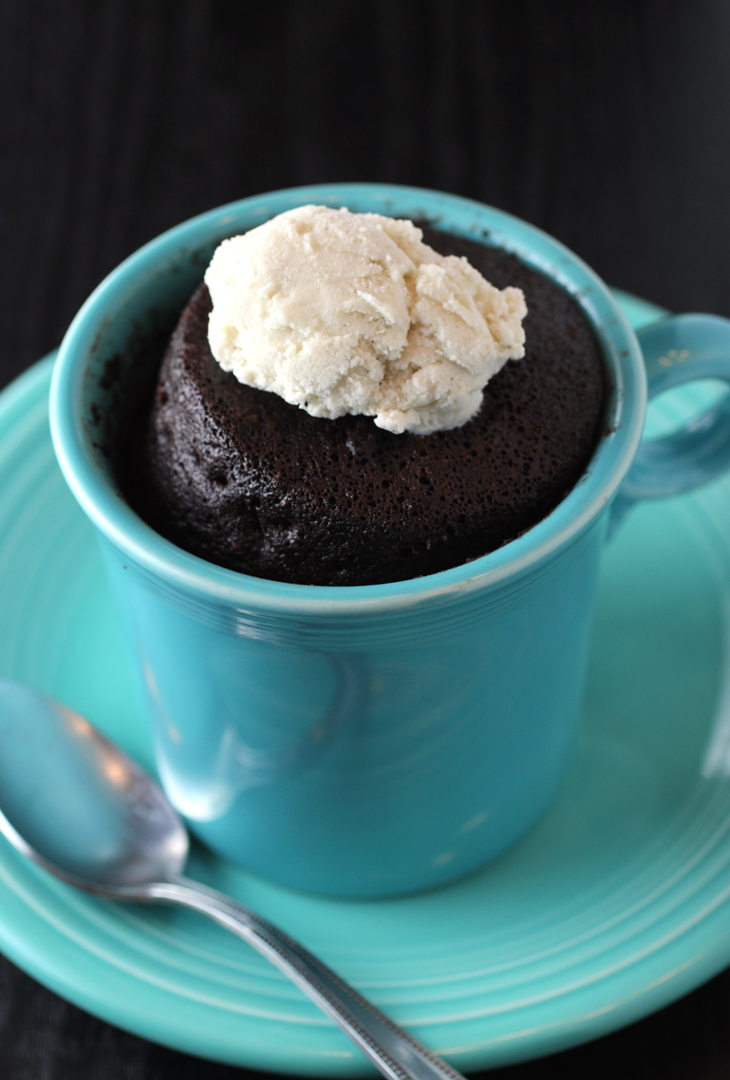
A from-scratch chocolate cake that’s gluten-free, paleo, and ready in about 2 minutes.
This recipe is dangerous. With a capital “D.”
Because it allows you to make a cake in about 2 minutes.
Just imagine being able to indulge in a warm, tender cake anytime you feel like it. And an individual one at that, which you don’t have to share — well, unless you’re feeling exceedingly generous.
What’s more, “Chocolate Mug Cake” is gluten-free and paleo.
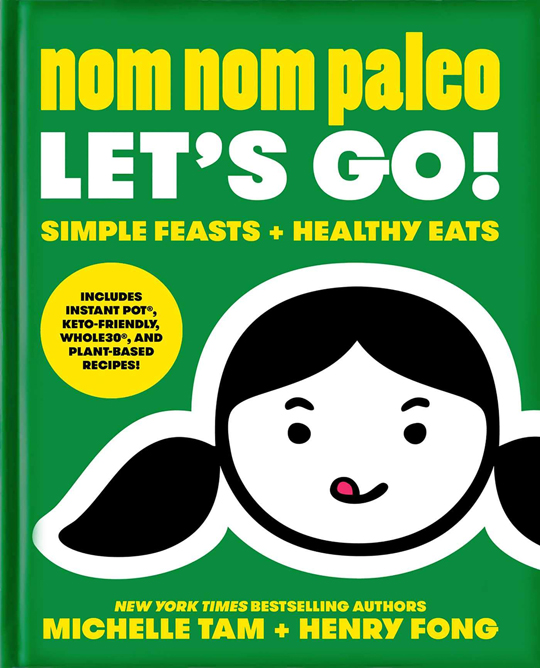
The recipe comes from paleo pro Michelle Tam, whose newest cookbook, “Nom Nom Paleo: Let’s Go!” (Andrews McMeel), of which I received a review copy, just hit the shelves.
If you’re familiar with Tam, the former Stanford Hospital pharmacist who has taken the paleo universe by storm, you know that it takes her and her husband Henry Fong about five years to write each of their cookbooks. That’s because they do it all — the recipes, design, photography, and whimsical illustrations. So, when one drops, it’s definitely a reason to rejoice.
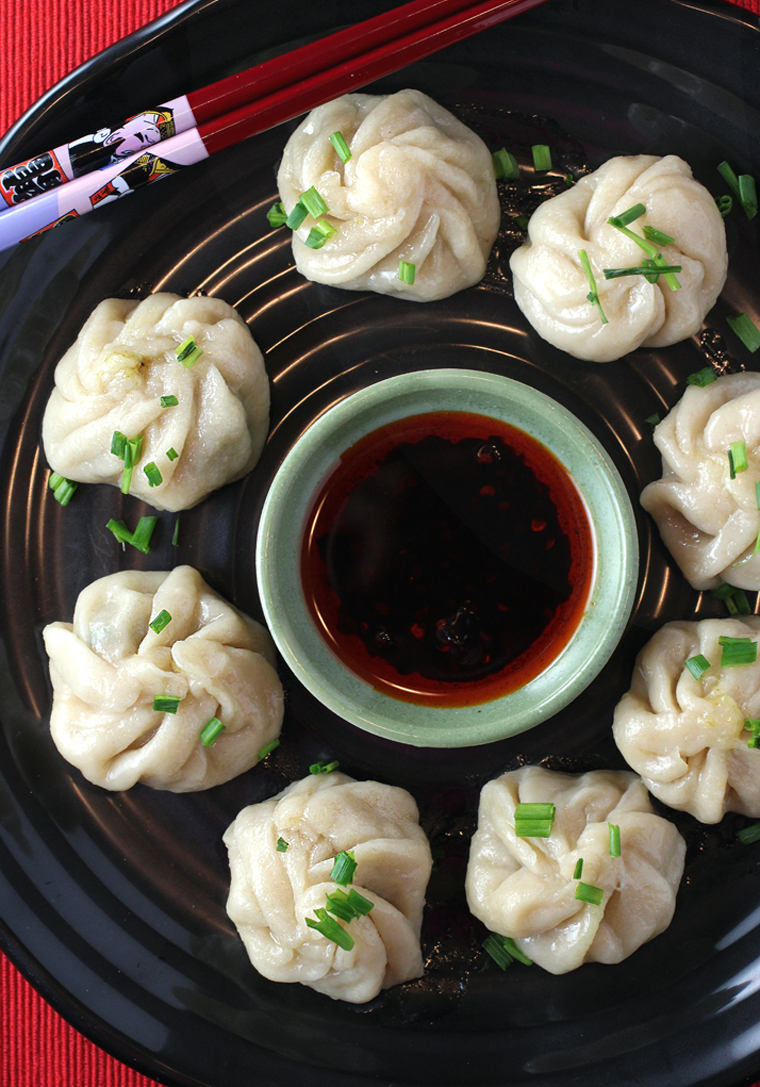
Home-made wrappers envelope a filling of cumin-scented lamb.
I’ve always had utmost respect for the cooks at Chinese restaurants, who huddle over a counter, rolling out perfectly thin circles of dough, one right after another, before crimping them with mind-blogging precision to turn out handmade dumplings quicker than I can take a breath.
But I have even more appreciation for their mad skills now, having tried my hand at making my own dumpling wrappers for the very first time.
Ever since I was a kid making wonton, gyoza and potstickers alongside my mom, we’d always make the filling from scratch, but buy the pre-made wrappers from an Asian market.
With the start of the Lunar New Year this week in yet another pandemic month, I figured now would be as good a time as any to finally check off that box in the annals of dumpling-making.
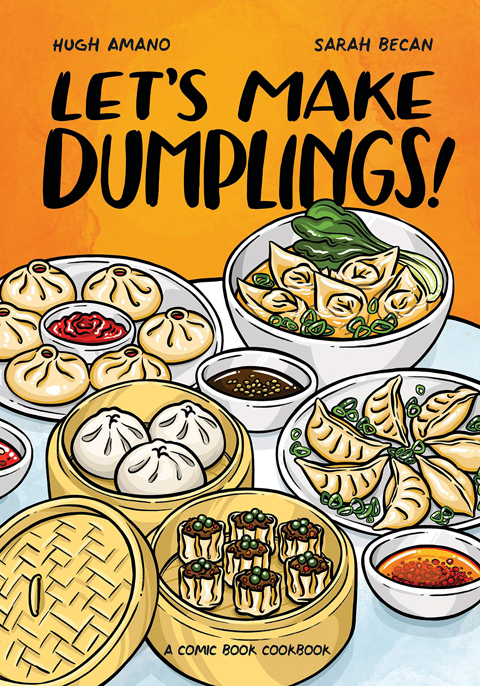
“Let’s Make Dumplings!” (Ten Speed Press, 2021), of which I received a review copy, proved a perfect resource for that undertaking.
It’s a comic book cookbook — yes, really — by cookbook writer Hugh Amano and illustrator Sarah Becan.