Category Archives: Fruit

Meyer Lemons — The Salty
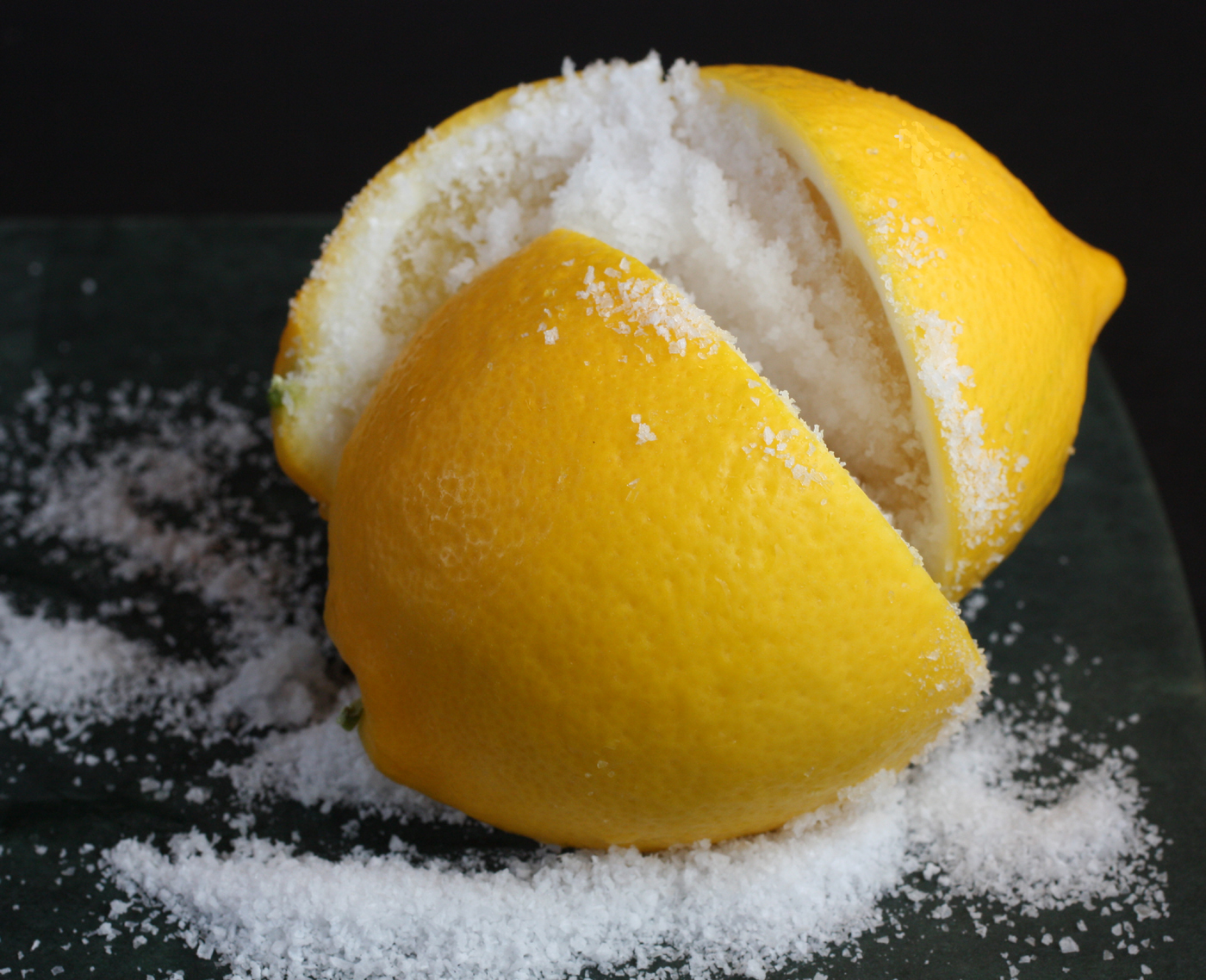
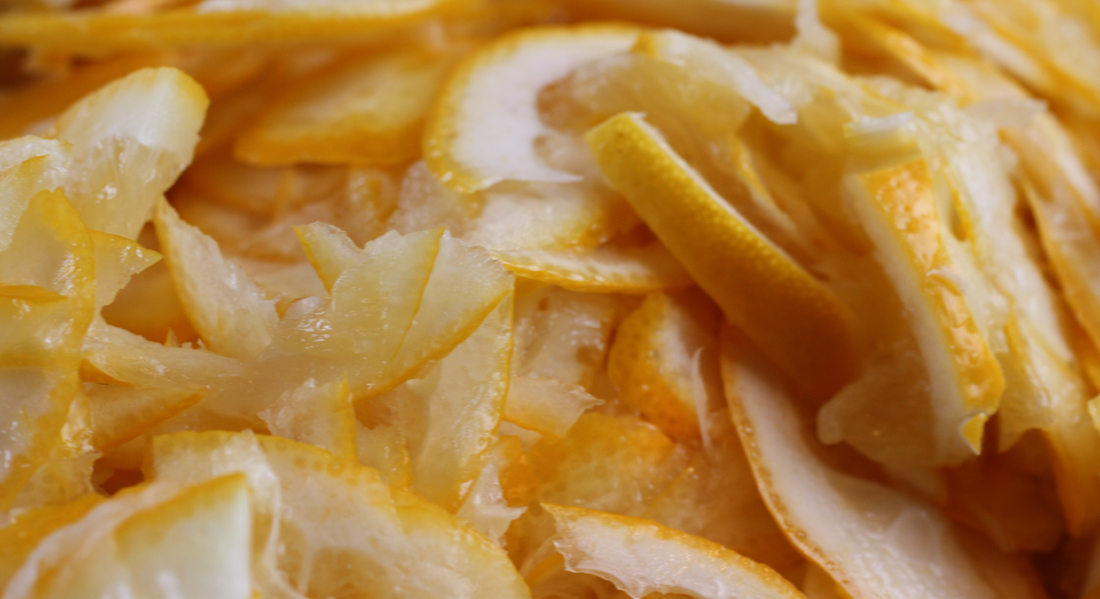
The beginnings of preserved lemons.

I owe a debt of gratitude to Moroccan cooking expert Kitty Morse.

After all, she’s the one who taught me just how easy it is to make my own preserved lemons.

How easy?

So easy that you don’t even need a real recipe for it.

I took a cooking class at Draeger’s years ago that Morse taught. It was there that she turned me on to the endless wonders of preserved lemons.

They cost a tidy sum if you buy them already made in jars in fancy gourmet stores. They cost mere pennies if you make them yourself, especially if you have your own lemon tree.

I always use Meyer lemons just because I love the floral, complex, and less puckery taste that they have. But I also know that Mourad Lahlou, the Marrakech-born chef-owner of Aziza in San Francisco, likes both Meyers and Eurekas, but for different uses. At a cooking demonstration late last year at the Culinary Institute of America’s Greystone Campus in St. Helena, Lahlou said he favors the more delicate preserved Meyer lemons in salads, but preserved Eurekas in long-cooked stews because the rind is thicker and doesn’t break down so much.
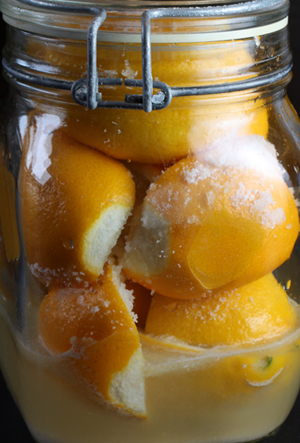
Day One: Packing the lemons into the jar.

Whatever lemon variety you choose, I guarantee you will have a fascinating time making preserved lemons. If you have kids, they’ll have fun watching the lemons do their thing, too. Think of it as your own little science experiment.
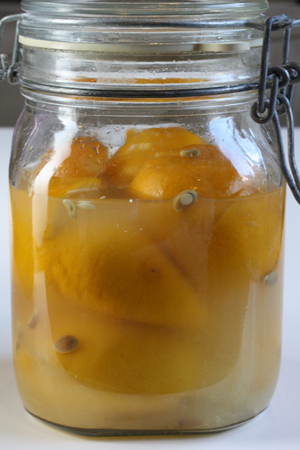
Week 2: The lemons are softening, and exuding their juice.

Indeed, the first time I wrote about making preserved lemons years ago in the San Jose Mercury News, I admitted I couldn’t stop looking at my lemons as they transformed themselves. I wasn’t the only one. Many readers wrote back after making their own batch, confessing that if they woke up in the middle of the night, they’d sneak a peek at their lemons. Morse even laughed that my lemons had become my pets.
Read more

Meyer Lemons — The Sweet

My first jam.

I have a confession to make: I had a serious case of the jam jitters.

Don’t get me wrong. I love jam. In fact, I enjoy it almost every morning, spread thickly on sourdough toast or an English muffin.

But I had never made jam.

Until now.

You see, I was a can-o-phobe. There are some notable culinary life passages we all face: Cooking that first Thanksgiving turkey. Baking something with yeast for the first time. Shucking that first oyster. Add to that list, jam-making for me. I’d conquered those other rites long ago. It was high time to tackle this one, too.

When I won a load of homegrown Meyer lemons from 5 Second Rule’s recent raffle, I wanted to put them to good use. So, Meyer Lemon Marmalade with Vanilla Bean seemed like a most fitting tribute.

A load of lemons.

Jam-making veterans had told me how easy it was to do. They took such pleasure in doing something so old-fashioned and nurturing, and not to mention cost-effective in this horrific economy.

For years, I had put off trying my hand at jam. Well, I’d have to buy a water bath canner, for one thing. I’d heard horror stories of jams that didn’t gel. And I worried I’d end up poisoning friends and family members alike if I screwed it up.

Can-o-phobia, I tell ya.

So, this recipe was perfect for a neophyte like me. It required no water bath canner or any pectin. It consisted of only lemons, sugar, salt, water, and a vanilla bean. I could store the jam in jars in the refrigerator after I’d sterilized them in the dishwasher. It was as easy as can be.

I used a mandolin to slice the Meyers thinly, and then removed all the seeds. As the lemons simmered in a big pot on the stove with the other ingredients, the house smelled incredible. Meyer Lemon #5, anyone? The natural, fresh, floral, citrusy fragrance was as intoxicating as any expensive perfume.

My only hitch was that I couldn’t get the boiling mixture up to 230 degrees. I came up 10 degrees short, no matter how long I simmered it or at how high of a heat. No matter, the jam set up perfectly once it was refrigerated for a few hours.

As I stared at my jars, looking for all the world like they were imbued with pure sunshine, I admit that I felt proud. And when I spread my marmalade on toast each morning, I smile at its sweet-tart taste, and its thick, rind-laden, pulpy texture.

Jam jitters?

Forget about it.

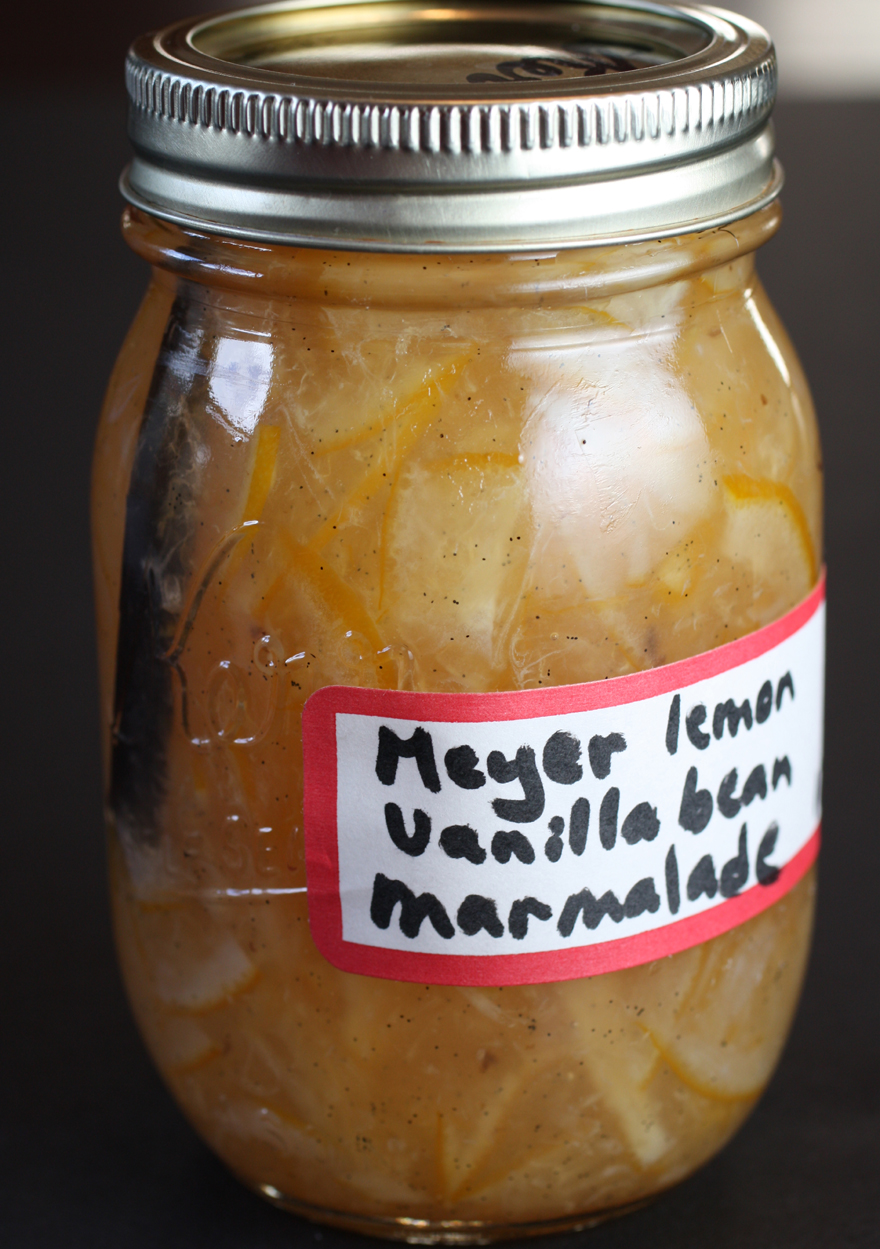
Meyer Lemon and Vanilla Bean Marmalade

Read more

Like Mother, Like Daughter

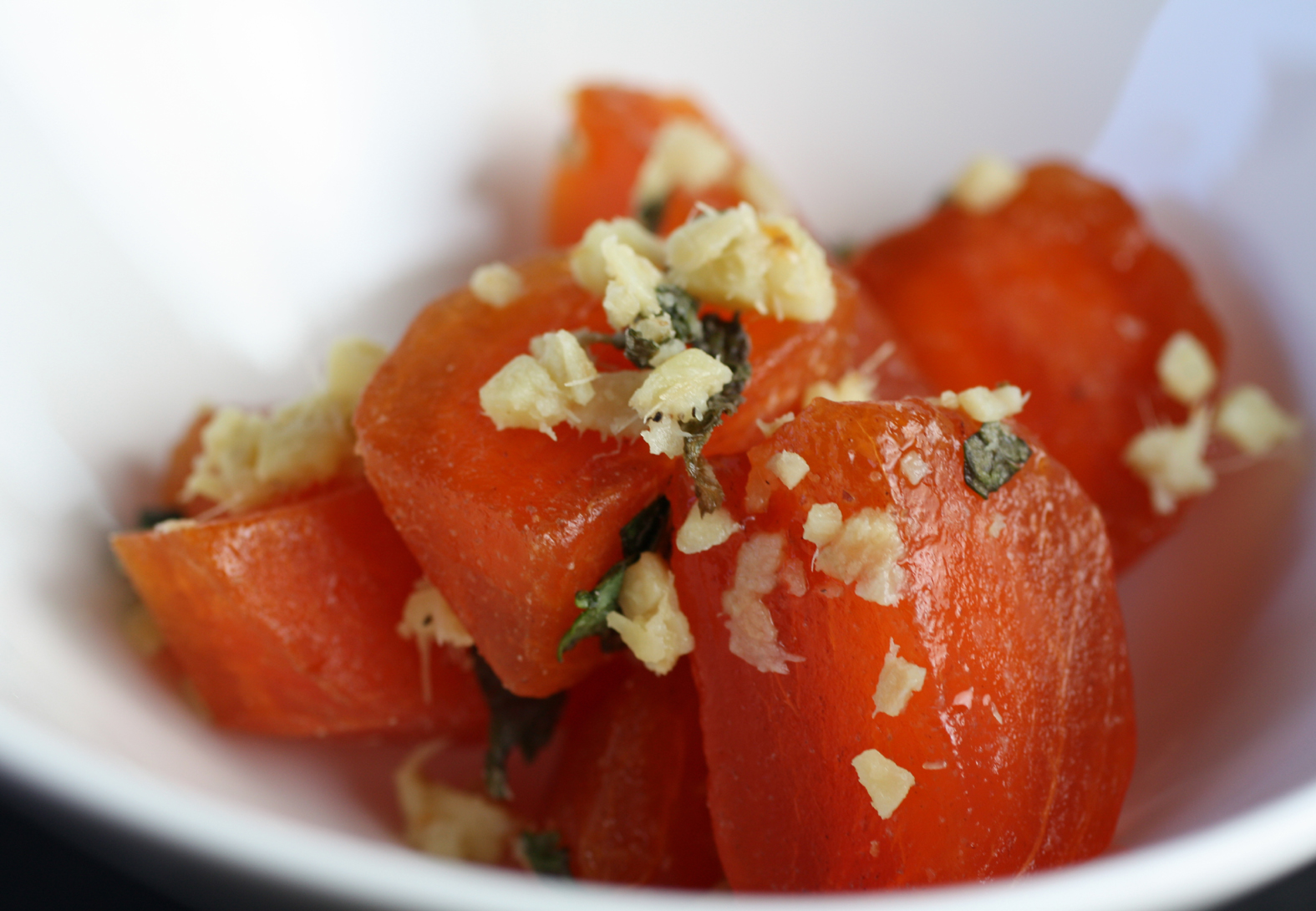
Fuyus and fresh ginger make magic together.

Sort of. Kind of.

When it comes to persimmons anyways.

You see, I was never a persimmon fan until I reached adulthood. As a child, though, I remember my late-Mom having baskets of persimmons all over the kitchen and dining room at this time of year. They were the acorn-shaped Hachiya variety, the ones that are bitter and nasty astringent if eaten unripe. You had to wait patiently, to be rewarded when they turned soft and sweet like summer apricots. And my Mom was nothing if not patient.

I, on the other hand, admit to enjoying more instant gratification at times. Plus, as a kid, there was something so horror flick-like about watching fruit get more and more gushy before you ate it out of hand, the sticky flesh smeared all over your fingers. “Attack of the Strange Orange Fruit,” anyone? It was enough to give you the heebie-jeebies.

Now that I can appreciate persimmons, though, I prefer the squatty Fuyu. After all, with this type, there’s no waiting. You eat it when it’s still firm and crisp. My kind of persimmon.

I love it in salads. The orange color lends a jewel-like contrast to leaves of bitter greens tossed with toasted walnuts. Or enjoy them with the heat of ginger in this salad from “The Breakaway Cook” (William Morrow)  by San Franciscan Eric Gower, who lived in Japan for 15 years.

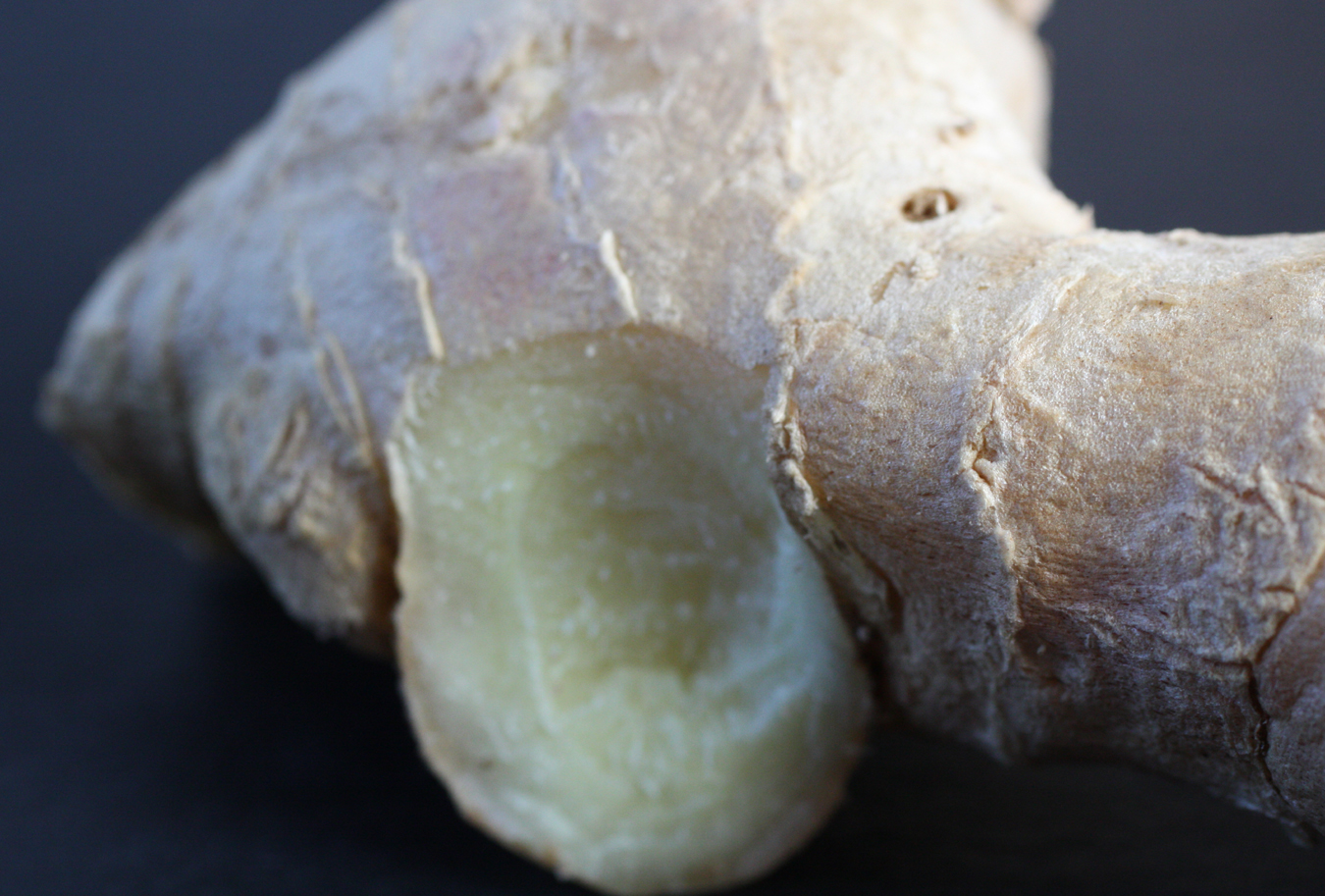
Known fact: I love ginger.

A heap of minced fresh ginger (1/4 cup!!) is softened in a little butter, maple syrup and champagne vinegar, then poured over Fuyu slices. It’s as simple as that. The sweet burn of fresh ginger pairs harmoniously with the sweetness of the Fuyus. If you dress the persimmons earlier in the day, then refrigerate them until serving later that night, the fruit will soften a bit, for those who like their Fuyus a little less crisp.

Read more

A Show-Stopping Dessert with A Spicy Taste of Winter

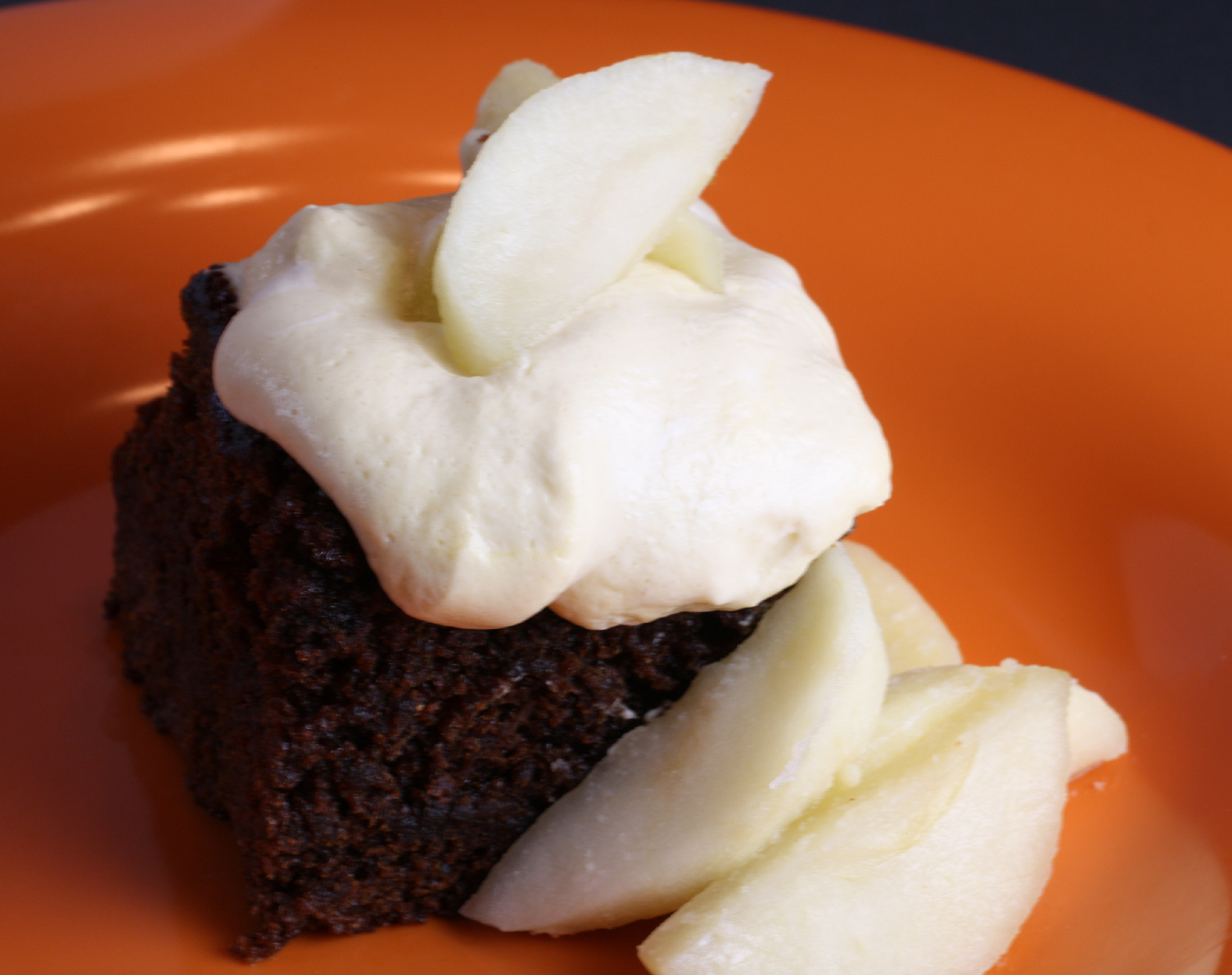
Gingerbread cake that's mmm, mmm good.

This is one of the desserts that award-winning San Francisco Pastry Chef Emily Luchetti says she makes most often.

It’s easy to understand why.

It’s a classic gingerbread cake with an air of elegance and sophistication because of its accouterments — a compote of warm, tender apples, and a rich, creamy sabayon with the added complex kick of Calvados (apple brandy).

Luchetti says she used to slice the cake and build little gingerbread houses out of them. Now, she takes the simpler approach and just cuts the cake into squares. “Tastes just as good,” she says with a smile.

“Gingerbread with Warm Apples and Cider Sabayon” is from Luchetti’s lastest book, “Classic Stars Desserts” (Chronicle Books).

The dark, moist cake looks almost like it’s made of chocolate because of the molasses in the batter. Warm spices including ground ginger, cinnamon, and cloves give it a comforting taste of winter.

The cider sabayon is made by whisking egg yolks, sugar, apple juice and Calvados in a double-boiler until thick and smooth. Then, whipped cream is gently folded into the cooled sabayon for even more luxuriousness. I could happily eat this by the spoonful all on its own. But that would be wrong, wouldn’t it?

You can make the cake, warm apples (I used a mix of Galas and Granny Smiths), and sabayon a day ahead of time. Just reheat the apples before serving.

I made this dessert for my in-laws’ Christmas gathering. Even my husband’s 20-something nephews went wild for it.

The recipe says it serves 6, but that would mean some seriously large slabs of cake. I found that it makes more like 8 servings, even for me, who can’t get enough of this knockout dessert.

Gingerbread with Warm Apples and Cider Sabayon

Read more

A Non-Alcoholic Alternative Made With Delicious Wine Grapes

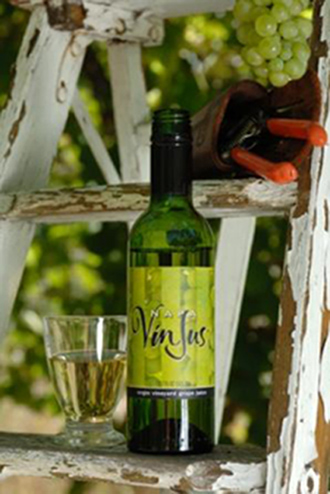
A quenching, non-tipsy beverage. (Photo courtesy of Napa VinJus)

You may already know Food & Vine Inc.’s Salute Sante! of the Napa Valley for its organic, high smoke-point grapeseed oil.

Now, get to know its divine new beverage, Napa VinJus, made from early-picked varietal grapes with low-sugar levels and high acid. The result is a non-boozy, golden-hued drink that is quite tangy, crisp, and with notes of green apple and honeysuckle.

I’m not a fan of sugary sodas, so I really fell for VinJus’ perky, puckery flavor. Indeed, it has about half the sugar of regular grape juice. Enjoy it in place of soda, or as an alternative to a cocktail.

A 750ml bottle sells for $14.50 at www.napavinjus.com/. You’ll also find it at Julia’s Kitchen at Copia in Napa, Go Fish Restaurant in St. Helena, Zuzu Tapas Bar in Napa, and the Culinary Institute of America’s Greystone Campus in St. Helena.

« Older Entries Recent Entries »