Category Archives: Health/Nutrition

Down Under in the Land of Olives
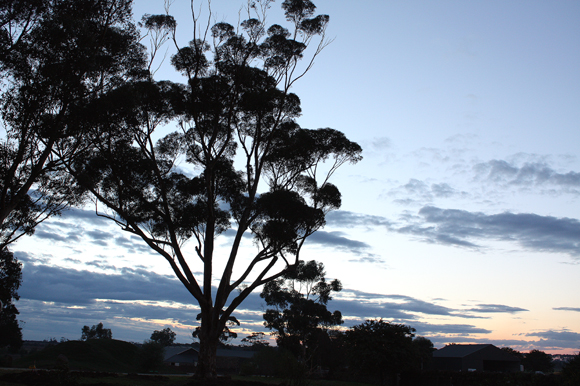
VICTORIA, AUSTRALIA — Kangaroos, koalas, award-winning wines, and the breathtaking Sydney Opera House. That’s usually what comes to mind when we think of Australia.

Extra virgin olive oil?

Not so much.

Yet an olive oil revolution is taking place Down Under. In much the same way that Australia turned the wine world upside-down with its outstanding, New World Shiraz wines, it is now doing the same with New World extra virgin olive oils.

Boundary Bend Ltd., Australia’s leading vertically integrated olive company, which controls every production process from growing its own olives to pressing the oil to bottling, has been a pioneer in this new industry Down Under. It is now the largest olive oil producer in Australia, and the top-selling brand there.
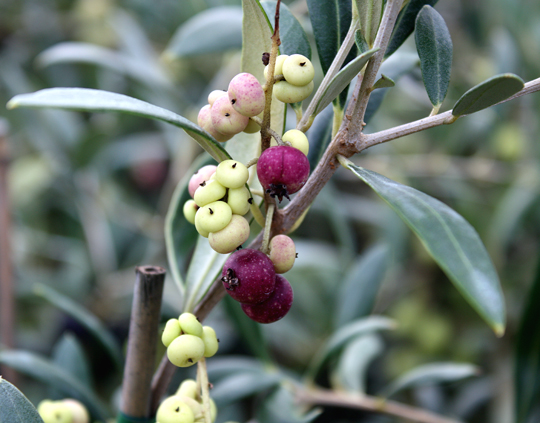
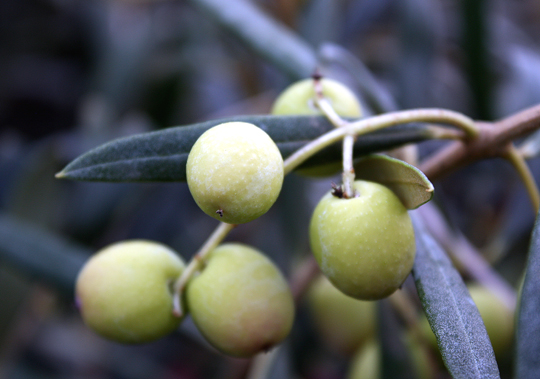
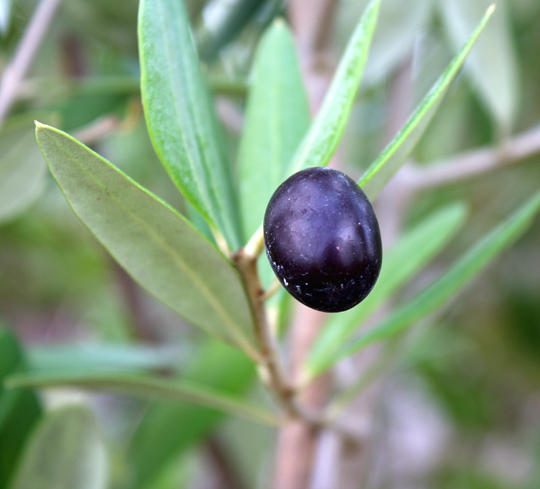
This spring, I had a chance to see first-hand how it all came to be, when Boundary Bend flew me and a couple of other journalists to north Victoria state in southern Australia to tour its facilities and expansive groves planted with an astounding 2.5 million olive trees.

It is those trees, bearing 14 different olive varieties, which form the foundation for Boundary Bend’s award-winning Cobram Estate extra virgin olive oils. The brand, launched in 2001, is now exported worldwide. The olive oils can be found on supermarket shelves in Canada, the United Kingdom, Ireland, Germany, Hong Kong, Singapore, South Korea, and yes, the United States, where they are sold at Nob Hill, Raley’s, Bel-Air, Lucky, Andronico’s, Winn-Dixie, Fairway Markets and SaveMart (starting at the end of July) for about $6.99 per 375ml bottle.

Boundary Bend hopes to distinguish its Cobram Estate extra virgin olive oils in two ways. First, it touts its freshness. After its olives are harvested, they are pressed in less than six hours. The resulting oil makes it to market only two to 12 months later.
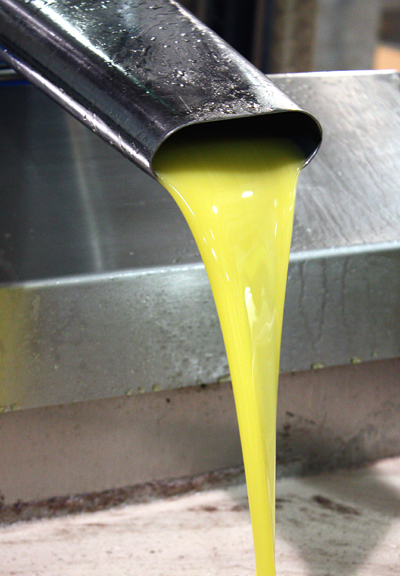
Second, it stresses the strict testing its oils go through. At a time when fraud is reportedly rife in the olive oil industry — as documented in a superb 2007 New Yorker piece detailing how a significant percentage of Italian so-called “extra virgin” olive oil is actually adulterated with cheaper oils such as canola –- Boundary Bend is working with Australian government officials to strengthen standards for extra virgin olive oil made both domestically and imported into its country.

Read more

Time for Cake, Cheese & Sorbet

The cakes:

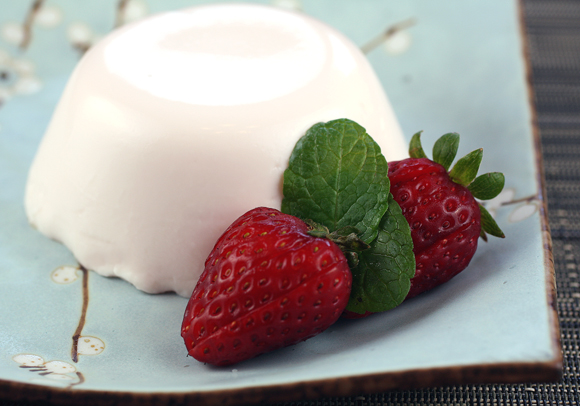
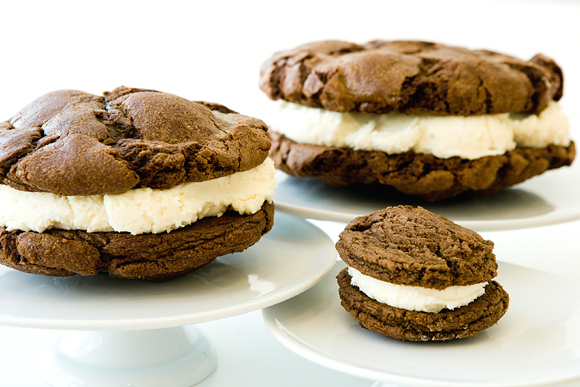
As in cupcakes, whoopie cakes and other classic cakes you’ll find at the new SusieCakes bakery, which has opened its first San Francisco location in the Marina district, a short hop from the Hilton at Fisherman’s Wharf.

This marks the second branch of the Los Angeles bakery, which has opened up North. The first one debuted in January in Greenbrae in Marin County.

The new Marina bakery will celebrate its grand opening on June 26, 2 p.m. to 5 p.m., with an old-fashioned sock hop, featuring ’50s tunes, kids activities, a costume contest, tasty treats, and prizes, including a raffle for a one-year membership in the SusieCakes “Cake of the Month” club.

The cheese:

Have you spotted these adorable truncated 1966 VW buses done up to resemble baby loaves of Tillamook cheddar?

My hubby actually saw one recently and had to do a double-take. See for yourself as Tillamook’s “Love Tour” continues through June 25 in the Bay Area.

Read more

Penance for a Food Product Snub

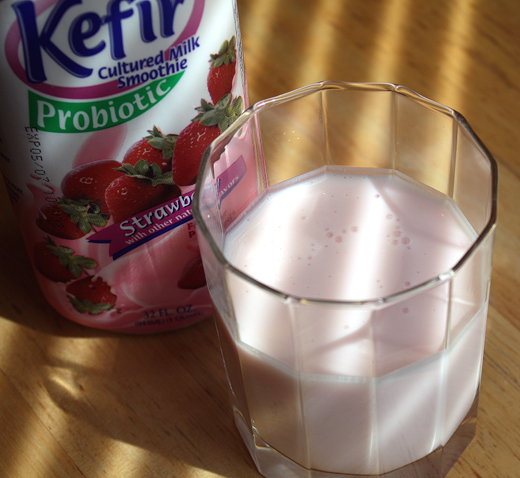
Forgive me, kefir, for I have sinned.

For years, I never tried you, never cared to, never even thought about it.

What can I say? There was just something about your name that turned me off.

I love your distant cousin, yogurt, whose name I’ve grown accustomed to saying effortlessly and joyously.

But you, kefir, every time I heard your name, I just turned the other way.

The tragedy.

I hope you can find it in your cultured, fermented heart to forgive me now, because thanks to the good folks at Lifeway, who cajoled and persisted with samples, I finally tried you.

And now — dare I say it — I ADORE you.

Read more

New Happy Hour, Good-For-You Granola, Seafood Fund-Raiser & More

On the Peninsula:

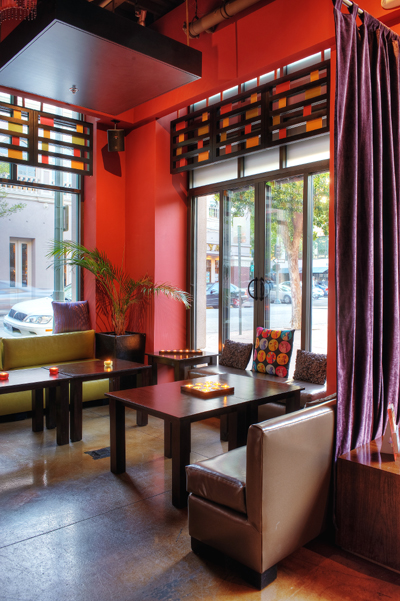
If you haven’t yet checked out Junnoon’s swank revamped cocktail lounge, now’s the time to do so at the downtown Palo Alto restaurant’s new extended “Happy Hour,” every Thursday, 5 p.m. to 7 p.m.

Starting June 17, the 15-seat lounge rolls out its new “Street Food Meets Bollywood Beats”, which will feature DJ tunes, two-for-one cocktails and Indian street food-inspired bites. Sip a Mumbai Mojito while nibbling on “Darjeeling Steamed Wontons” ($9) or “Tangy Semolina Shells” ($8).

June 25-26, Marché in Menlo Park will spotlight Pacific seafood on its menu with proceeds to benefit the Gulf Coast cleanup.

The four-course menu will include the likes of “Confit of Half Moon Bay Albacore with Olive Oil Pudding and Kalamata Granité” and “Hawaiian Mero Bass and Local Abalone with Porcinis.”

Price is $80 per person with an additional $59 for wine pairings. Ten dollars from each dinner sold will be donated to the Louisiana Bayoukeepers, members of the Waterkeeper Alliance, which have been the first line of defense against this oil leak disaster. Donations will help pay for clean-up supplies, protective gear, emergency office space and food for volunteers.

The Asian Chefs Association, which will be cooking up a storm at the James Beard House in New York on Oct. 4, will be preparing a preview dinner June 27 at Chef Chu’s restaurant in Los Altos.

The five-course dinner will give you a taste of what the chefs have up their toques even if you can’t make it to New York for the real deal. Dishes include crab Napoleon with Kobe beef and foie gras butter sauce by Jackson Yu of Live Sushi Bar in San Francisco; and kaffir lime broiled scallop with asparagus, gobo and corn pudding by Scott Whitman of Sushi Ran in Sausalito.

Price is $100 per person. Reservations must be made in advance by calling (510) 883-9386 or emailing chau@chilipepperevents.com.

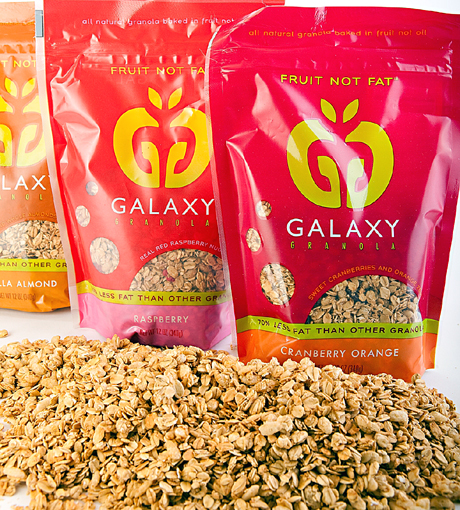
Galaxy Granola of San Rafael, which touts its healthful granola as having about 70 percent less fat than its competitors, wants you to trade in your fatty foods for good-for-you ones.

Read more

When Did Eating Get So Complex?

It’s complicated.

Boy, is it.

When it comes to eating these days, it seems like it’s never been harder to try to do the right thing.

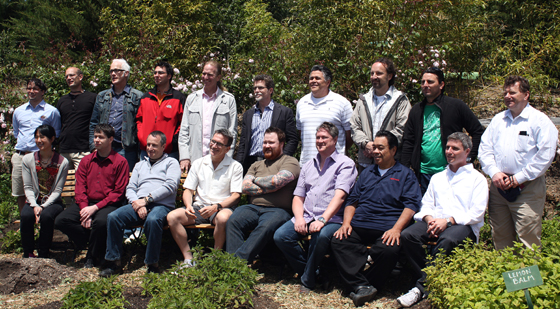
This past weekend at the Monterey Bay Aquarium, a bevy of journalists, scientists, environmentalists, farmers, chefs, and yours truly gathered together for the annual “Cooking For Solutions” event that’s dedicated to promoting sustainability on land, sea and air.

Chef Suzanne Goin of Lucques in Los Angeles was honored as “Chef of the Year” by the aquarium. And Chef Rick Bayless of Chicago’s Topolobampo and Frontera Grill was named “Educator of the Year.”

They were joined at the event by a roster of big-name chefs, including Rick Moonen of RM Seafood in Las Vegas; Kevin Gillespie of Woodfire Grill in Atlanta and “Top Chef” fame; Gerald Hirigoyen of Piperade and Bocadillos, both in San Francisco; Charles Phan of the Slanted Door in San Francisco; and Joanne Chang of Flour Bakery + Cafe in Boston.

The event was a festive affair with gourmet eats and drinks — all sustainable, organic or biodynamic, of course.  But it was also a sobering affair as experts weighed in on how our eating choices have affected the planet.

Food for thought:

Over the past 50 years, we’ve gone from consuming 10 kilos of fish per person annually to 17 kilos.

Half of our seafood consumption now comes from aquaculture, not wild species. Eighty percent of the fresh and frozen salmon consumed in the United States is farmed. Seventy-five percent of the shrimp consumed in the United States is farmed. A great majority of our farmed seafood is produced in Asia, where standards may be less stringent than in other parts of the world.

Most farmed fish are fed pellets made of fish meal. Although carp and tilapia can subsist on plant-based diets, about 50 percent of carp that’s farmed and more than 80 percent of tilapia that’s farmed end up being fed fish meal.

Fish farms in the ocean can lead to pollution, disease and escapement of these fish into the wild. But experts say that even on-land, enclosed fish farms have escapement issues with tiny fish making their way into drains.

Read more

« Older Entries Recent Entries »