Sponsored Post: What Lies Beneath? Plus A Food Gal Giveaway
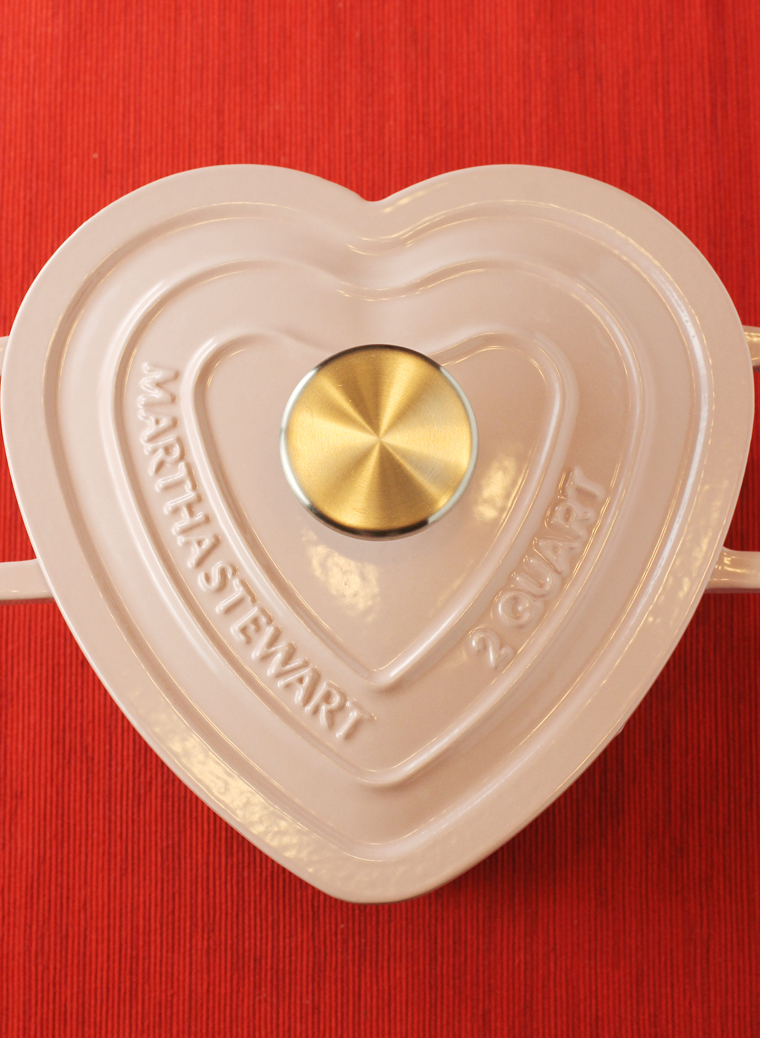
What deliciousness is inside of this?
Can you guess what lies beneath this lid?
A juicy berry crumble? Cornbread? An apple crisp? Maybe even a river of deepest, darkest chocolate pudding?

What deliciousness is inside of this?
Can you guess what lies beneath this lid?
A juicy berry crumble? Cornbread? An apple crisp? Maybe even a river of deepest, darkest chocolate pudding?
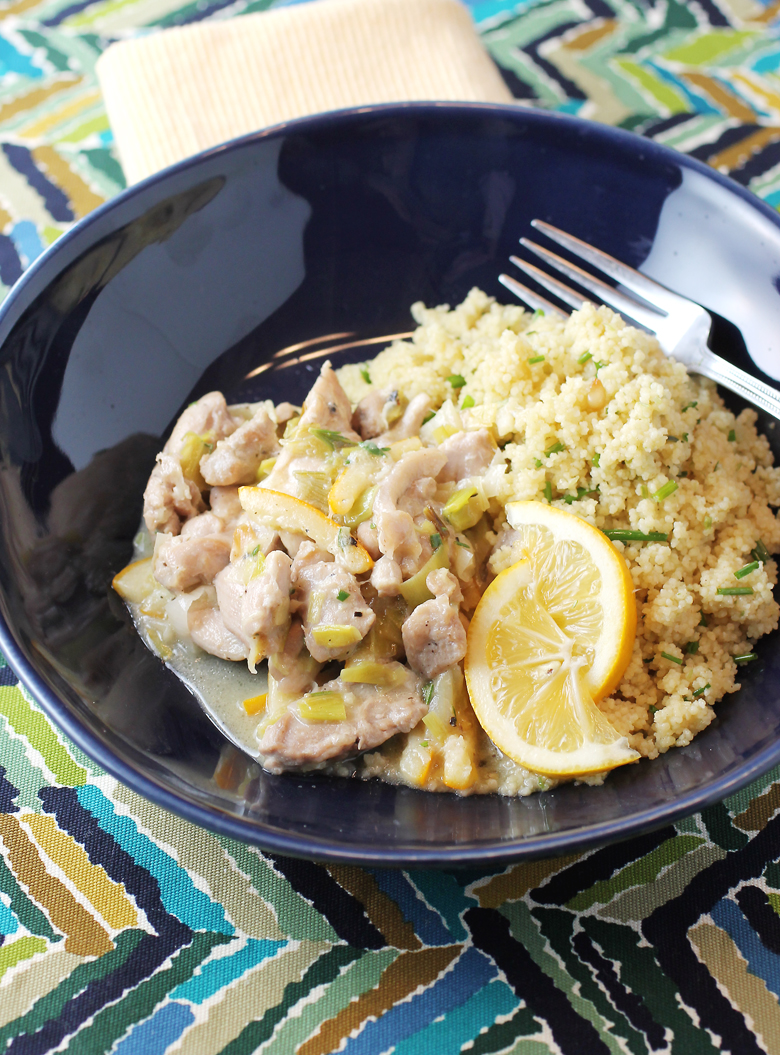
This is what I call an ideal lemon chicken.
Lemon chicken may be a mainstay of Chinese restaurant menus, but I never order it.
Battered to oblivion, and tossed with a gloppy sauce that tastes more of sugar than citrus, it just doesn’t appeal.
Melissa Clark’s “Sauteed Chicken with Meyer Lemon,” however, is much more my style.
The veteran cookbook author and New York Times food writer does swaps out the deep-frying for stir-frying instead. That means this dish comes together in no time and with no mess.
What’s more, you can really taste the fresh, bright Meyer lemon in this dish.
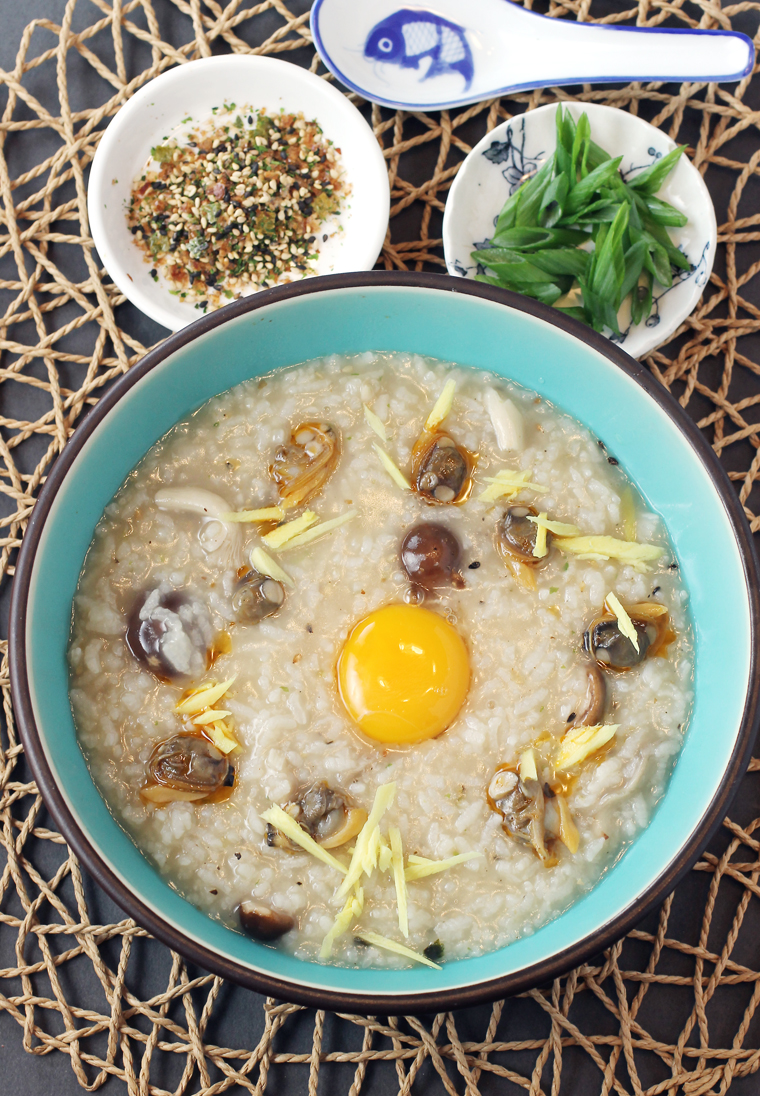
Tuck into a big bowl of clam juk by David Chang.
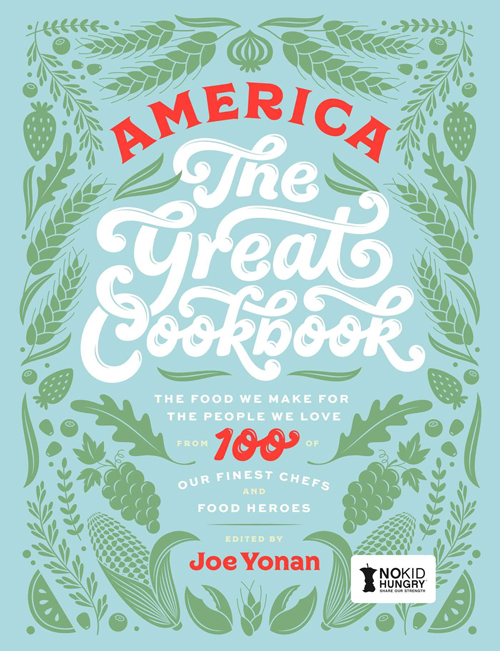
If ever a book captures just what a delicious, beautiful and bountiful buffet of cultures and peoples we are, “America The Great Cookbook” does.
The cookbook (Welden Owen), of which I received a review copy, was edited by Joe Yonan, food and dining editor at the Washington Post. It features iconic recipes from 100 of America’s best chefs and food heroes.
What is American food? It is “Creole Gumbo” by Leah Chase of Dooky Chase’s Restaurant in New Orleans. It is “Yun-Hui (My Mother’s) Red-Cooked Pork” by Cecilia Chiang, ground-breaking San Francisco restaurateur. It is “Maple-Glazed Roasted Acorn Squash with Toasted Pepitas” by Sean Sherman, founder of The Sioux Chef in Minneapolis. It is “Soft-Shell Crabs with Shishito Mole, Roasted Tomatoes, and Lemon Balm” by Daniela Soto-Innes, chef of Cosme in New York. It is “Baklava Cheesecake” by food blogger Amanda Saab, founder of “Dinner with Your Muslim Neighbor.” And it is so much more.
For me, Asian rice porridge, congee or jook (or juk) is a comforting taste of America, because I’ve grown up enjoying it here. I’ve spooned up its thick, creamy deliciousness countless times when my Mother would make it, typically after Thanksgiving, using the turkey carcass as the base for its broth. Or anytime my stomach was upset, when she would whip it up to soothe me.
“Clam Juk” is by New York’s David Chang, chef and founder of Momofuku. It’s a slightly more fanciful version of the basic congee, with its addition of pickled clams, which are quite easy to make.
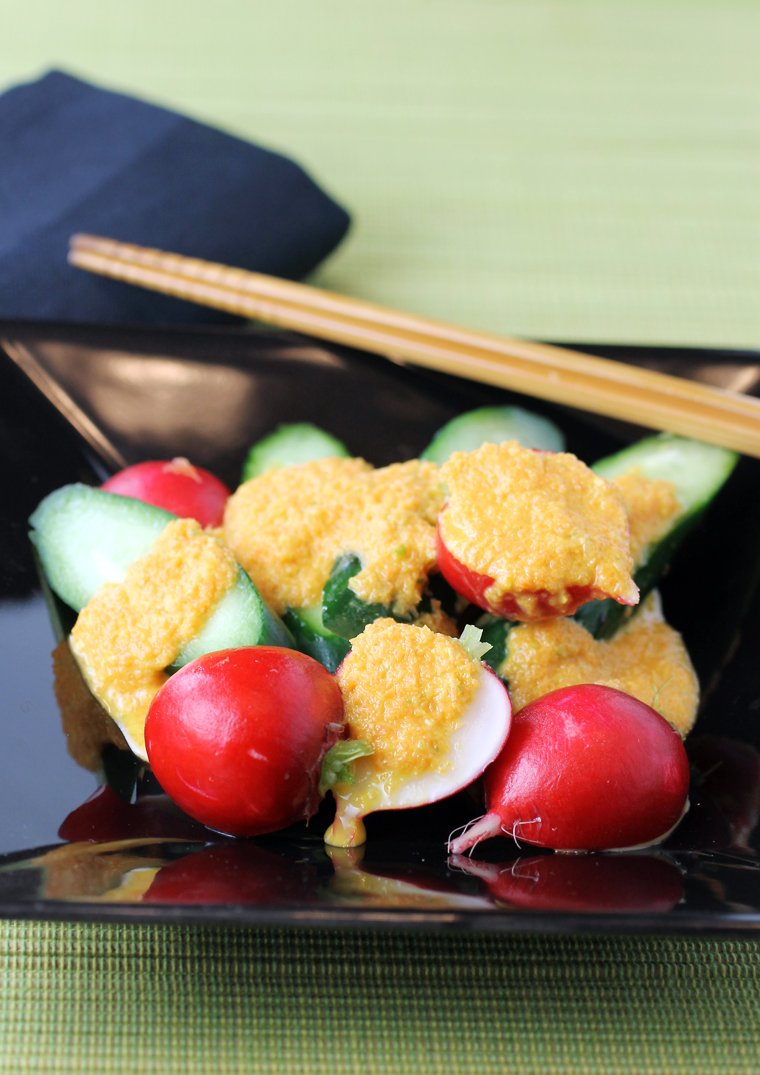
A healthier take on your favorite Japanese restaurant salad dressing.
My friends and relatives have been known to ask for extra dressing on their salads at Japanese restaurants. That’s how much they love its creamy, nutty taste.
Of course, drowning your greens in dressing, and probably one made with a generous amount of Kewpie mayo, may not be the most heart-healthy action.
That’s why they’re sure to be as glad as I am to find this alternative recipe that has all the delightful flavor they’re accustomed to, but makes use of canola oil and carrots to create its sweet creaminess.
“Ginger Carrot Fixer” is from “Secret Sauces” (Kyle), of which I received a review copy. The book, which contains 65 recipes, is by Vanessa Seder, a recipe developer and tester for cookbooks, and magazines including Martha Stewart Living, Ladies’ Home Journal, and Cooking Light.
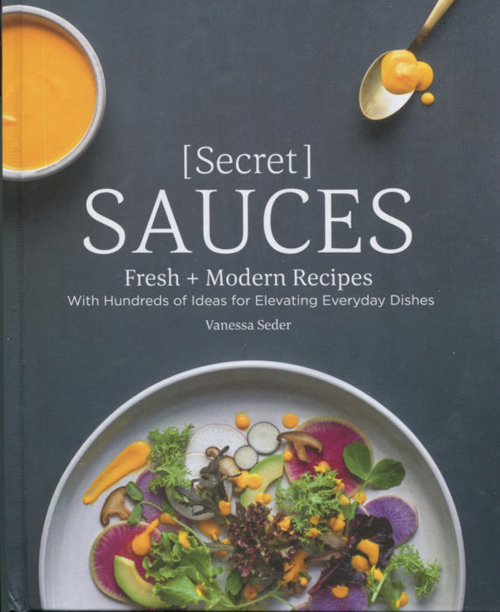
She understands how a great sauce can transform even the most basic of ingredients — be it “Avocado Green Goddess,” “Fig and Balsamic Agrodolce,” “Waikiki Teriyake,” “Secret Ingredient Caramel” and many more. Seder also provides recommendations on what to use each sauce for.
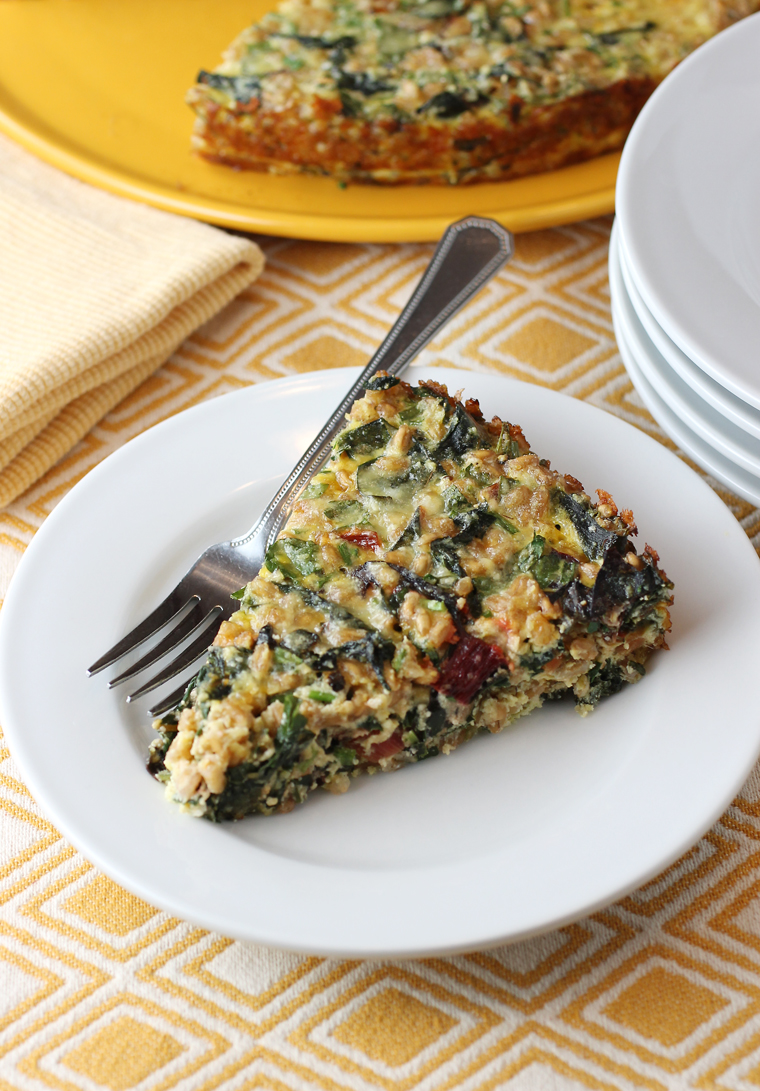
A most versatile torta filled with eggs, veggies, fresh herbs and nutty farro.
Is it a frittata? Or a quiche?
It’s a hybrid that is definitely authentic.
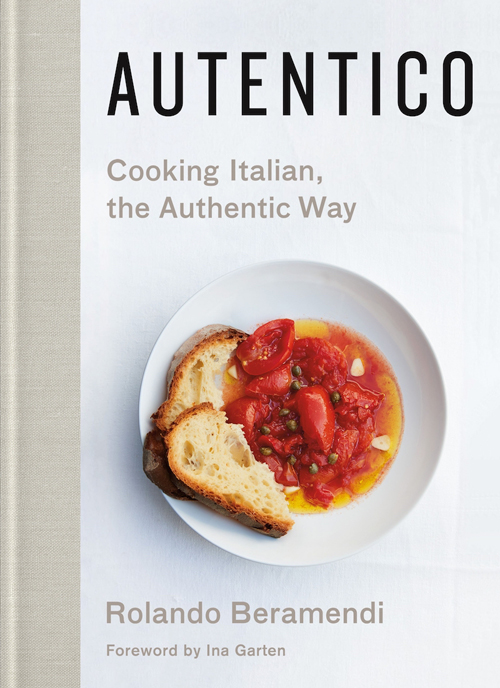
After all, “Farro Torta” comes from the new cookbook, “Autentico: Cooking Italian, the Authentic Way” (St. Martin’s), of which I received a review copy.
It’s by Rolando Beramendi, founder of Italian fine food importer Manicaretti, who splits his time between San Francisco, New York and Florence. His expertise on all things Italian has been lauded by the likes of Ina Garten, Alice Waters, Thomas Keller, and Nancy Silverton.
As he writes in the intro of the book: “I cook food in its most authentic form. I cook to break preconceived notions of what food should be — no overcrowded plates, no recipes with too many disparate ingredients, no out-of-season ingredients, no need for a lot of equipment. I make no-fuss food for my guests and myself that nourishes both hearts and our stomachs.”