This is bound to be your new favorite summer salad.
If like me, you can’t get enough of nuoc cham — that zesty, indispensable Vietnamese dipping sauce for spring rolls, rice noodle salads, and so much more — you will go bonkers for this summery tomato and grain salad.
“Farro and Tomato Salad with Fish-Sauce Vinaigrette” takes a dressing with a similar profile as nuoc cham — minus the lime juice — to dress a colorful, bountiful mix of chewy, nutty farro grains with fresh heirloom tomatoes, crunchy cucumbers, and a lavish amount of fresh parsley and tarragon leaves.
The recipe is from Chef Joshua McFadden of Ava Gene’s in Portland, as published in Bon Appetit magazine.
Beautifully golden rolls swirled with cinnamon sugar and tahini.
In the early days of shelter-in-place, I felt as if I was living through a “Seinfeld” episode.
Specifically, the one where Elaine is beside herself when she learns her favorite contraceptive sponge is being discontinued. Guarding her precious remaining supply tightly, she’d pick apart any new suitor to determine if they were indeed “sponge-worthy.”
I did the same — only with yeast. Because it was scarce at supermarkets and I had only three packets left, I found myself loathe to try any new recipes using yeast lest they turn out to be disappointing failures.
After all, I simply couldn’t afford to waste those few precious packets. So, I made only tried-and-true recipes that I knew were absolutely, without a doubt, yeast-worthy.
Until now. Three weeks ago, my husband miraculously scored yeast at Whole Foods. Hallelujah!
Now, restocked and raring to go, I couldn’t wait to try some new recipes that used yeast. The first one to catch my eye was “Sweet Tahini Rolls” from the new cookbook, “Falastin: A Cookbook” (Ten Speed Press), of which I received a review copy.
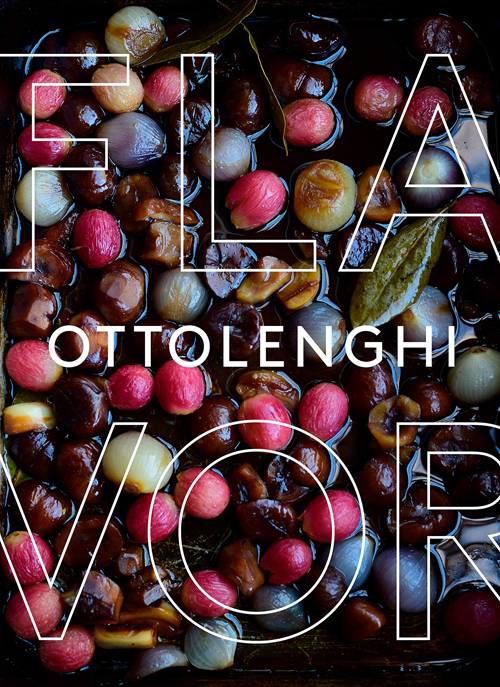
The book is by Sami Tamimi, executive chef and founding partner of the Ottolenghi restaurant group, and Tara Wigley, a long-time Ottolenghi recipe writer. They titled the cookbook, “Falastin,” after the Palestinian newspaper that brought diverse people together.
Fortunately, a sample landed in my mailbox recently, and I’ve been using it liberally on thick asparagus spears, summer squash, and even fresh popped popcorn (for all those Netflix nights, of course).
The olive oil is made by the Yocha Dehe Wintuan Nation, which sustainably manages more than 22,000 acres on its tribal land in the Capay Valley.
Encina Farms Iberian pork loin chops grilled with just salt and pepper.
Since last summer, Helmut Drews, a former tech acquisitions specialist, and Madrid-native Alberto Solis, a founder of the San Mateo incubator kitchen known as KitchenTown, have been cultivating a dream.
They have been raising Iberian pigs on their Encina Farms, the only commercial endeavor of its kind in California nurturing these specialty Spanish swines from which the luxurious jamon Iberico derives.
While Encina Farms’ own jamon Iberico is still a few years off — it takes a minimum of two years to cure the buttery ham leg — other pork products made from this distinctive black-footed, acorn-devouring breed can be enjoyed now.
The farm also offers limited delivery in the Bay Area, plus shipping to other parts of California, as well as Arizona, Oregon and Washington.
After writing a story about the founding of the farm last year for the San Francisco Chronicle, I was eager to try the pork for myself, so I splurged on a shipment.
Fresh Italian romano beans — cooked perfectly for a crazy amount of time.
The first time I came across this recipe for romano beans, I did a double-take.
Even then, I couldn’t quite believe it.
That’s because it calls for cooking these meaty Italian broad beans on the stove-top for two hours. Yes, fresh beans, not dried, cooked for two whole hours.
Surely, the chef who created the most perfect roast chicken of all time and so many other iconic California cuisine staples was worth trusting on this, even if in the back of my mind, I feared winding up with green beans as pallid as those from a can.