Creating A Tomato to Call His Own

It takes sharp eyes, a steady hand, good tweezers, and loads of patience to create a new tomato from scratch.

But Fred Hempel, a geneticist turned farmer, has a knack for it. Owner of the 9 1/2-acre Baia Nicchia Farm in Sunol, he’s already created and named 10 new varieties of tomatoes over the years. You might already have tried a few, as he sells his seeds to Seeds of Change, the certified organic seed supplier, which in turn makes them available to gardeners across the nation.

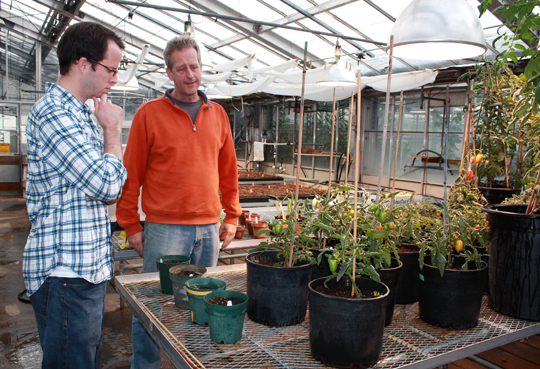
Hempel invited me to his rented greenhouse in Berkeley recently to watch him work his magic on his newest project — a signature tomato for Chef Guillaume Bienaime of Marché restaurant in Menlo Park.

Bienaime, who accompanied us that day, has been buying all his tomatoes, as well as winter squash, lettuces, lake, mustard greens and chard for the restaurant from Hempel for the past two years. Hempel grows about 30 different types of tomatoes, many of which you’ll find available in the summer at the Menlo Park Sunday farmers market. But Bienaime has been eager to add another to Hempel’s lineup, which will be available exclusively to him.

“I just thought it would be fun to create something that’s my own,” Bienaime says. “I’m not sure what I’ll call it yet, though.”
That’s OK, because he’s got plenty of time to mull over names. Forget a nine-month gestation period. It will take seven generations after crossing breeds for this baby to develop into a consistent tomato. Hempel can speed that up a little because he makes use of a greenhouse. Even so, it still will be about 2 1/2 to 3 years before Bienaime’s tomato fully comes to fruition.

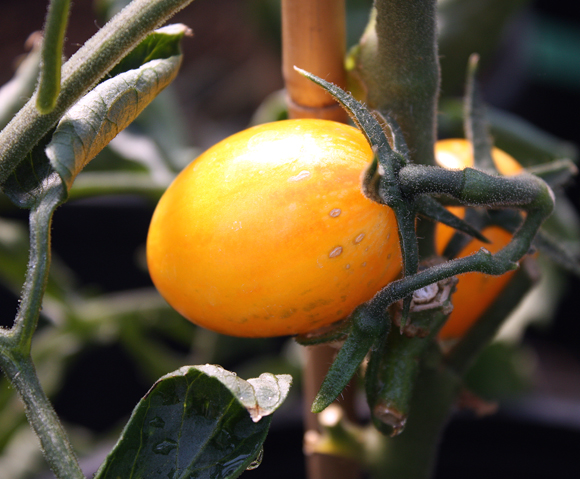
Bienaime already knows what tomatoes he wants to cross to create his own: the Amana orange, a large, low-acid heirloom from Iowa that has the ability to hold well for three or four days even after it reaches peak ripeness; and the Costoluto Genovese, an Italian red heirloom from Genoa that’s squat with ridges like a pumpkin, and boasts magnificent flavor.

What the end result will look and taste like, though, is anyone’s guess.

“You just don’t know what you get until you cross them,” Bienaime says.
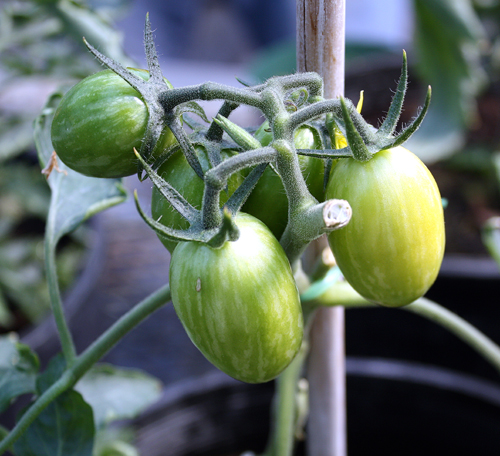
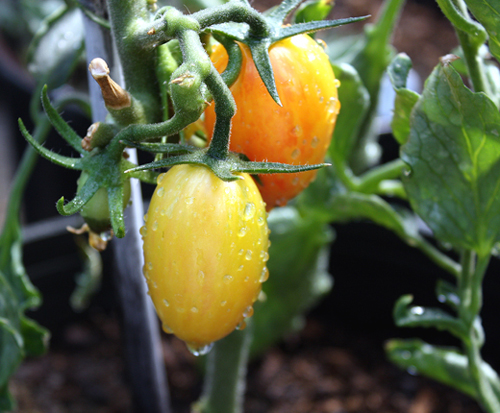
The greenhouse is where Hempel does his cross-breeding. Inside, where it’s balmy and bright, containers of lovely, elongated cherry tomatoes of every hue are growing, even though it’s still gray and chilly outside. The tomatoes that grow here can’t be assessed accurately for flavor because nurturing them under artificial lights doesn’t result in a flavor as developed as they would have if planted outside in a field. However, Hempel can tell if he’s on the right track or not just from the look of the tomatoes. Plumpness is an indicator of good flavor, he explains.
Read more


Beautiful Bubbles for Valentine’s Day

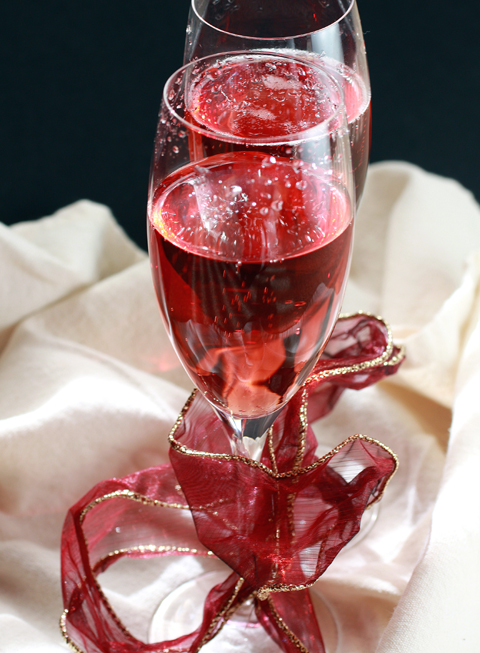
Valentine’s Day calls for a glass or two of bubbly.

And a vibrant, rosy pink-hued sparkler is sure to up the festive factor even more.

Spain’s Freixenet has created a pretty new sparkling wine made with Pinot Noir grapes blended with a touch of the Spanish grape, Trepat.

I had a chance to try a sample bottle of the Elyssia Pinot Noir Brut ($18), which is made in the traditional methodé champenoise style.

The bottle is tres chic. In the glass, the sparkling wine has big, plentiful bubbles. Quite dry, Elyssia has flavors of cherry, raspberry and toast.

Read more


A Simple Stir-Fry with Big Bang

You’ve all probably had this experience: You spy a dress or jacket on a rack that doesn’t really look all that special. But you tote it to the dressing room, just for the heck of it, without any real expectations.

There, you slip it on, and it reveals itself to be not only flattering, but downright transformative.

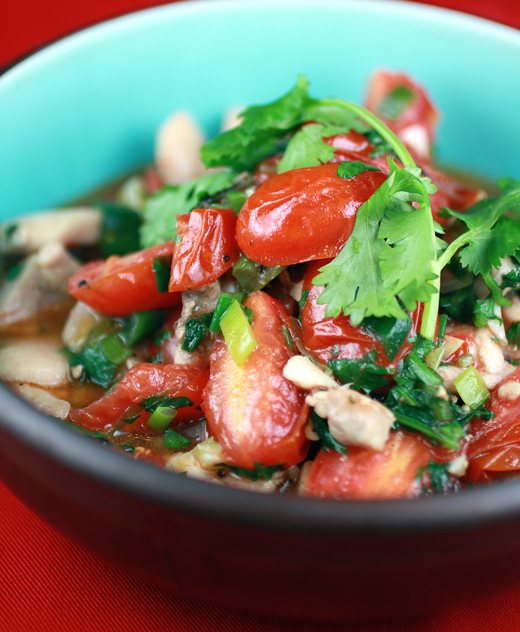
This recipe for “Stir Fried Chicken with Tomatoes” is like that piece of clothing. It’s a simple stir-fry that doesn’t look like much on the page. In fact, it’s one of those recipes that you’re likely to just flip right over in a cookbook.

But what a mistake that would be.

Read more

Dungeness Crab Fest

Through February, the Bay Area’s Lark Creek Restaurant Group spotlights the sweet, fluffy, delicate deliciousness of crab in its 21st annual “Dungeness Crab Festival.”

Get your fill of this irresistible and sustainable seafood as chefs at each restaurant showcase distinctive and creative dishes all about crab.

At LarkCreekSteak in San Francisco, steps from the Hotel Palomar, Chef John Ledbetter is offering the likes of Dungeness crab and chorizo gumbo.

At One Market Restaurant in San Francisco, not far from the Hyatt Regency, Chef Mark Dommen is whipping up house-made cavatelli with Dungeness crab, artichokes, basil and Meyer lemon.

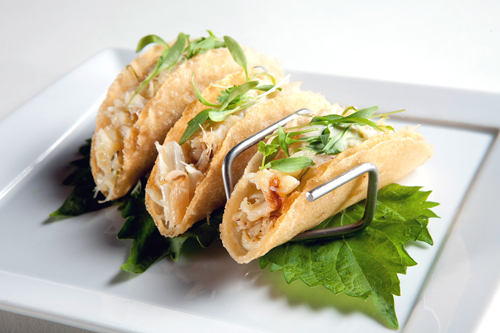
At Yankee Pier in Santana Row in San Jose, Chef Gary Rust is turning out Dungeness crab tacos with tomatillo salsa, cumin sour cream and handmade tortillas.

Read more

Artsy Chocolates

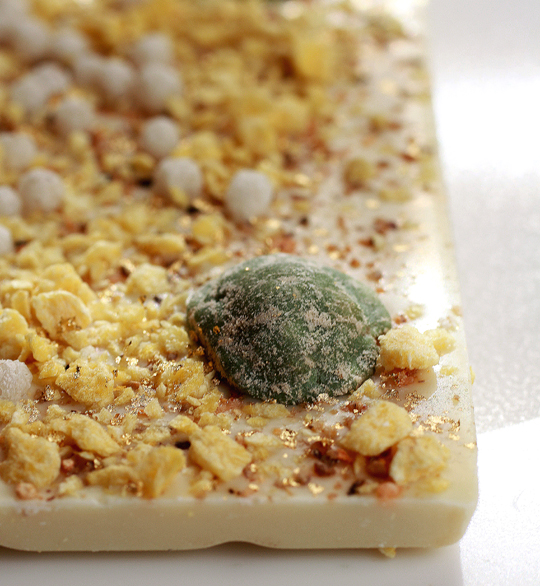
Meet my edible fossil.

It looks like one doesn’t it? What with all those strange embedded pebble-like pieces stuck in it, right?

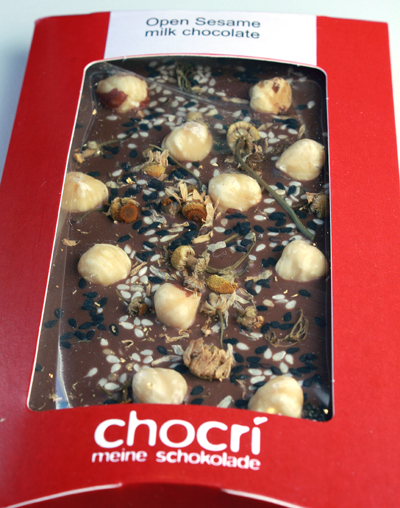
In reality, it’s a custom chocolate bar decked out like some eerie moonscape with my own chosen ingredients. In this case, a white chocolate bar strewn with an eclectic mix of orange pepper, Rice Crispies, dried orange, gold flakes and a few rather bulbous wasabi peanuts.

German chocolate start-up, Chocri, has just expanded to the U.S. market to let chocoholics design their own white, milk and dark chocolate bars with more than 100 different toppings. Yes, we’re talking everything from bacon to cheese-curry cashews to paradise grains to plum bits to organic mint leaves. Apparently, more than 10 billion combinations are possible. I’ll let you do the math.

The bars are made of organic, Fair Trade chocolate from Belgium, and many of the ingredient options are organic.

Chocri reps invited me to try three complimentary bars recently. The step-by-step design process on the Web site is straight-forward. You choose your base bar, then go to town on the toppings, choosing up to five for each 6-by-3-inch bar. You can even give your bar a name, too.

It takes about two weeks to receive your chocolate bars, which are shipped from Germany. They’re not necessarily inexpensive — my three bars were valued at a total cost of $35. One percent of every purchase is donated to DIV Kinder, an organization that supports children on the Ivory Coast, the largest exporter of cocoa beans in the world. To date, Chocri donations have helped build a well, buy refrigerators and build an orphanage there.

As with custom-burger restaurants, if you hate the end product, you have no one but yourself to blame for choosing the toppings that you did. But it sure is fun to get inventive.

I’ll use my patented scale of 1 to 10 lip-smackers to critique my own creations, with 1 being the “Bleh, save your money” far end of the spectrum; 5 being the “I’m not sure I’d buy it, but if it was just there, I might nibble some” middle-of-the-road response; and 10 being the “My gawd, I could die now and never be happier, because this is the best thing I’ve ever put in my mouth” supreme ranking.

Read more

« Older Entries Recent Entries »