
Gourmet Getaway to the Mendocino Region, Part I: Michelin Two-Starred Harbor House Inn
From the first time I dined at Harbor House Inn in 2018 before it officially opened to the public to my most recent visit this month, it remains to me the restaurant that most thoroughly embodies a true sense of place.
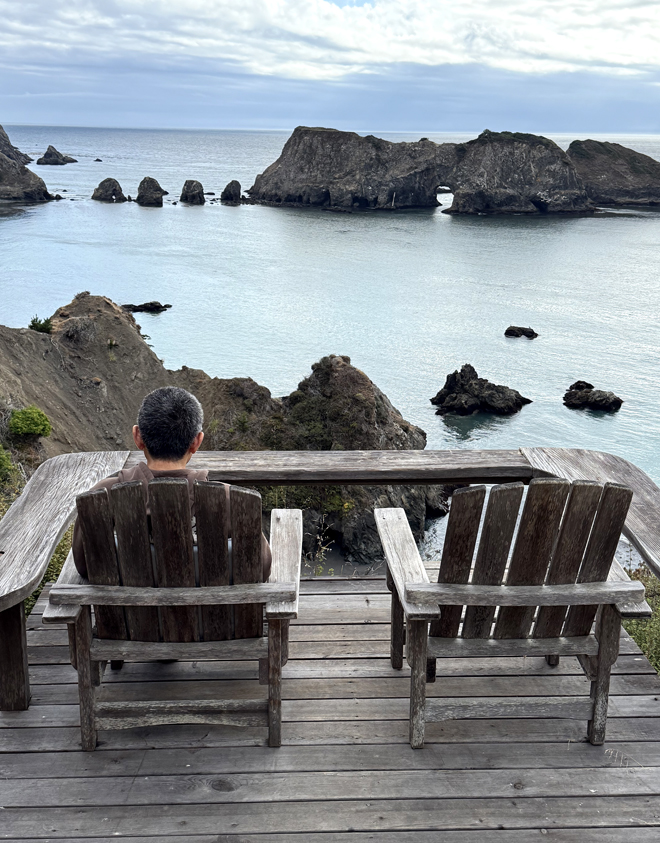
Maybe it’s partly the secluded setting in tiny Elk, a three hours’ drive north out of congested San Francisco through peaceful winding roads of bucolic vineyards and towering redwoods, that somehow vanquishes any of life’s troubles, worries or stresses. Maybe it’s the view from the property of the rugged coastline overlooking Wharf Rock East Arch, the dramatic rock formation bored through by centuries of powerful, unrelenting Pacific waves. And maybe it’s the vision and execution by Executive Chef Matthew Kammerer and his team, who have gone to great lengths to spotlight ingredients, plateware, and decor that are distinctly of the land and sea there.
It all adds up to terroir personified, creating a truly immersive and transportive experience.
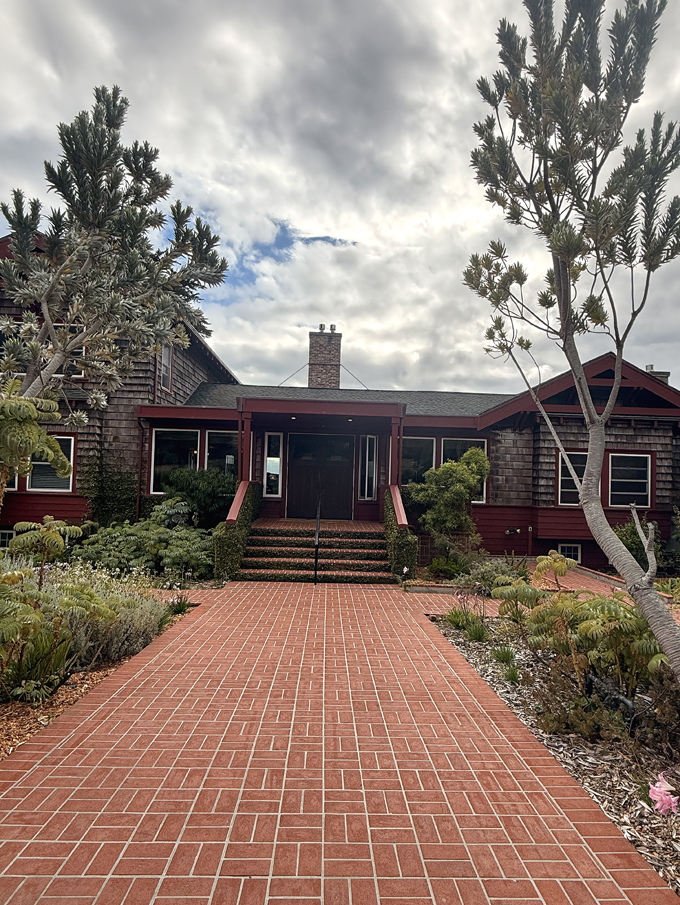
Of course, few Michelin two-starred experiences come at a modest price. Harbor House Inn’s tasting menu is $325 per person. If you elect to stay overnight in one of its 11 rooms or cottages, a wise choice given that there are few other accommodations close by, it will run you a minimum of $500 per night. Make the splurge, though, and you’re in for a most memorable occasion.
After checking in, take a stroll around the grounds, which also helped earned the inn a Michelin Green Star for its sustainability initiatives, including producing all of its electricity from solar and geothermal sources.
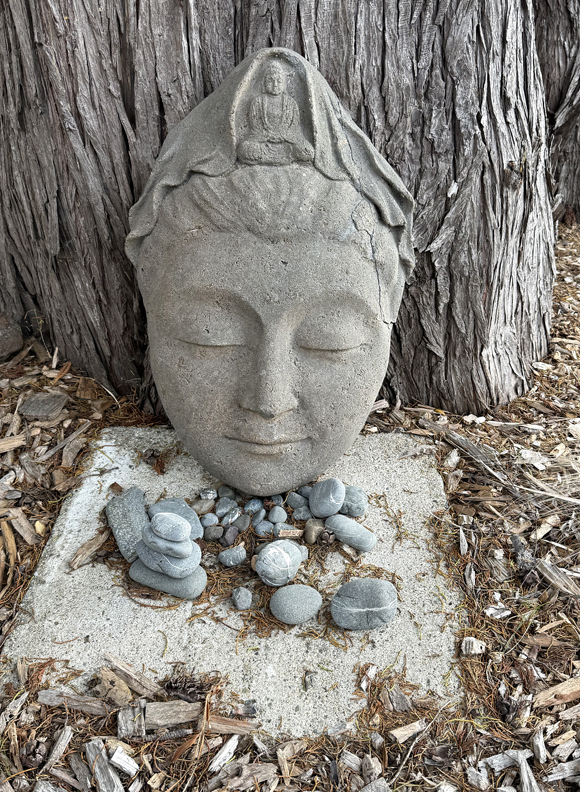
While the restaurant has its own farm south of Point Arena, where it grows produce and raises cattle and poultry, there are also herb beds on the property. You can walk down to the beach below via a staircase that gets pretty steep at the end, so just be sure to wear sturdy footwear. Stroll along the windswept sand dotted with shells, breathe in the salty air, and feel the ocean mist against your skin.
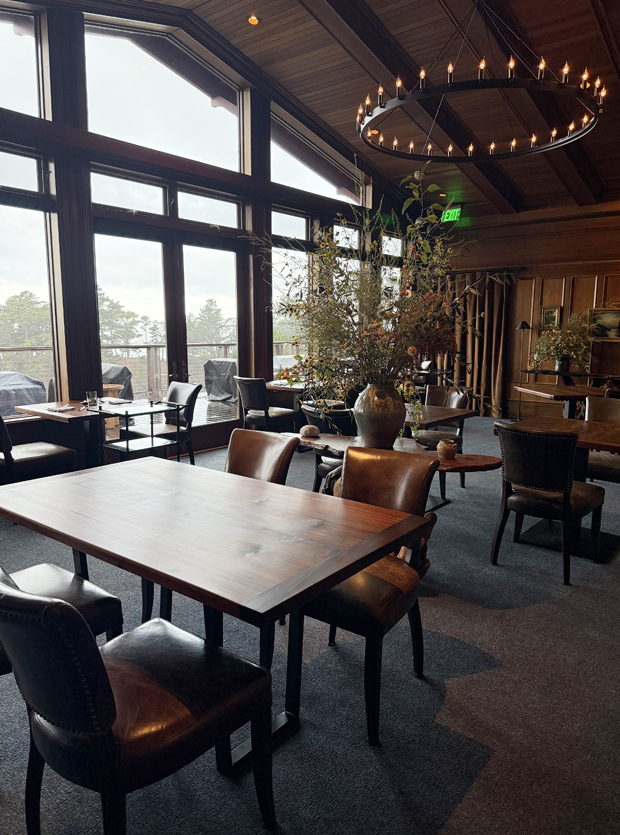
Newly refreshed, get changed and ready for the dinner that awaits in the Craftsman-style dining room, done up in rich redwood, as befitting the 1916 property that was originally built by the Goodyear Redwood Company. The fireplace is aglow for the evening, and abalone shells decorate the top of one wall, while the back wall offers up a nearly floor-to-ceiling vista of the ocean.
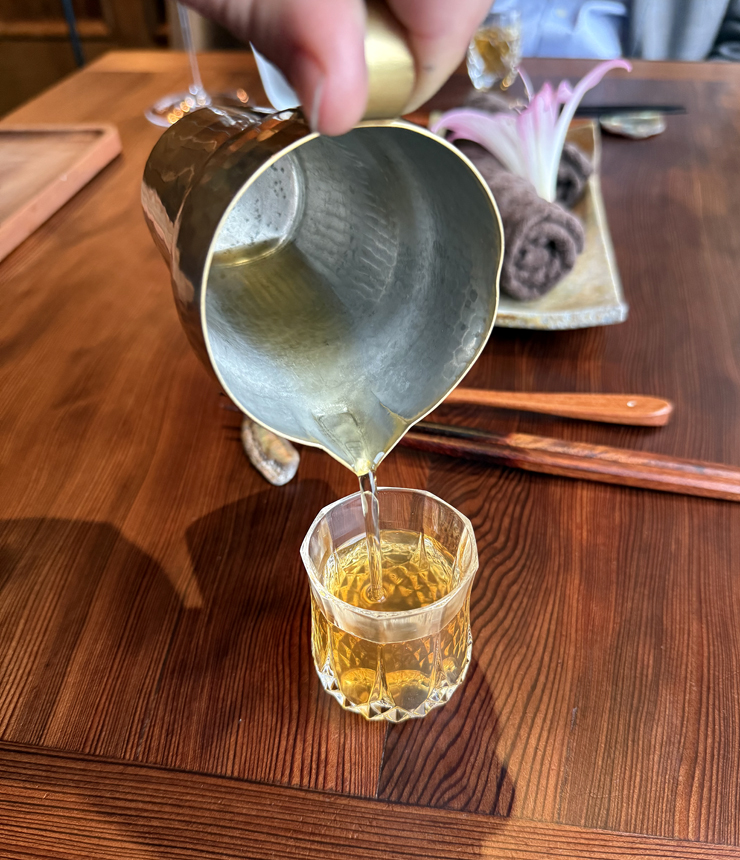
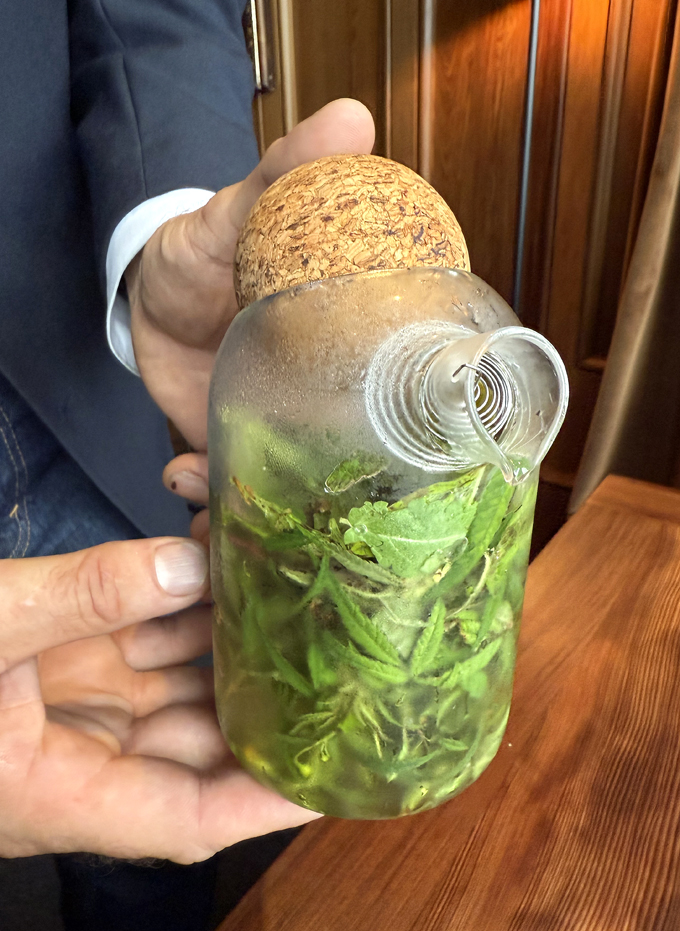
For beverages, there is a wine pairing ($300); a spirit-free pairing ($125); and a hybrid pairing ($195), which I chose that includes some wines but also some very creative non-alcoholic drinks.
Kammerer was an executive sous chef at San Francisco’s Saison when it held three Michelin stars. What he’s doing at Harbor House in crafting coastal cuisine with reverential Japanese touches makes you think a third star is easily within his grasp in the future.
A warm cup of dashi is poured to welcome you. Infused with sea vegetables, plus seaweed harvested from the beach that’s been dried into nori, it’s soothing with a briny taste rich in umami.
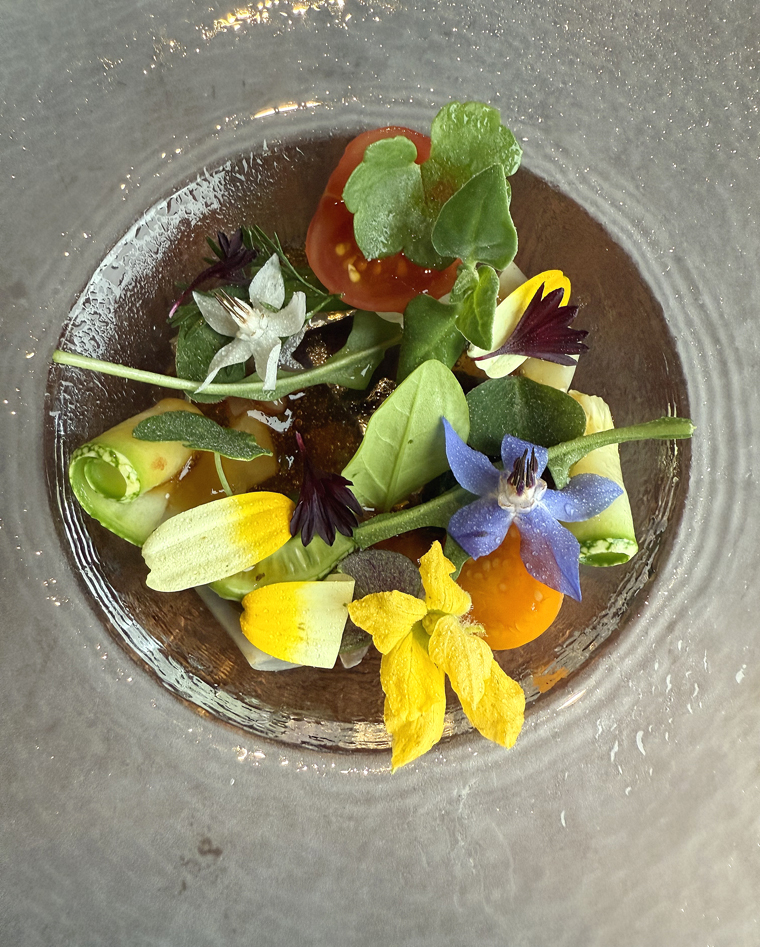
That’s followed by my first non-alcoholic pairing, a tangy verjus drink infused with garden herbs, which echoes the flavors of the first dish to arrive: chilled squash, beans, and cucumbers from the restaurant’s farm that have been poached. A server pours over a cow parsnip oil that tastes like it has a touch of soy sauce, lightly coating the vegetables that are crisp-tender.
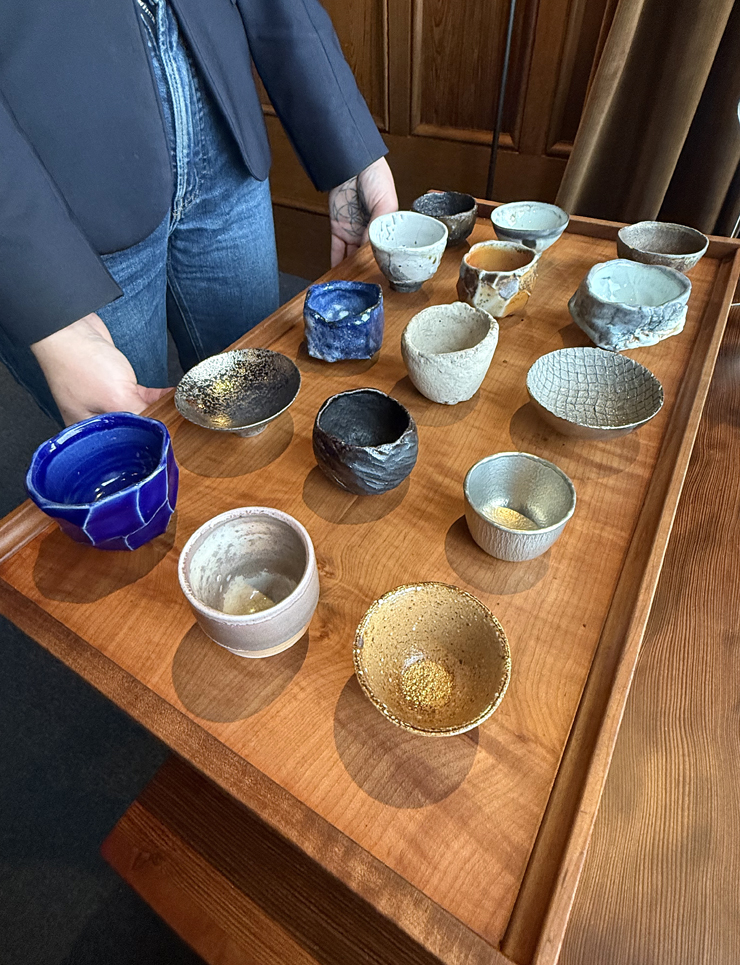
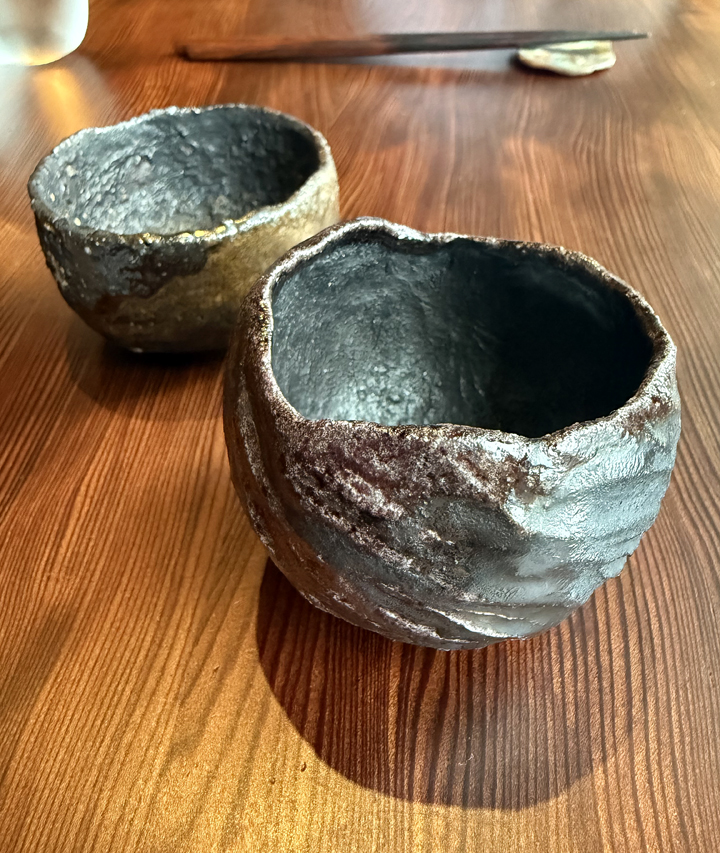
You’re presented with a tray of sake cups, and asked to pick one to use. My husband and I both choose two handmade by the chef, one incorporating sand from the beach below, and another made with sand from Navarro Beach.
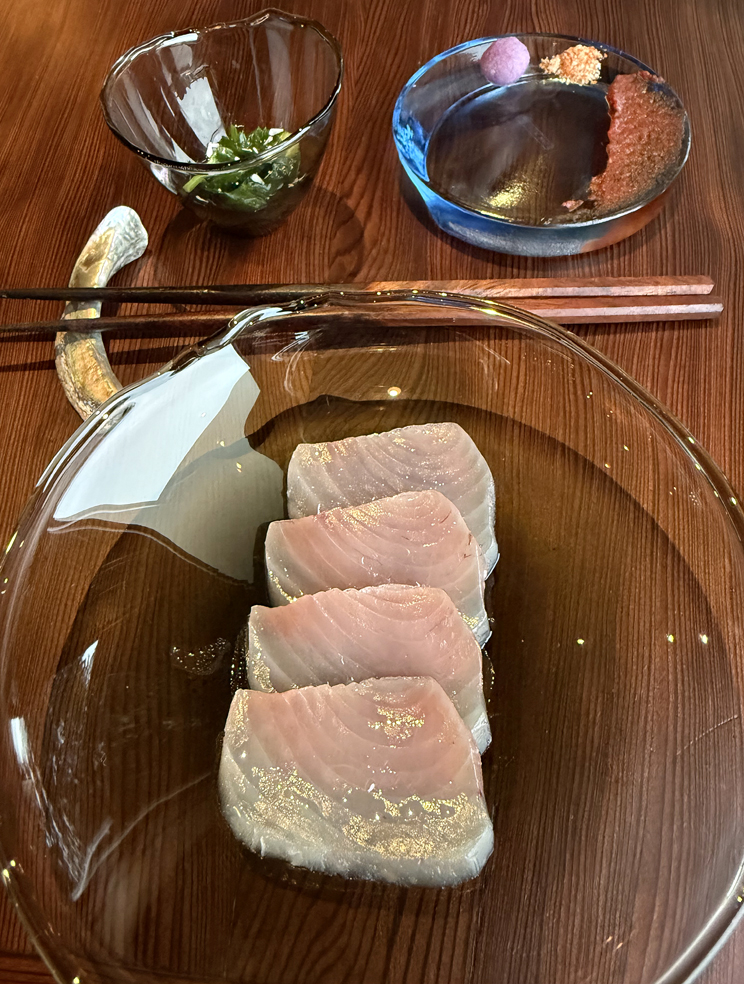
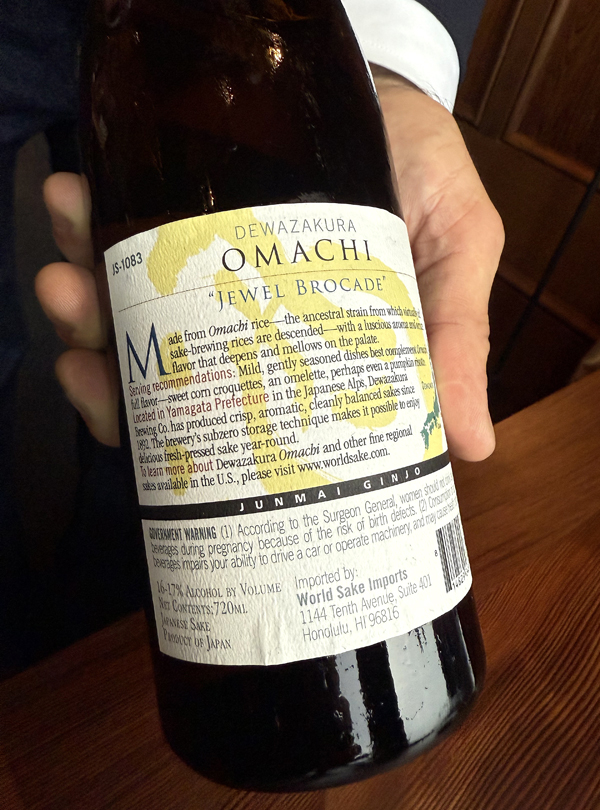
The junmai ginjo is served with slices of Fort Bragg albacore sashimi, almost luminously translucent and so silky tasting. You’re advised to eat one slice as is, then to enjoy the rest with the accompanying condiments of grated purple daikon that acts as a peppery yet milder wasabi, salt made with cherry tomato skins, and a swipe of concentrated tomato paste. Lastly, a glass bowl holds chrysanthemum greens and zingy tomato water. Drink up to savor the clarity of the essence of a perfect summer tomato.
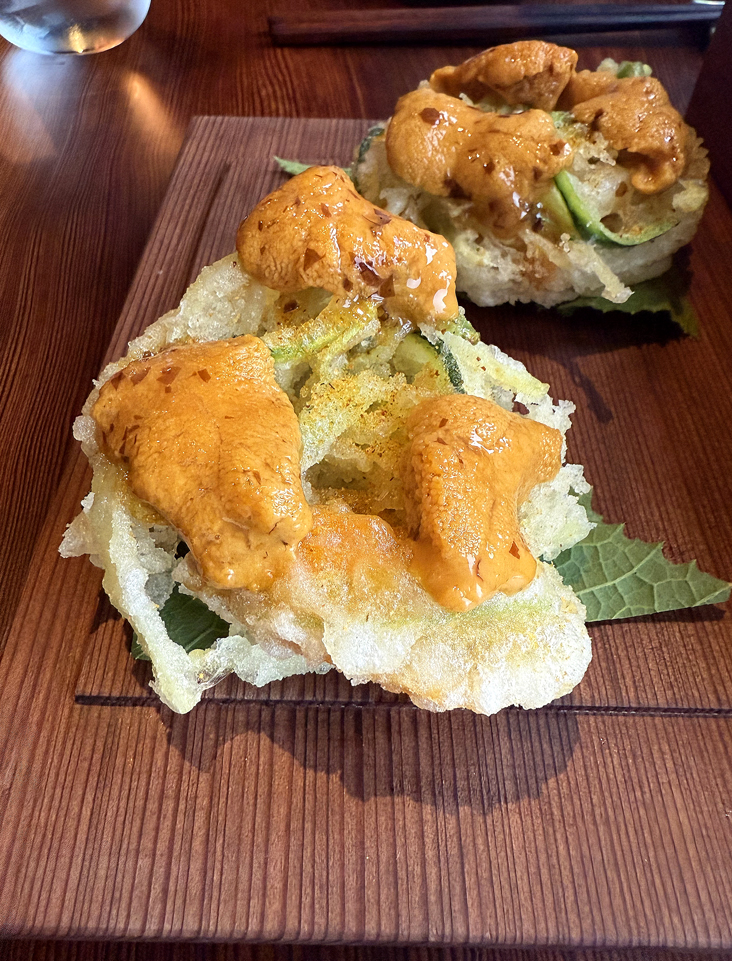
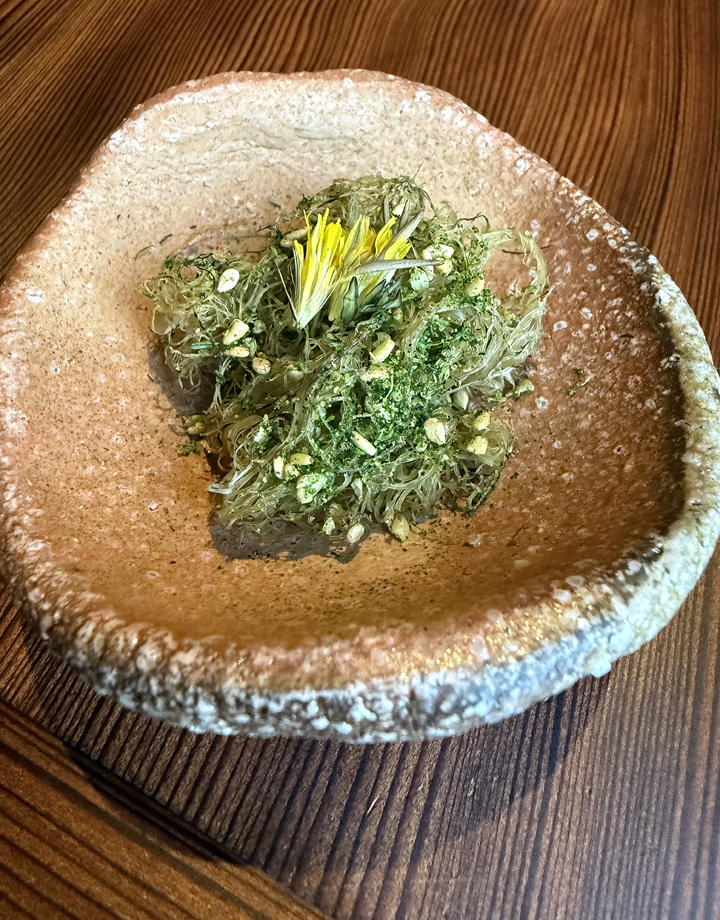
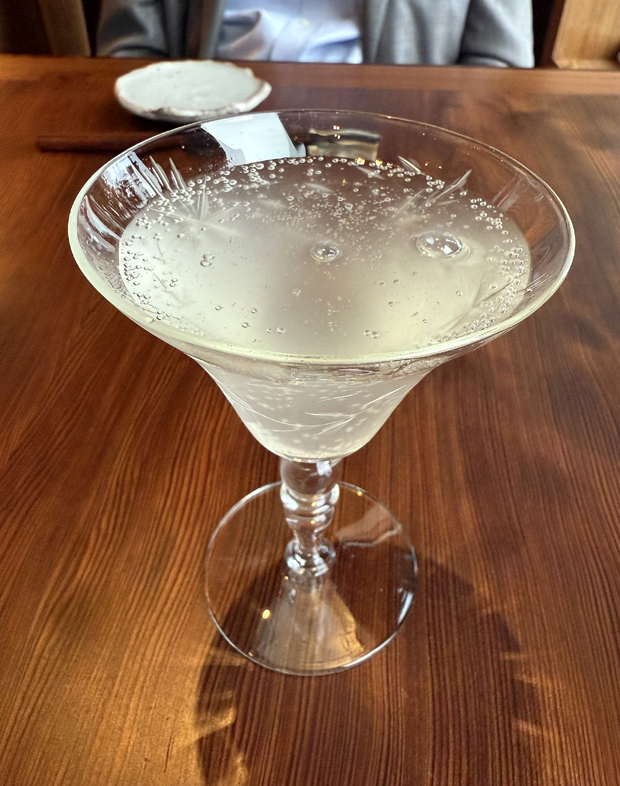
Fizzy, sweet, and fruity, a verjus and ume syrup spritz can be sipped alongside an outstanding squash blossom that’s fried tempura-style. Etherealy light and crispy, it gets topped with creamy lobes of sea urchin. It’s accompanied by something I’ve never had before — lichen. The fine algae filaments are a little fluffy with the taste of seaweed from the accent of nori.
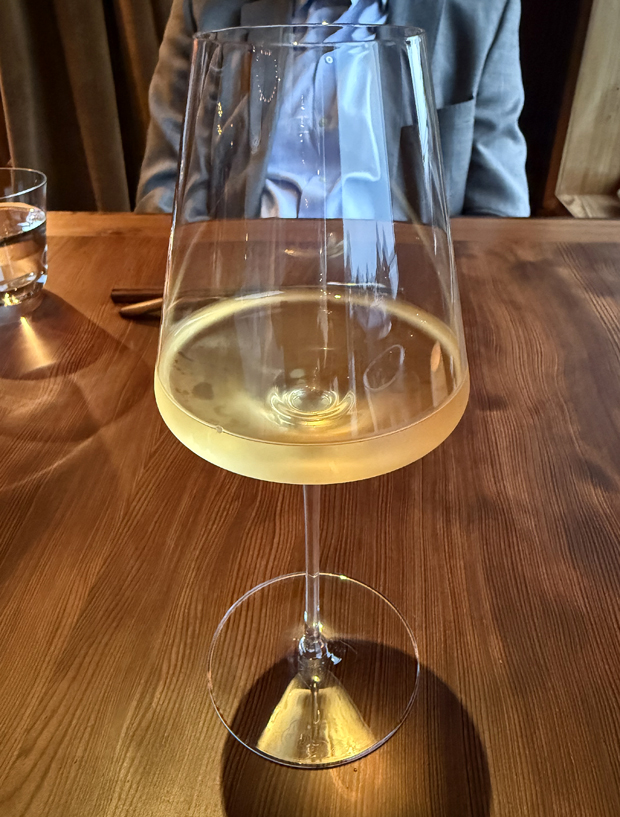
The next beverage is marigold kombucha, made by macerating the leaves and the flowers. The first sip blows your mind; it’s as if an entire flower had just unfurled its petals inside your mouth.
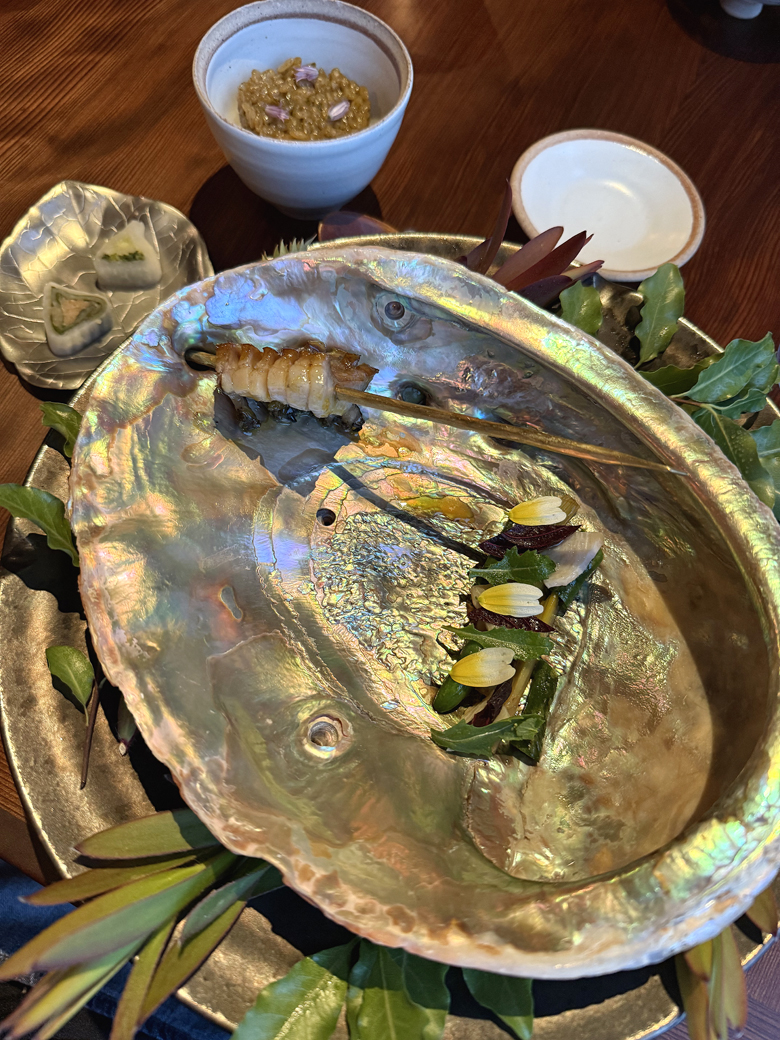
Abalone has been a staple since Harbor House opened. I’ve had abalone at a good number of restaurants. I’ve even cooked it at home. But this version is unequivocally the best I’ve ever had. It’s served threaded onto a small brass skewer that rests off to one side of a large abalone shell. Turns out the brass gets heated to the perfect temperature to cook the interior of the abalone, leaving it unbelievably tender, while the edges get crispy. A delicious smokiness is imparted in the process, too. The abalone is brushed with egg yolk and miso made from leftover sourdough bread that adds subtle richness and a boost of umami, so that the abalone tastes even more of abalone.
It’s served with the abductor muscle of the abalone garnished with beans and wasabi. Alongside are pickles, as well as buttery tasting koshihikari rice cooked with the offal of the abalone. Honestly, I don’t know if I can bring myself to eat abalone any other way now.
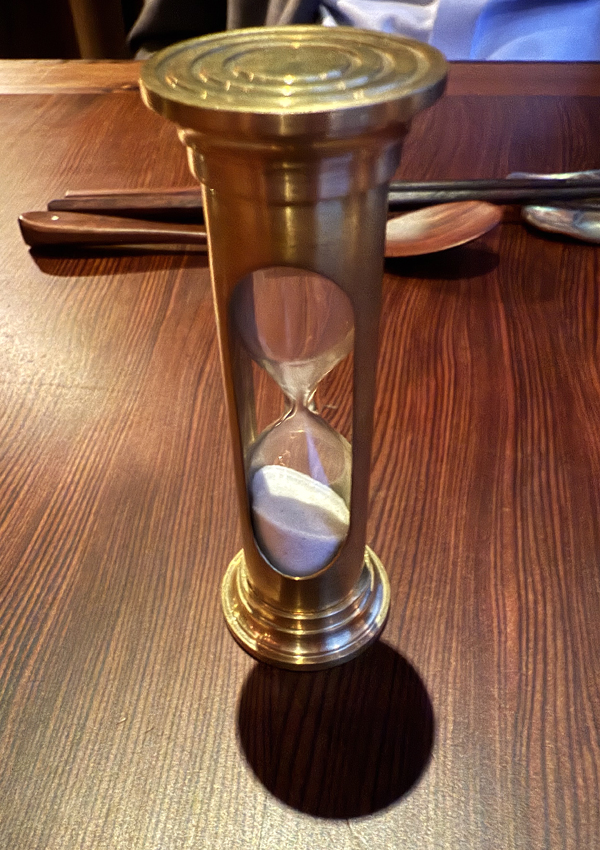
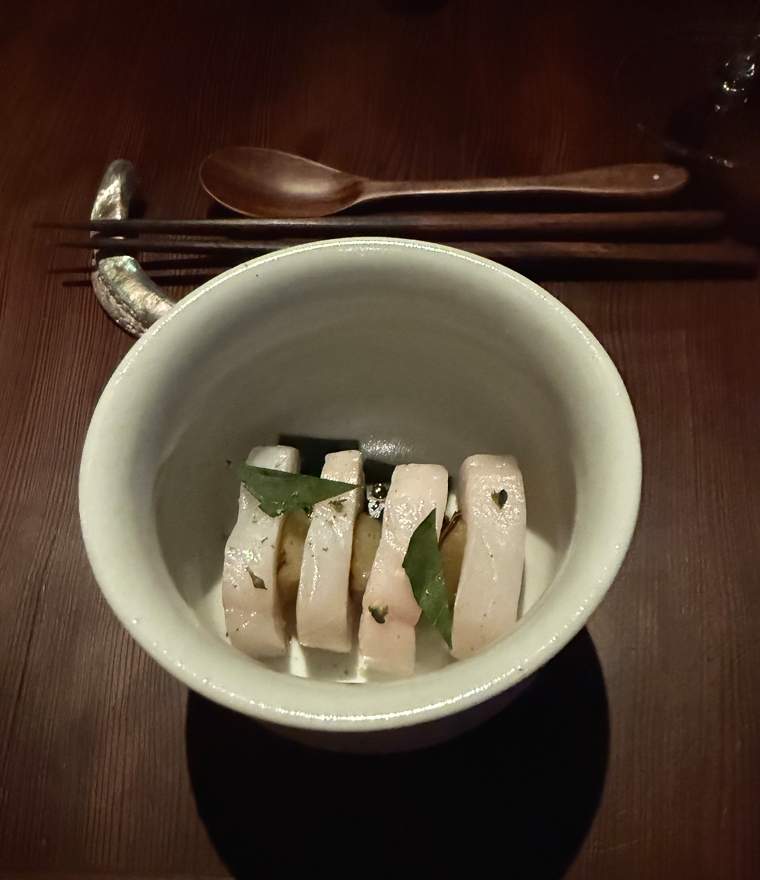
When a sandglass timer is set upon the table, you wonder what in the world it could be for. You learn soon enough when a bowl of raw black cod slices is placed before you with tiny pieces of peeled eggplant and fresh leaves of Thai basil. A dashi broth is poured over, and the lid placed over the bowl. When the sand runs down, uncover the bowl to enjoy the fish, which will be just cooked, leaving it delicate and succulent in a smoky broth.
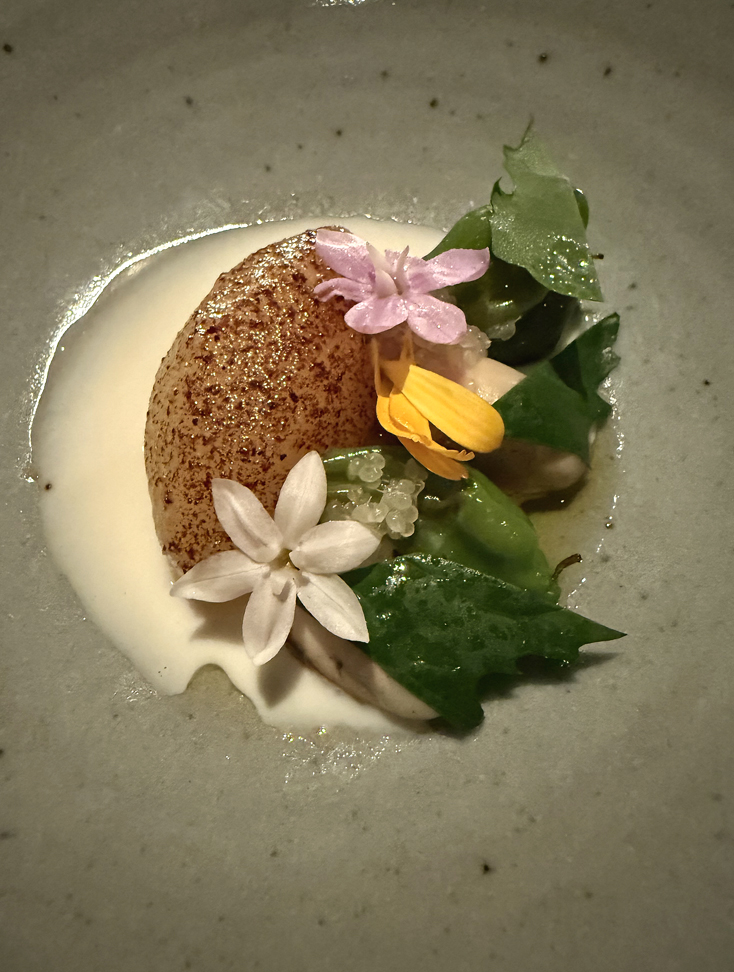
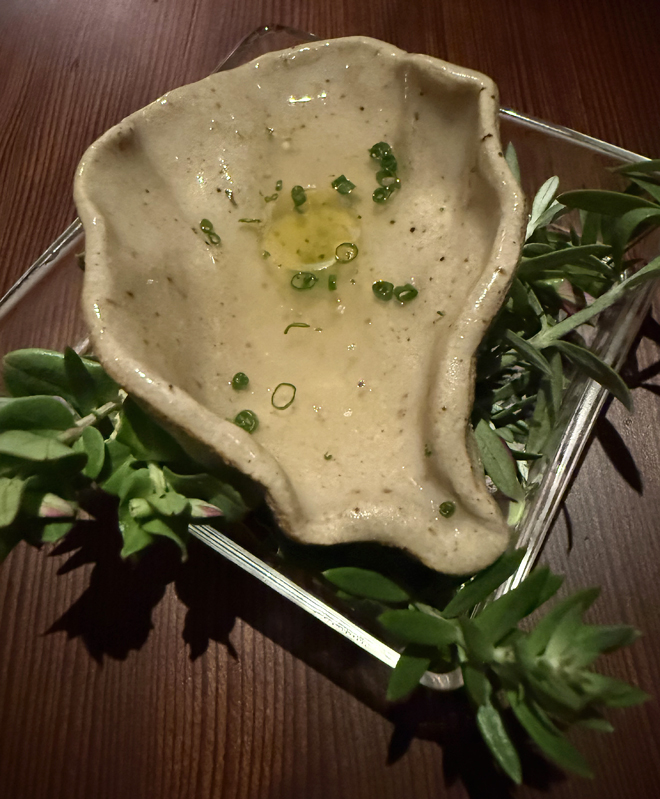
More dashi finishes the next dish, this time made from potato skins to amplify the creamy, confit butterball potato finished with grated miso alongside a voluptuous smoked Tomales Bay oyster, and grilled shishitos. A clever ceramic oyster shell holds the oyster liquor with a drop of olive oil and finely sliced chives. As with a real oyster shell, tilt your head back and drink it all in to get that rush of the salty sea.
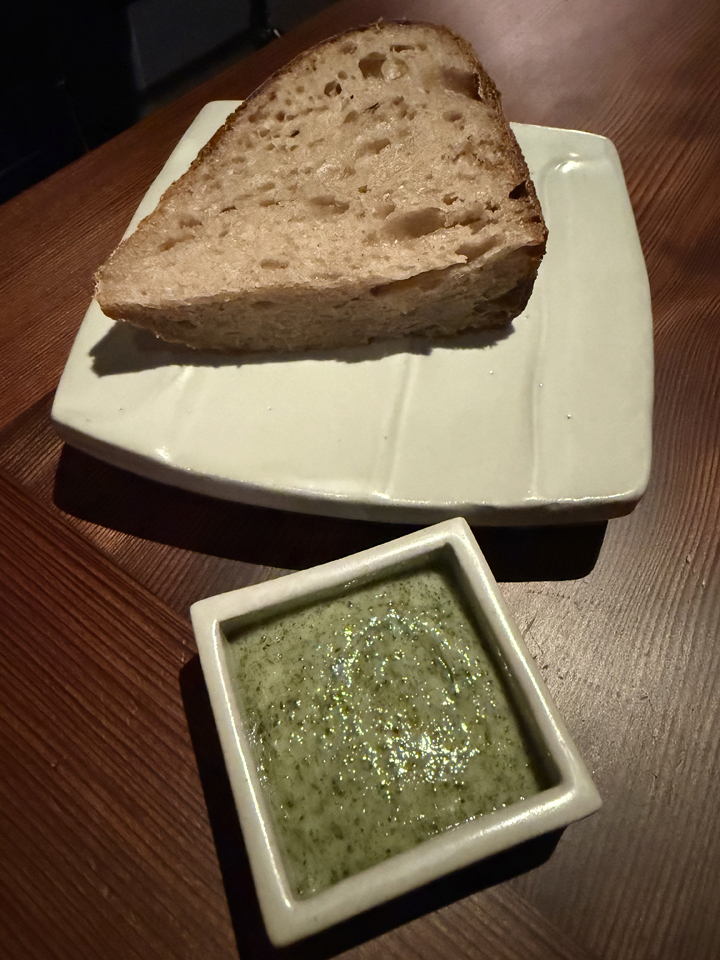
Harbor House makes its own crusty-chewy sourdough that’s served warm with cultured butter tinged green from sea lettuce outside its doors.
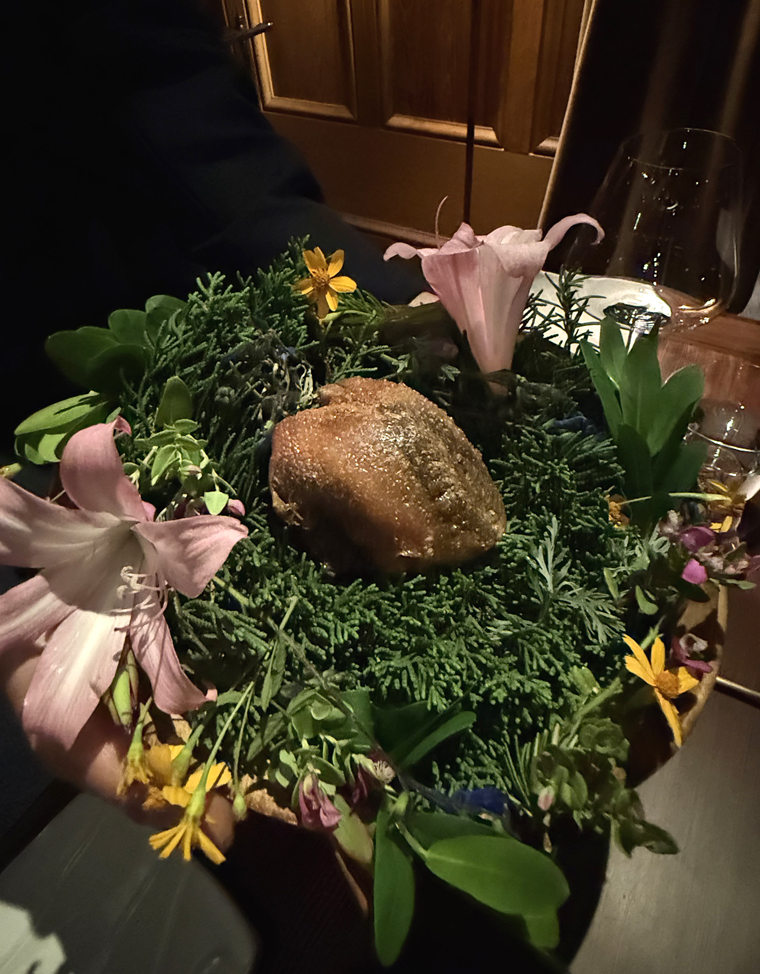
A burnished roasted squab is presented on a platter done up with sea greens and flowers before it’s whisked back to the kitchen to be carved. The juicy breast is finished with jus and served with a fantastic sausage made with the heart and legs of the bird, as well as baby corn from the garden. Nothing goes to waste, as the corn silk is served, too — fried so it resembles fairy floss and takes on a nuttiness from a sprinkling of sesame seeds.
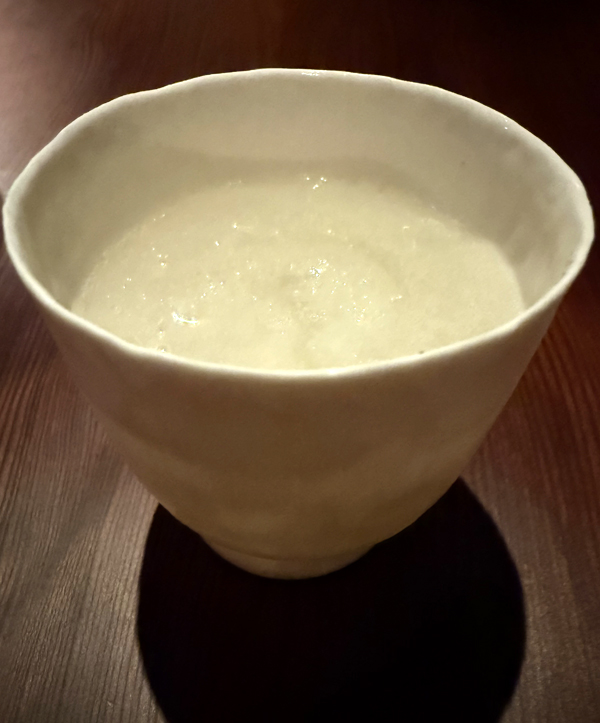
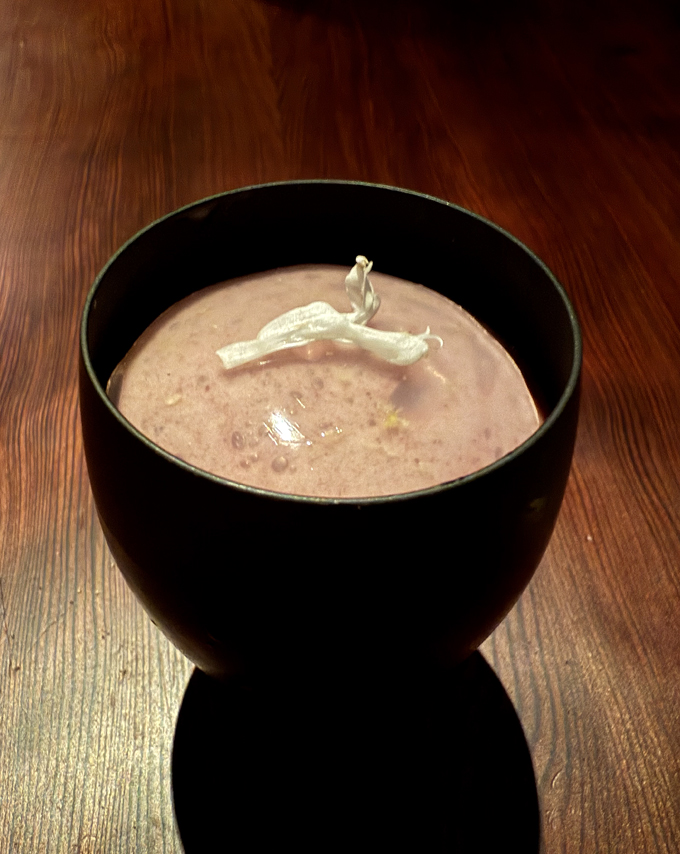
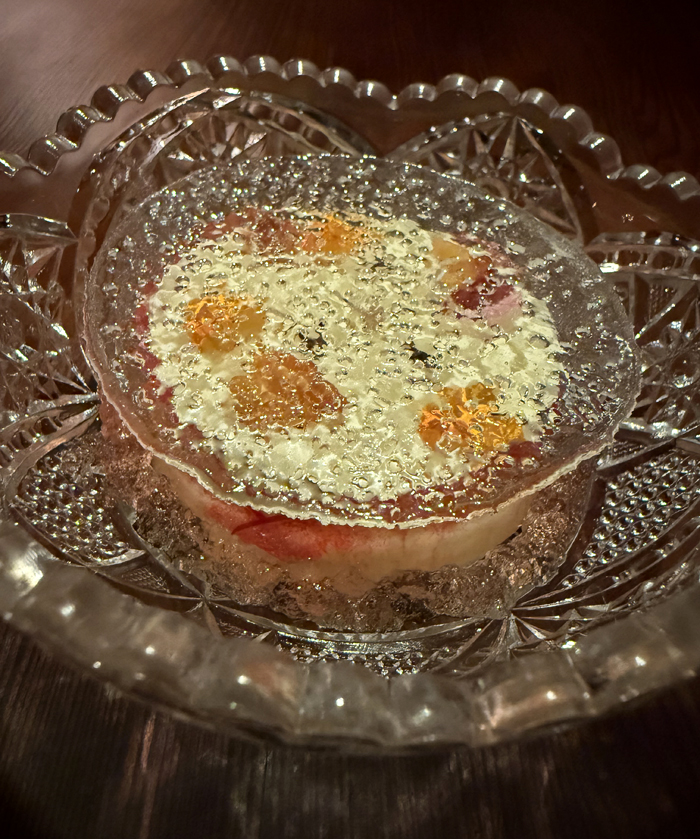
After that final savory course, there’s a bracing, slushy cucumber tonic that resets the palate for the first dessert: a fragrant makrut lime leaf custard with blueberry jam, blueberry whip that has a mousse-like consistency, and the surprise of tiny crunchy pieces of cucumber at the very bottom. It’s fruity and floral without being overly sweet.
Next, it’s a fig leaf custard with fresh plum, white peaches, and rose gel, all underneath a transparent sugar tuille. Again, in the vein of Japanese desserts, it’s none too sweet. It takes on the taste of coconut from the fig leaf.
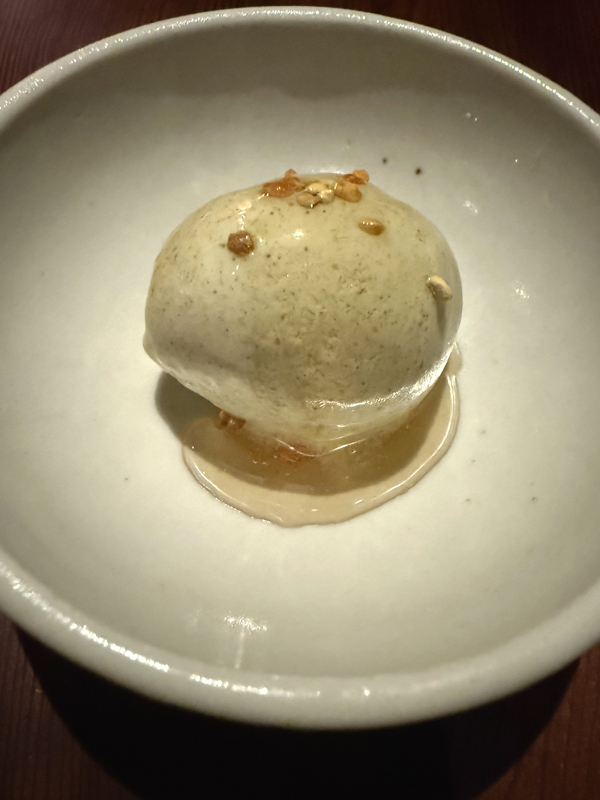
Then, it’s on to a unique ice cream flavor: wakame. Yes, seaweed that has a naturally sweet note, so it actually does work in this ice cream that gets served with fermented honey, honeycomb, and bee pollen. It’s creamy, smoky, with a veil of savoriness to add depth, and just enough sweetness to remind you this is dessert.
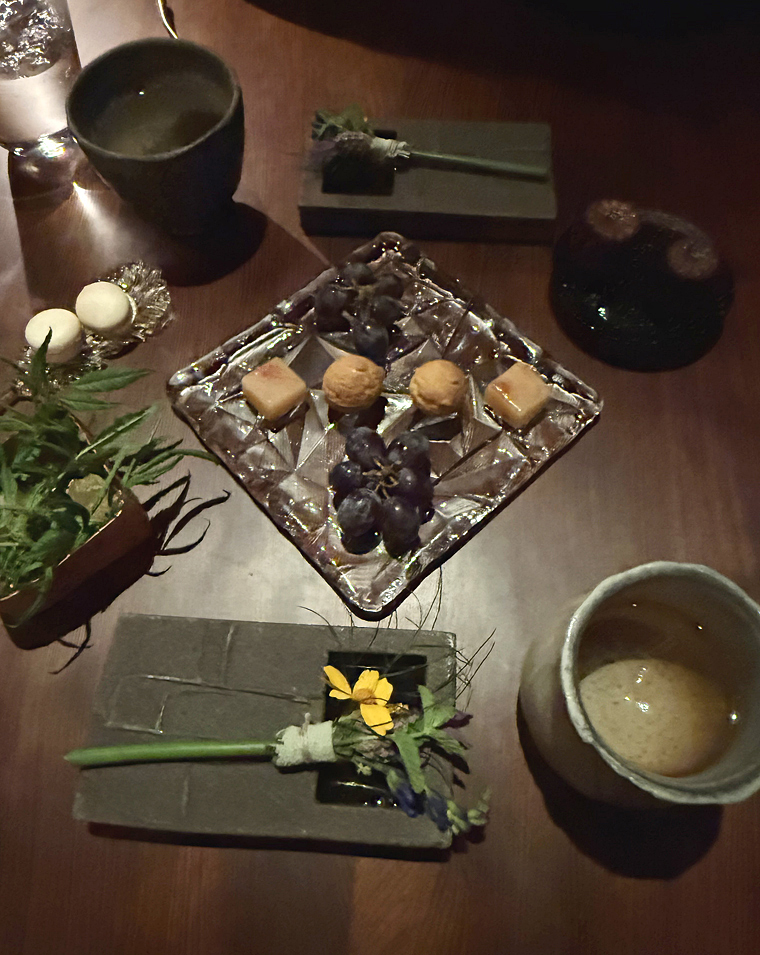
A bevy of mignardises comes next: walnut cookies rolled up around a filling of smoky oolong white chocolate; sweet Muscat-like Jupiter grapes; apple cider pate de choux; marigold-lemon verbena candies; umeboshi caramels; custardy, deeply caramelized caneles; and macarons made with candy caps for a deep maple syrup taste.
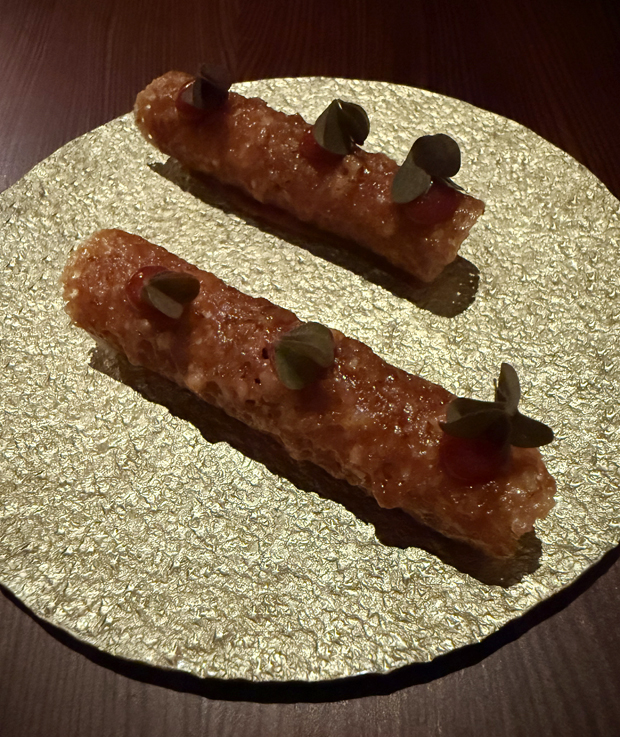
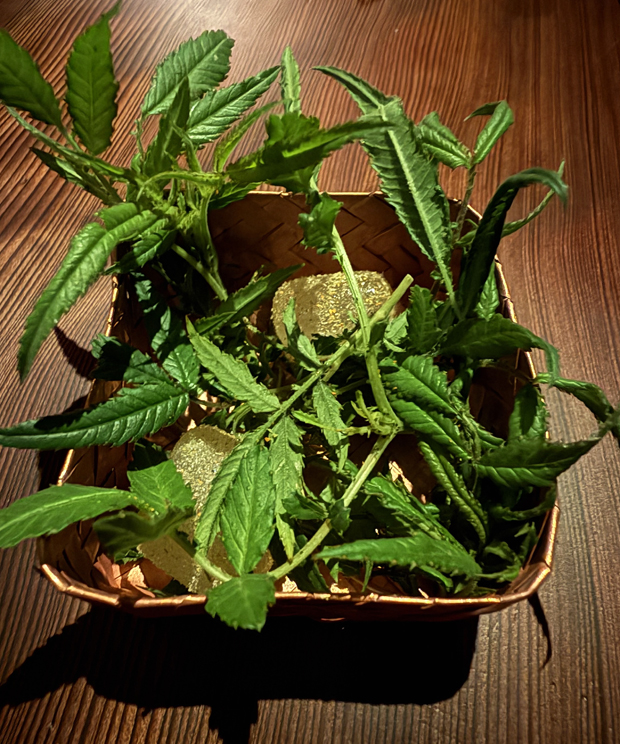
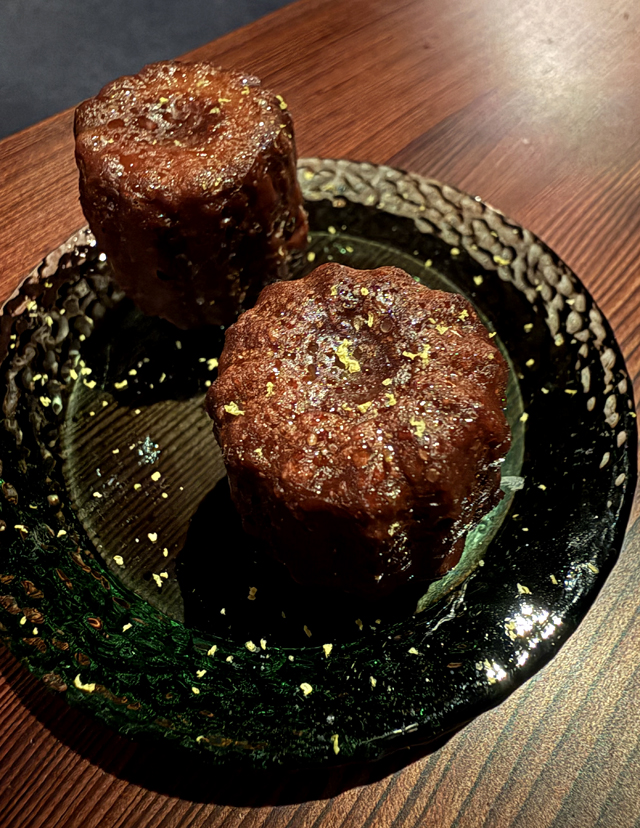
They’re all served with a warm herbal tea infused with Douglas fir. One whiff and it immediately makes you think of Christmas. Twined flowers and branches are fashioned into a brush to dip into smoky honey to stir into the tea to add your preferred amount of sweetness.
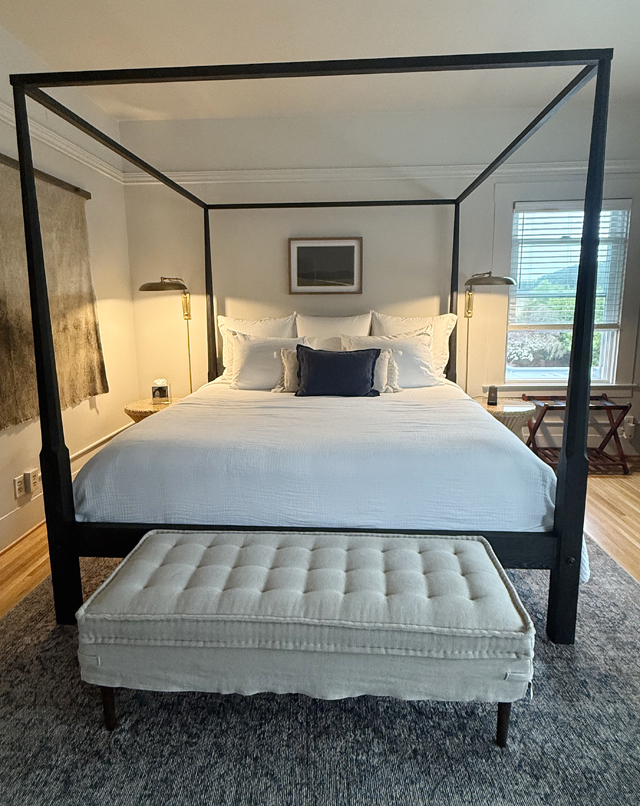
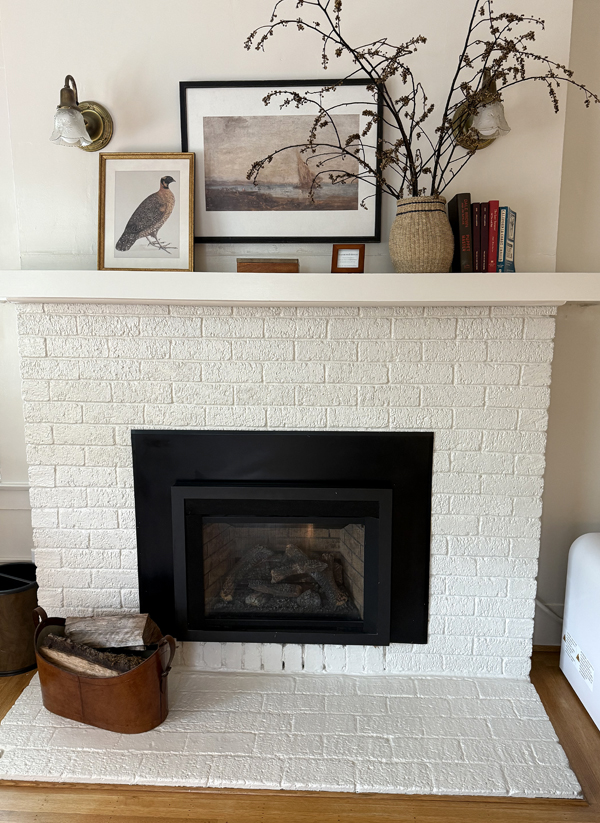
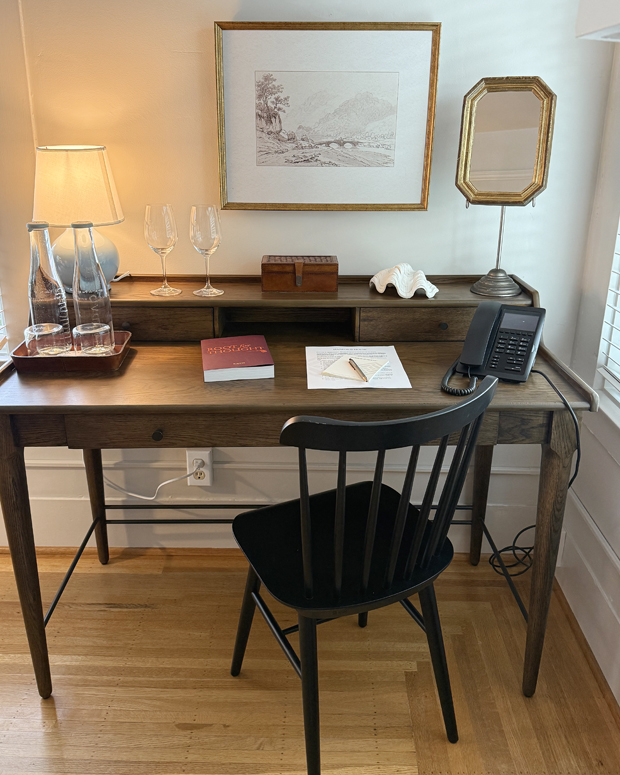
After the last bites, a server thoughtfully escorts us to the staircase and bids us adieu as we climb up one level to our serene Meadowview room.
After a 3-hour feast, it’s a real luxury not to have to get into the car to drive on the now darkened Highway 1 in order to retire for the night.
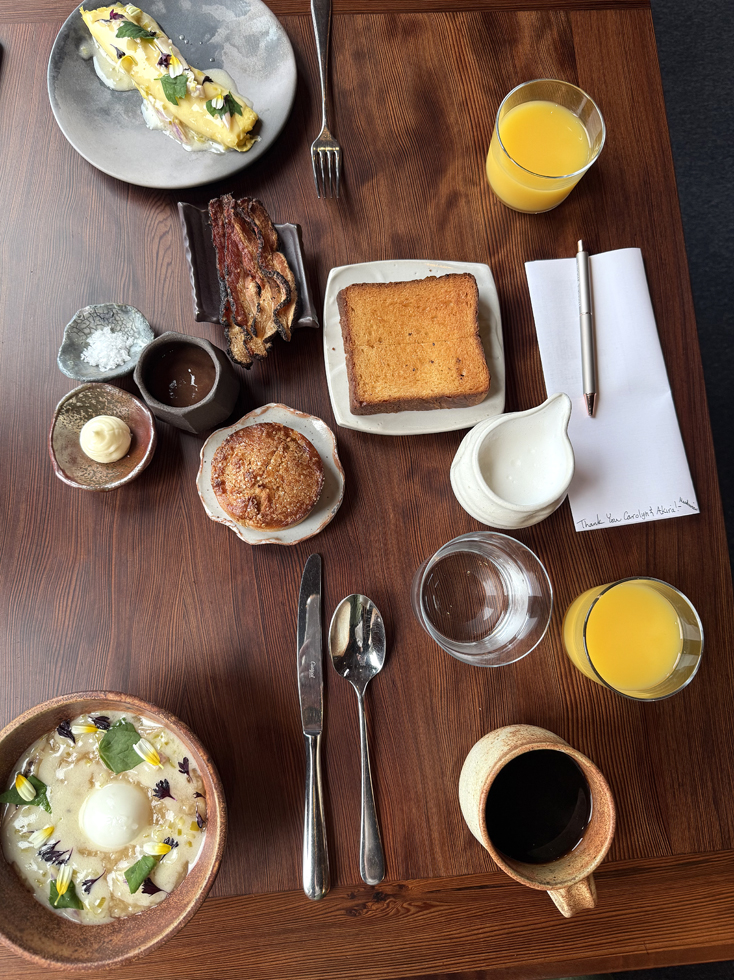
Best yet, lodging comes with breakfast the next morning in the same dining room. When you check in, you’re given a card with choices to mark, so that the kitchen can be prepared.
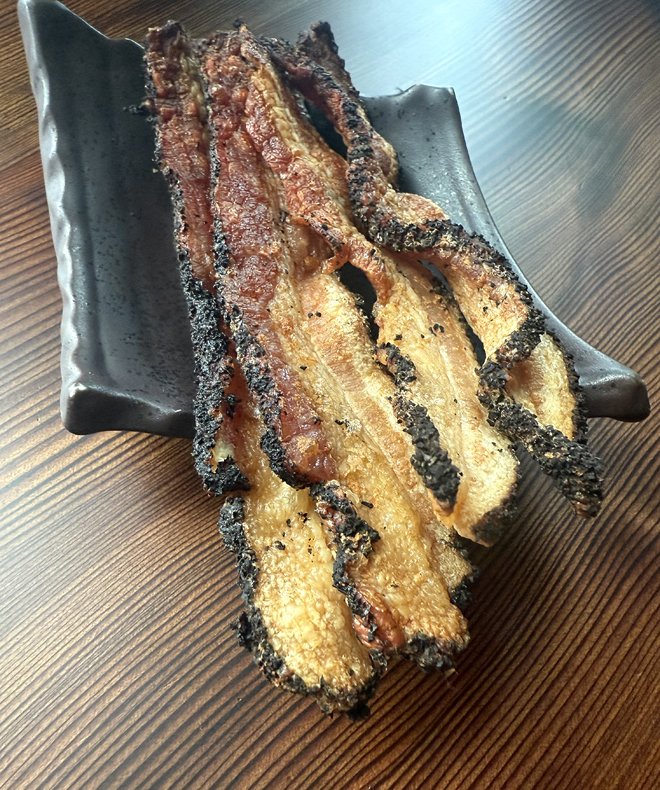
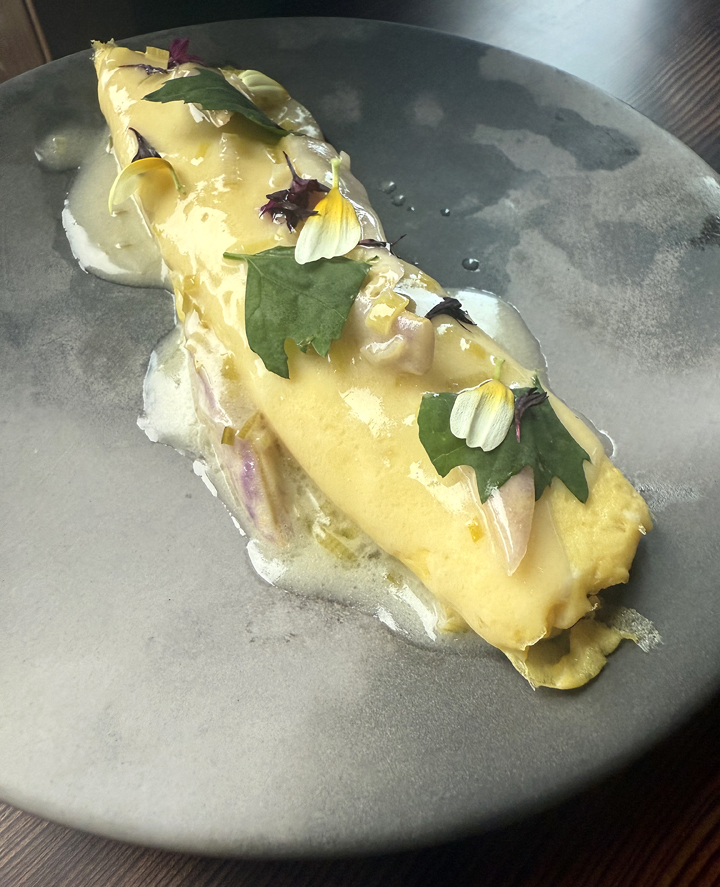
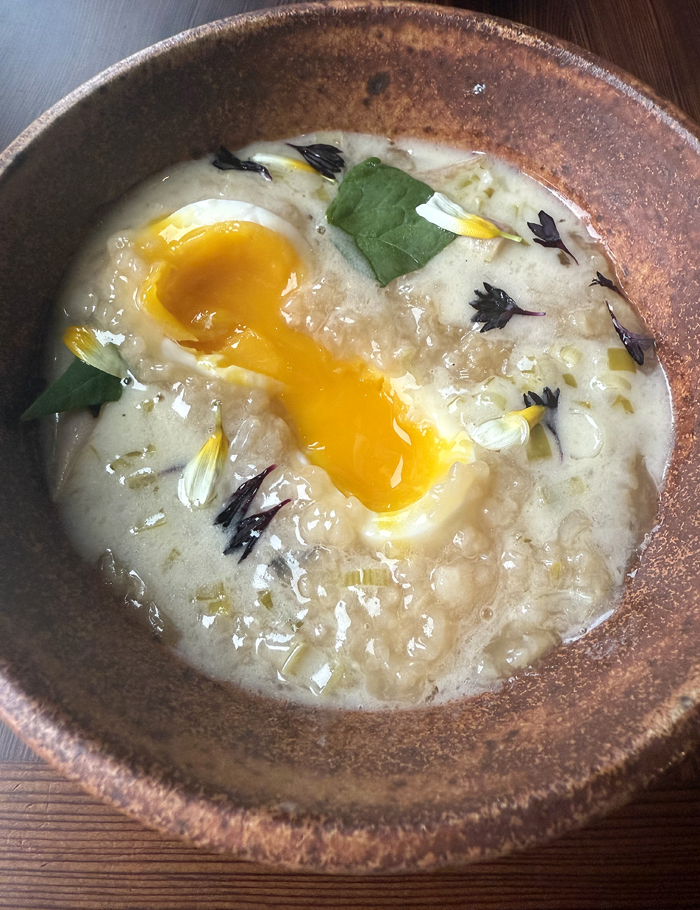
For us, it’s coffee and orange juice, along with a perfect French omelet, bacon as crisp as prawn crackers, and congee with a poached egg and a butter-leek sauce. I make rice porridge regularly, but never have I done it up with butter and leeks, which makes for such a guilty pleasure that I’m inspired to give it a go at home.
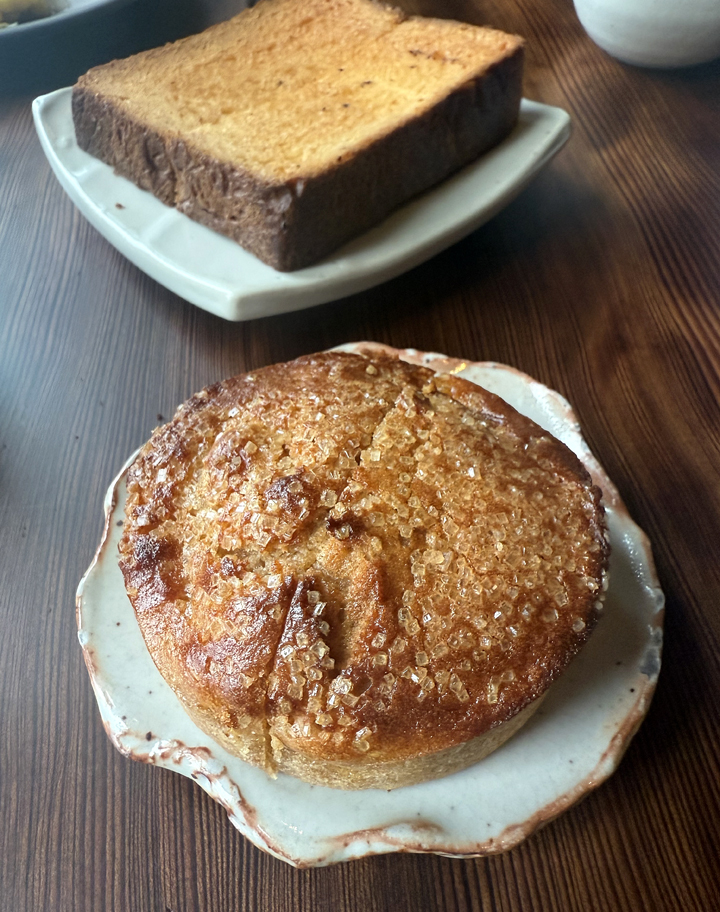
Breakfast comes with toasted milk bread to share slathered with strawberry and stone fruit jam, and a moist brown-butter cherry cake.
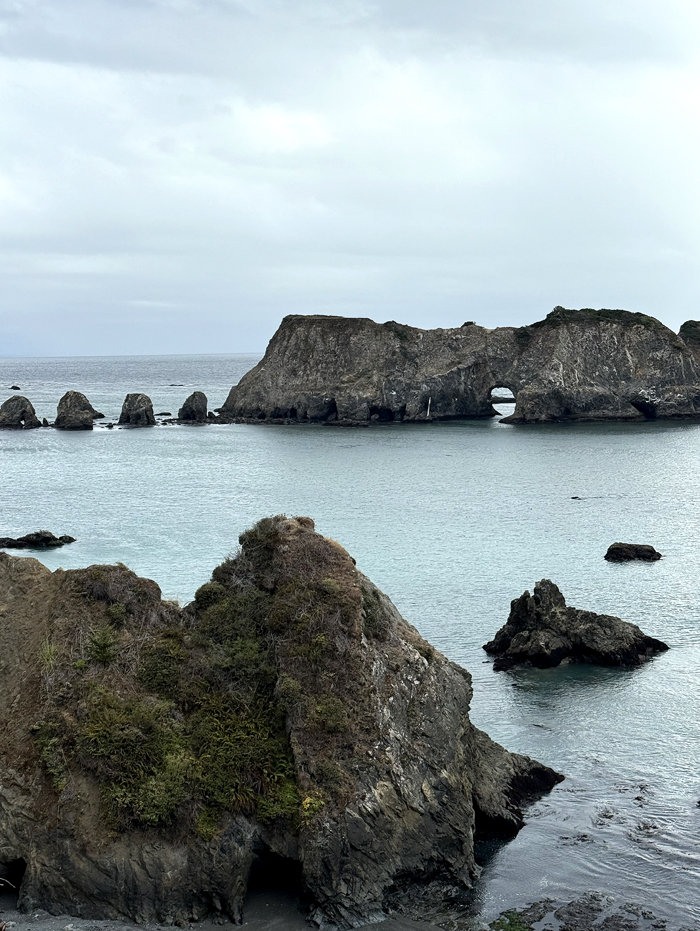
That morning, take in a last view of the iconic rock arch, and sigh deeply, knowing that this all-enveloping sense of the Mendocino coast will follow you no matter where you head next.
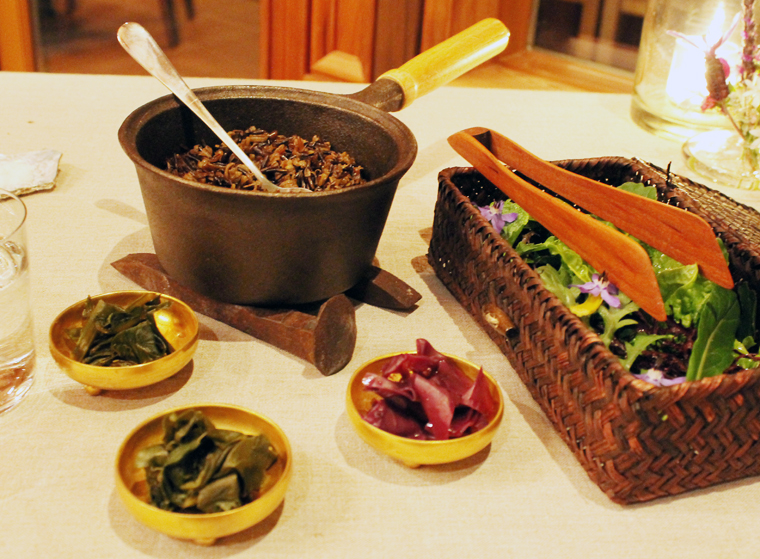
More: My First Time at Harbor House
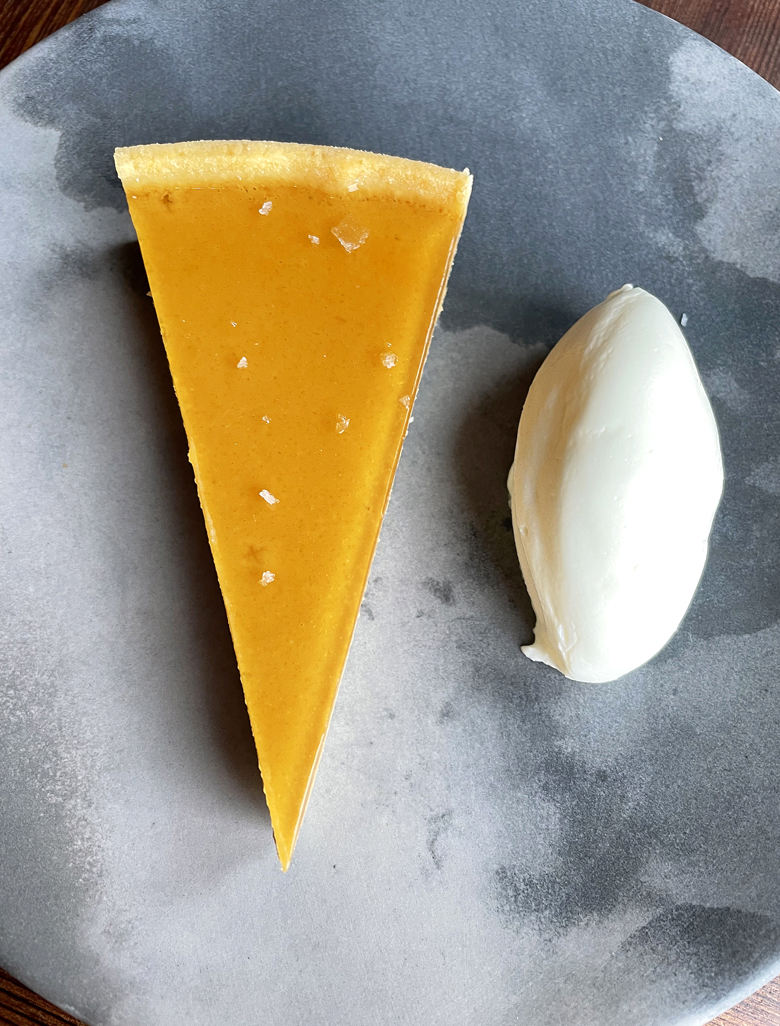
Next: Lunch at Harbor House, A Less Expensive Option
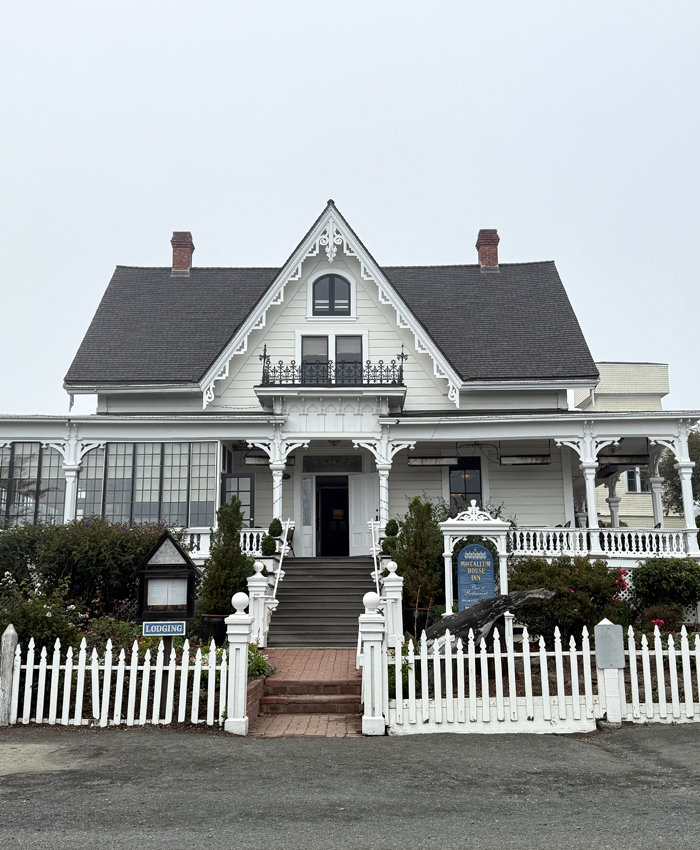
Coming Friday: Gourmet Getaway to the Mendocino Region, Part II: The Historic MacCallum House
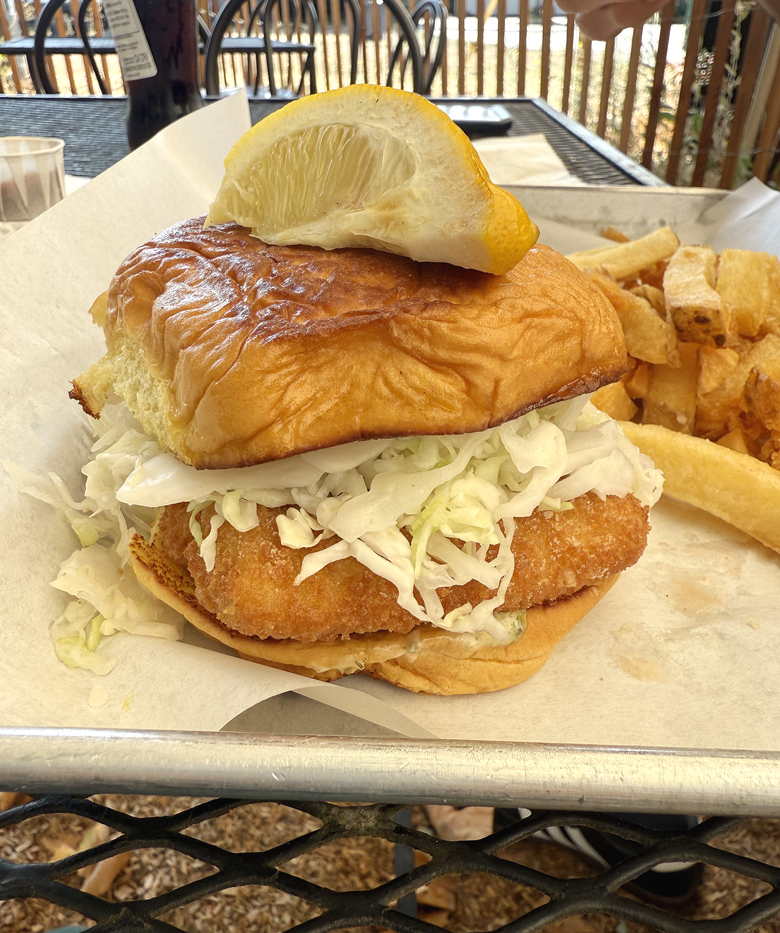
Plus: Gourmet Getaway to the Mendocino Region, Part III: Jumbo’s Win Win
And: Gourmet Getaway to the Mendocino Region, Part IV: Boonville Hotel and Offspring Restaurant