Food Gal Giveaway — For Anyone Who’s Ever Been Mystified In Asian Markets
Yes, that includes me.
I can tell you horror stories about circling the aisles at my local Asian market until I was dizzy to try to locate shaoxing wine, which is never stocked where you’d think it would be. Or the time I actually sweet-talked a fellow Chinese-American customer into helping me find just the right preserved fish from the countless jarred and bagged varieties available in the store.
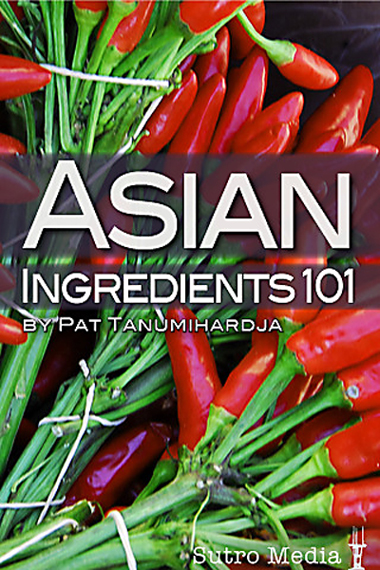
Now, help is only an iPhone or iPad touch away with “Asian Ingredients 101” by my friend and fellow Bay Area blogger, Pat Tanumihardja.
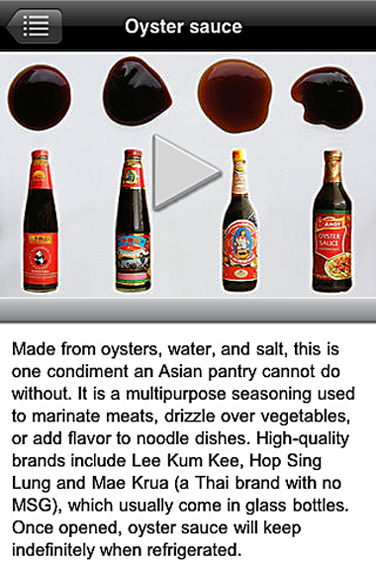 The handy-dandy app is a comprehensive guide to East Asian, Southeast Asian and South Asian ingredients that is sure to come in handy whenever you shop at an Asian market or travel to Asia.
Find info on 100 different ingredients, including spices, herbs and sauces. Along with photos, you’ll find the common names for the ingredients in different languages, as well as where to find the ingredients in the stores. You’ll also learn tips for selecting the best ingredients and what to use them for.
Contest: Now, one lucky Food Gal reader will get a chance to win the app, as well as a copy of Tanumihardja’s “The Asian Grandmothers Cookbook” (Sasquatch), filled with wonderful stories and recipes passed down from generations.
The contest is open only to those in the continental United States. Deadline to enter is midnight PST Jan. 22. The winner will be announced Jan. 24.
How to win? Just tell me the Asian ingredient you can’t live without and the one you’d be happy to never see again, and why. The most memorable response wins.
Here’s my own answer: