Category Archives: Seafood

A Whirlwind of Information on Sustainable Seafood

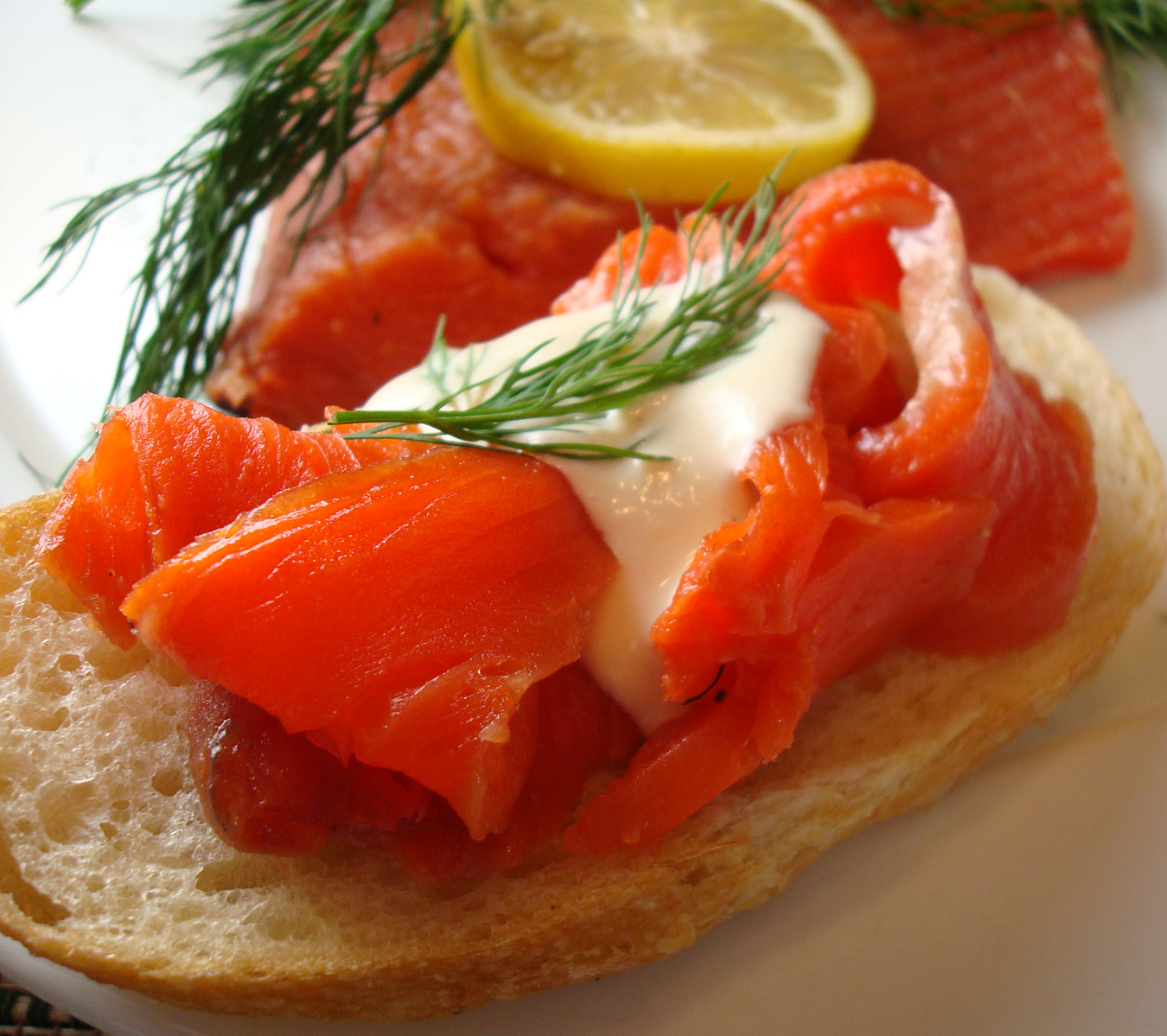
Gravlax topped with a creamy sauce of Greek yogurt and Dijon mustard.

That’s exactly what my buddy,  Jacqueline Church, has created in her 2008 “Teach a Man to Fish” blogging extravaganza.

Church, a Boston food writer and the creator of the LeatherDistrictGourmet blog, asked notable chefs, homecooks, seafood experts, and food writers from around the world — including yours truly — to submit a favorite recipe, and our thoughts on why we so strongly champion sustainable seafood.

You’ll find a wealth of seafood resource links, video clips, and 37 mouth-watering recipes you can enjoy without environmental guilt.

I hope you enjoy my contribution on the “Teach a Man to Fish”  roundup: New York Times food writer Mark Bittman’s Gravlax, served with Carolyn’s Creamy Greek Yogurt-Dijon Sauce.

Read more

Playing With Fire

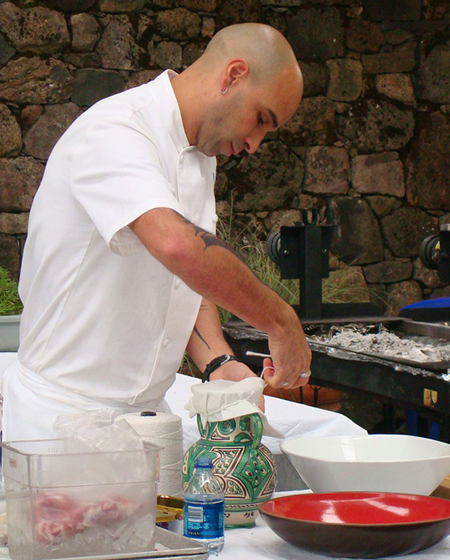
Chef Mourad Lahlou preparing a tangia to cook in the ashes.

It was a brisk morning in St. Helena, but troughs of burning, glowing coals provided warmth as we gathered together, our appetites already primed for the charred, long-simmered delights yet to come.

We were there to watch three Mediterranean culinary stars demonstrate the ancient art of cooking over fire: Mourad Lahlou, the Marrakech-born chef-owner of Aziza in San Francisco; esteemed cookbook author Paula Wolfert; and Haouari Abderrazak, chef-owner of Haouari Restaurant on the island of Djerba, Tunisia.

It was all part of the recent “Worlds of Flavor International Conference” at the Culinary Institute of America’s Greystone Campus. This year’s theme was: “A Mediterranean Flavor Odyssey.”
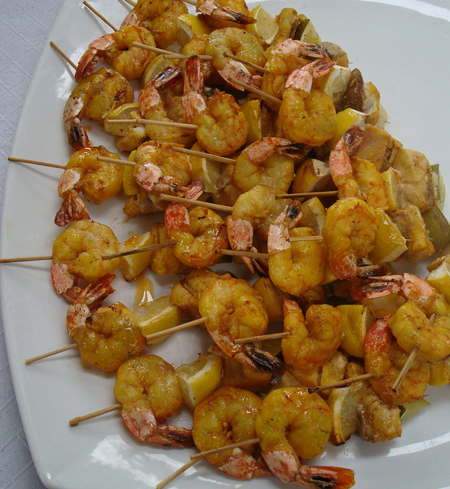
Shrimp and fish skewers

Shrimp and fish brochettes sizzled on a grill, as Abderrazak mixed up a boldly flavored red sauce of tomatoes, olive oil, lemon juice, and harissa (a blend of chiles, cumin, coriander, and caraway) to accompany them.

Lahlou planned to make lamb tangia — chunks of lamb shoulder simmered for 12 hours with saffron, garlic, preserved lemons, and ras el hanout (a Moroccan spice blend that can contain about 50 ingredients, such as ginger, anise, cinnamon, nutmeg, cardamom, turmeric, and dried flowers).
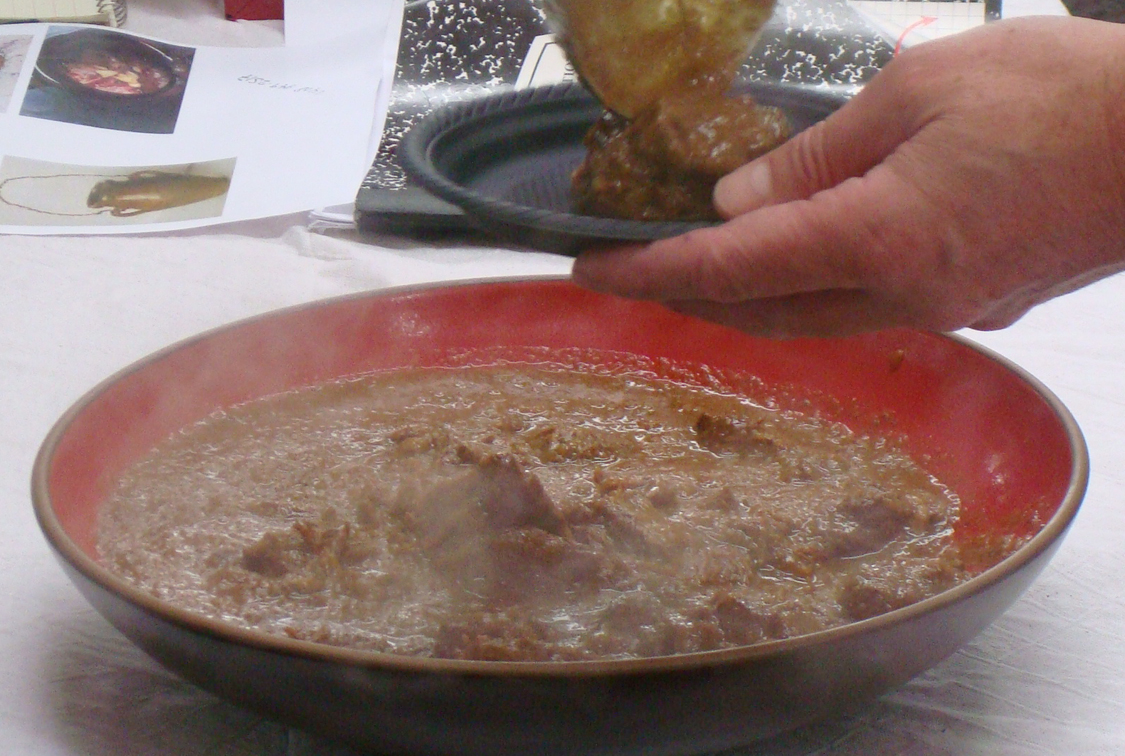
Saucy Moroccan lamb tangia

It is made in a tanjia, a clay vessel that is sealed with wax paper, then buried in hot coals or wood ash to cook.

Read more

Food Gal Makes Her Debut In San Francisco Magazine

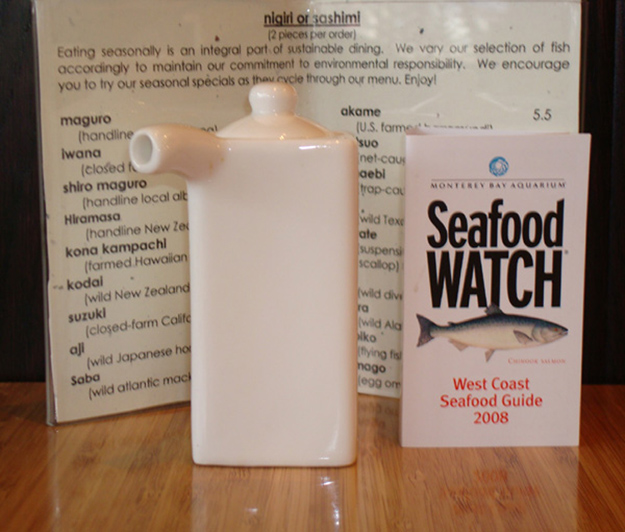
One of the new sustainable sushi guides. Pick up a copy of the November issue of San Francisco Magazine now on newsstands to read my short piece on three new sustainable sushi guides.

A year in the works, the guides were put together by the Monterey Bay Aquarium, Blue Ocean Institute, and the Environmental Defense Fund.

On each of the organization’s Web sites, you’ll find a copy of a free guide to download. All three are sure to make your next meal at a sushi bar more enlightening.

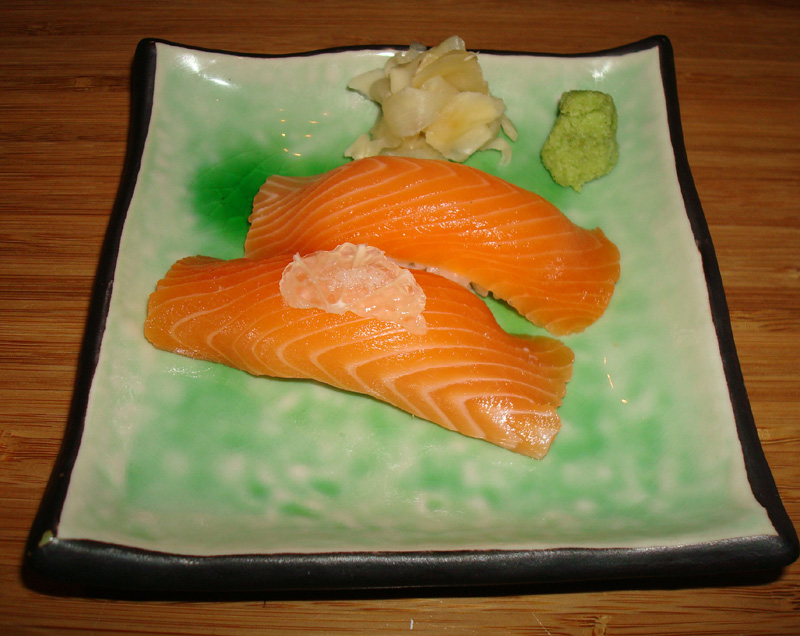
The Only Sustainable Sushi Bar in North America

At Tataki Sushi & Sake Bar, it\s not business as usual.

That is just what Tataki Sushi & Sake Bar in San Francisco is believed to be.

The tiny, seven-month-old restaurant serves only seafood that isn’t overfished, farmed without proper management, or contains high levels of mercury and other contaminants.

Find out more about why business partners, Chef Kin Lui, Chef Raymond Ho, and Casson Trenor (a sustainable fisheries expert) decided to open such a restaurant by reading my story today in the San Francisco Chronicle Food section.

Tataki, the site of a former Subway sandwich shop, grabs your attention right when you walk in. A Monterey Bay Aquarium “Seafood Watch” pocket guide, which lists best and worst sustainable seafood species, is front and center on every table. A copy is also tucked into every take-out menu.

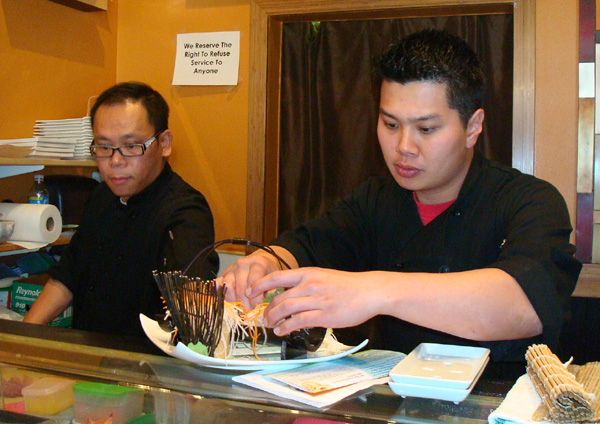
Co-chefs Raymond Ho (left) and Kin Lui (right).

Oct. 22, Tataki will be the site of the official launch of three new, ground-breaking sustainable sushi guides created in partnership with the aquarium, Blue Ocean Institute, and Environmental Defense Fund. Each will include information on as many as 60 different seafood species commonly found on sushi menus.

Sustainable artic char, similar to farmed salmon in taste and texture, but without environmental and health concerns.

Want to do the right thing? Then, you’ll stop eating unagi, bluefin toro, hamachi, octopus (tako), monkfish liver (ankimo), farmed salmon (sake), imported King crab (kani), imported albacore tuna (shiro maguro), and sea urchin (uni) from Maine — all of which are unsustainable, according to the aquarium’s new guide.

Read more

A Most Eggs-cellent Taste

Fresh eggs, only two days old.

Having been born and raised in San Francisco, I’m a big-city girl. I sheepishly concede that really shows sometimes, too.

When I was a summer intern at the Portland Oregonian newspaper way back when, my editors sent me to the county fair to write a story. Any story.

When I arrived, I noticed the dairy cow competition was about to begin. Admittedly, growing up in cramped, congested San Francisco, I never even lived anywhere that had room for grass in the yard. Not surprisingly, my experience with cows was limited to seeing them grazing off in the distance as I rode in a car on the freeway. Getting up close and personal with one was novel, to be sure.

I walked up to a young man at the fair, who was tending his cows. “Excuse me, Sir?” I asked. “Are you in the dairy cow competition?”

The young man looked at me, looked at his cows, then looked at me again: “Ma’am, these are beef cows.”

Ohhh, right. The cows were dark as coal, muscular, and rather hefty, I realized on second glance, as I slinked off in complete shame.

So it goes without saying that I grew up getting my eggs from supermarkets, too. Sure, I’d read and heard people say that farm-fresh eggs were so much better. But I had been content to take the easy route, just picking up a carton of 12 on my regular trips to the grocery store.

But a few weeks ago, my husband’s co-worker, who raises chickens, gave us two dozen of his farm-fresh eggs. They were about two days old, with shells that ranged in hue from alabaster to biscuit to bronze.

Supermarket egg on the left; farm-fresh egg on the right.

My husband, who also had never experienced fresh eggs, was eager to try them, too. The next morning, he cracked two open for sunny-side up eggs with toast. The difference was immediately apparent. The yolks were orange, not the standard yellow. Some say the more vivid color is due to the chickens being less stressed; others say it’s because farmers feed marigolds to the poultry to purposely attain that color in the eggs. And still others say the color comes from the farm chicken’s natural diet of grains, leaves and bugs, in contrast to the commercial chicken, which is usually fed soy and fish meals.

Read more

« Older Entries Recent Entries »