Getting Acquainted with Goat

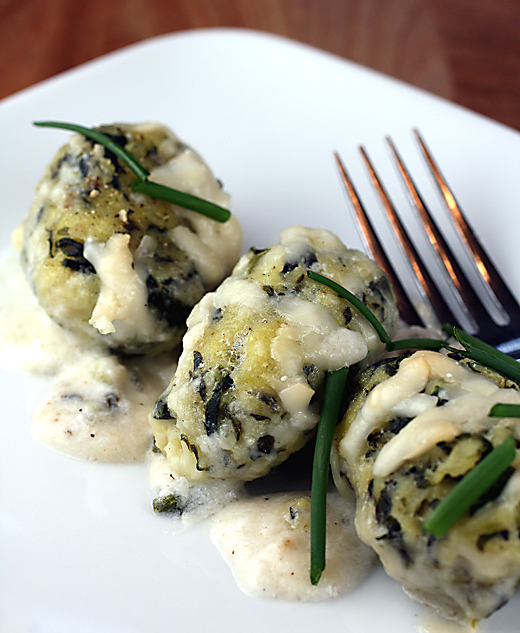
Fluffy dumplings made with goat  milk, goat butter and two types of goat cheese.

Seventy percent of the red meat eaten around the world is not cow, nor pig, nor lamb. Would you believe it’s goat?

Yet for most of us in the United States, goat merely brings to mind a creamy chevre, and little else.

The prolific food writing duo of Bruce Weinstein and Mark Scarbrough are hoping to rectify that. Their latest cookbook is “Goat: Milk, Meat, Cheese” (Stewart, Tabori & Chang), of which I recently received a review copy. This comprehensive book includes a wealth of information about all things goat, as well as recipes that include “Goat Shanks with Cabbage, Port, and Vanilla,” “Chilled Blueberry Tzatsiki Soup” made with goat yogurt, and “Goat Cheese Brownies.”

They realize that a lot of folks are predisposed to hate goat meat, even if they may never have tried it. So many people fear it’ll be too barnyard-y or funky tasting. But goats that are slaughtered between six and nine months possess none of that. Instead, the meat is slightly earthy and quite tender. Ounce per ounce, goat is also lower in calories, fat and cholesterol than chicken, beef, pork or lamb.

Latin chefs have had a love affair with goat for generations. Nowadays, more and more chefs are discovering how fabulous the meat is and even spotlighting it on pricey tasting menus.
Read more


Coffee with a Mission and a Food Gal Giveaway

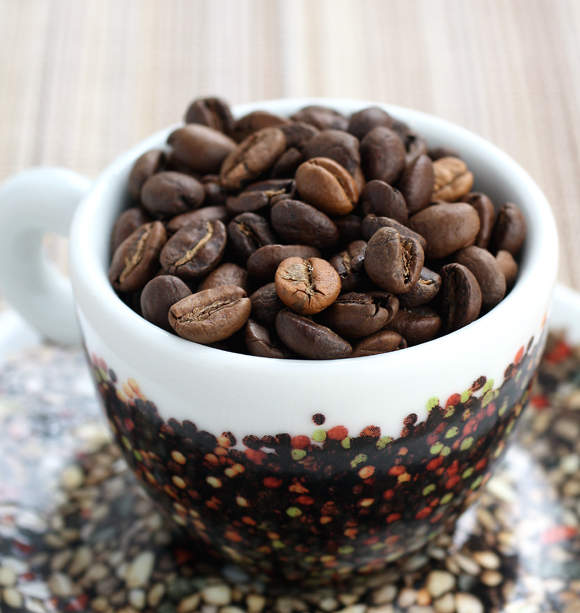
Coffee beans from the Aleta Wondo village of Ethiopia.

The impoverished Aleta Wondo community of Ethiopia grows some of the world’s finest coffee beans.

Brew a cup as I did from some sample beans, then revel in the smooth, rich notes of vanilla and bergamot without any of the ubiquitous “burnt” flavor of so many dark roasts these days.

Yet the farmers who grow these precious beans often don’t make enough money to feed or care for their children properly.

Enter Common River, a Mill Valley non-profit, which is working to change that.

Started by Donna Sillan, an international public health consultant, and Tsegaye Bekele, an Aleta Wondo native who now lives in Marin after starting a plumbing business in the Bay Area, the organization was able to build a new school in Aleta Wondo that educates 130 children in the community. It also started a summer camp program there that is staffed by Mill Valley volunteers.

Moreover, Sillan and Bekele began exporting the Aleto Wondo coffee to the United States. All the profits from the sale of the coffee goes back to the village of farmers to help fund the school and other needed projects.

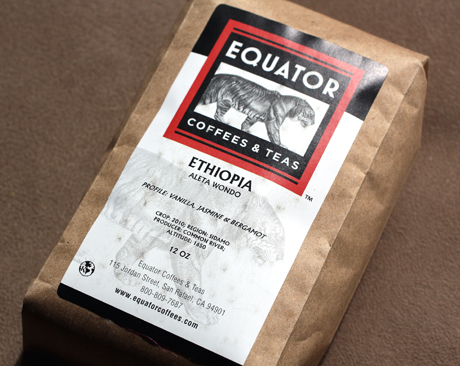
The beans are sold under the Equator brand.

You can do your own part to help by trying the coffee, yourself. It’s available at Whole Foods in Mill Valley and San Rafael. It’s also for sale directly on the AletaWondo site. Additionally, Equator Coffees & Teas, the socially conscious coffee company that just opened its first retail cafe at the San Francisco International Airport’s Terminal 2,  buys the Aleta Wondo beans and sells it under its own label.

Contest: One lucky Food Gal reader will get a chance to enjoy a 12-ounce bag of the Aleta Wondo coffee beans. Entries, restricted to those who live in the continental United States, will be accepted through midnight PST April 16. Winner will be announced April 18.

How to win?

Read more


Dorie Greenspan’s Sensational Scallops

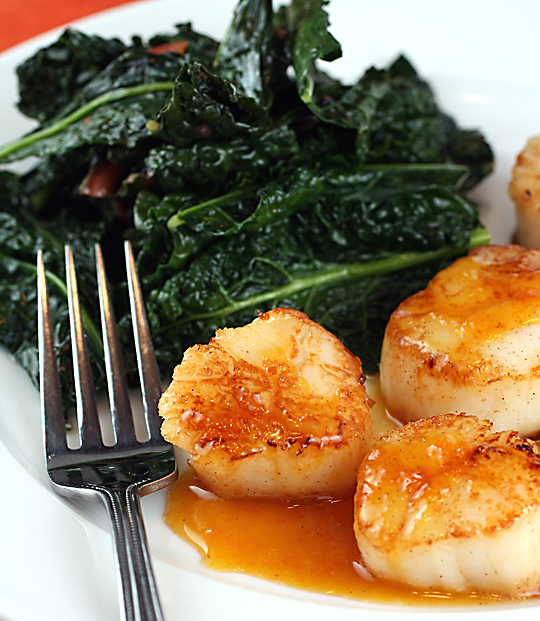
A scallop dish that will make any day a whole lot better.

“Scallops with Caramel-Orange Sauce” should have to be registered as a mind-altering, mood-enhancing dish.

That’s because this dish from Dorie Greenspan’s “Around My French Table” (Houghton Mifflin) is guaranteed to lift your spirits, put a delirious grin on your face and give you happy feet.

That’s how incredibly delicious it is.

Stressed over your job?

Eat this dish.

Stressed about not having a job?

Eat this.

There’s magic in this dish. It’s really just seared scallops, but it’s the thick, syrupy, buttery citrus glaze that gets spooned over that makes it extraordinary. Seriously, one taste and you’ll want to pour it over everything — grilled halibut, broiled shrimp, chicken tenders, pork loin and even French toast.

Read more

Matcha Kit Kat

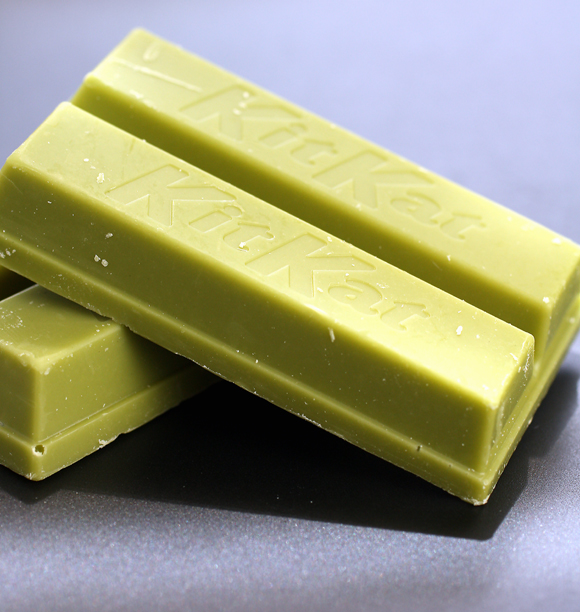
Japanese Kit Kat bars flavored with matcha.

Who doesn’t love a Kit Kat bar, with its crunchy “fingers” that consist of three layers of wafer cookies covered in chocolate?

But did you know just how many variations there are around the world?

Sure, we can’t resist the basic milk chocolate Kit Kat found in stores everywhere in the United States. But folks in Canada can indulge in peanut butter ones, while hazelnut cream ones are sold in Germany, strawberry ones in Australia and tiramisu in the United Kingdom.

Japan, though, is where you’ll probably find the greatest array of specialty Kit Kat flavors, including azuki (red bean), pickled plum, wasabi and soy sauce, according to Wikipedia.

Last week, I snagged a bag of matcha Kit Kat bars at Nijiya market in San Jose’s Japantown. Yes, green tea-flavored ones.

Read more

An Evening at La Mar with Freeman Winery

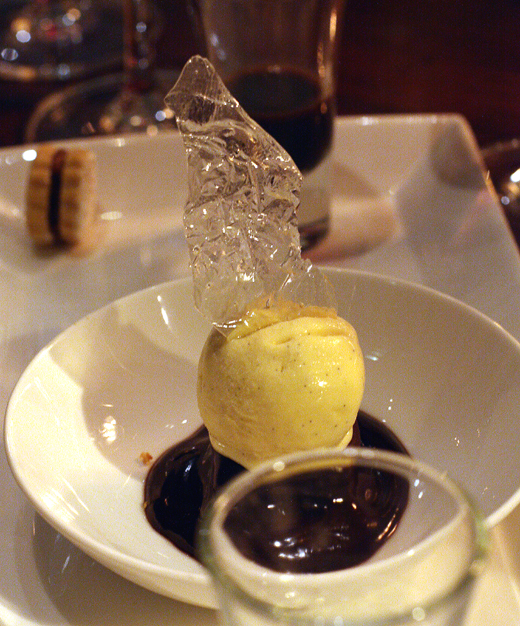
At La Mar Cebicheria in San Francisco, even dessert comes with a little pisco.

The quenching, tart Pisco Sour may be the usual drink of choice at La Mar Cebicheria in San Francisco, but about once a month, the restaurant also hosts winemaker dinners.  And you know these events are guaranteed to be stellar when they’re presided over by the restaurant’s consulting wine director, Emmanuel Kemiji, a certified Master Sommelier who not only makes his own wine, but has worked with some of the best chefs in the Bay Area.

In fact, Kemiji was responsible for introducing me to one of my new favorite Pinot Noir producers — Freeman Vineyards and Winery of Sebastopol.

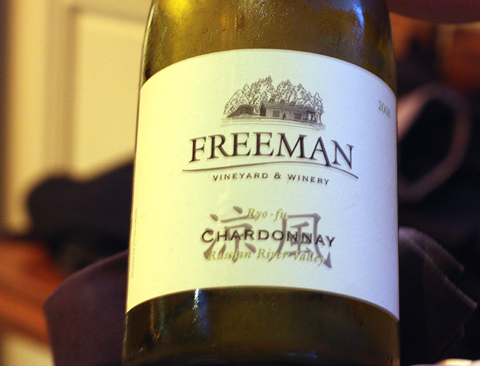
Freeman wines.

It’s no secret that I have a soft spot for Oregon Pinot Noirs, with their more earthy profiles, rather than the jammy fruit-forwardness of so many California-style Pinots. Freeman Winery — owned by Ken and Akiko Freeman — make Pinots in that elegant style with notes of dark cherry, loamy mushroom and gravel. They are pure silky pleasure to drink.

Recently, I was invited to be a guest of the restaurant at a special dinner spotlighting Freeman wines. When the San Francisco fog gives way to warmer evenings, the wine dinners are held in the spacious back patio with its spectacular view of the Bay. But on a chilly night like this one, it took place at a long chef’s table beside the bustling kitchen.

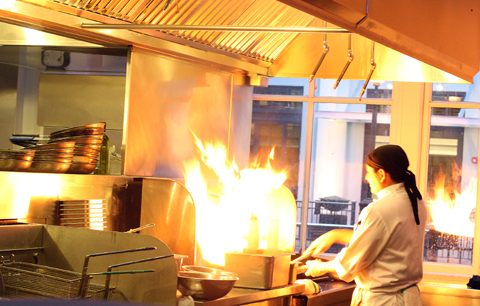
The chef's table at La Mar is next to, but separated from, the exhibition kitchen.

La Mar is famous for its cebiches — raw seafood that’s “cooked” with citrus. But Pinots and Chardonnays typically clash with such acidic fish preparations, so there was no cebiche on our tasting menu that night. Instead, there was an amuse that paid homage — a shot glass filled with spicy, tangy, prickly cebiche-like marinade transformed into almost aperitif.

Read more

« Older Entries Recent Entries »