Take Five with Chris Cosentino, A Chef Who Is Offal Good At What He Does
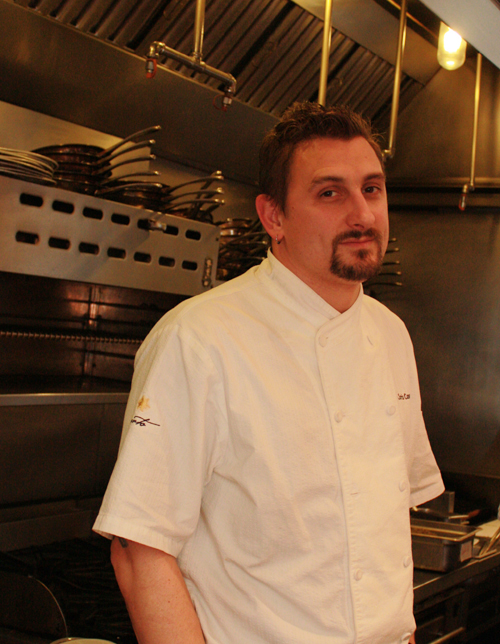
The one and only Chris Cosentino.

Chris Cosentino, the spiky-haired, take-no-prisoners chef of San Francisco’s acclaimed Incanto, is a man who enjoys extremes.

Particularly when it comes to sports, and cuts of meat.

A chef who designed stickers and T-shirts emblazoned with the slogan, “I Love Offal,” started his own salumi company last year, Boccalone, with Incanto’s owner Mark Pastore.

At Incanto, Cosentino is not shy about showcasing more unusual meat and seafood offerings, either. Bloater paste bruschetta, anyone? Get past the name to enjoy a luscious, creamy rich spread made from organ meats of a smoked fish. Wicked good.

Then, there’s the restaurant’s “Whole Beast Dinners” (starting at $55 per person, and you’ll need about 20 of your friends to enjoy it). Sit down to your choice of a whole roast suckling pig, lamb or goat carved tableside. Incanto sells two of those carnivore extravaganzas a month.
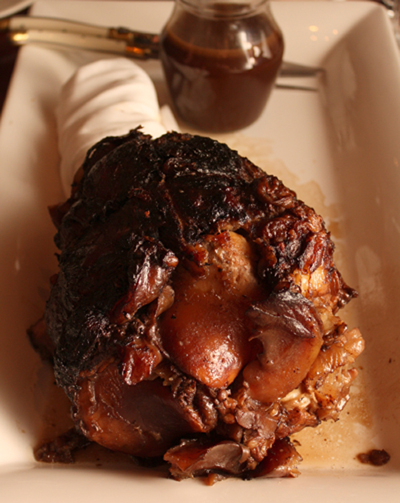
Braised beef shank (leg of beast).

They’ve proven so popular that the restaurant just started offering a smaller version of that family-style meal: “Leg of Beast.” The four-course meal ($200 for 6-8 people) is centered around a whole leg of beef. Enjoy unctuous marrow bones (God’s butter, as Cosentino calls it); melty beef tendon stewed with cannelloni beans and sage; a platter of chicory tardivo tossed with zinfandel vinaigrette; and the piece de resistance, a whole braised beef shank — a nearly 20-pound leg of beef that’s been cooked at 200 degrees for 6 hours until it is spoonable-tender.

I had the chance to enjoy the debut of this meat madness at Incanto, and to sit down with Cosentino afterwards, just days before the 36-year-old chef would have surgery.

He quipped, “It’s for implants. C-cups.”

Not quite.

For Cosentino, who enjoys telemark skiing, and raced competitively in single-speed mountain-bike 24-hour ultra endurance races, this will be his third shoulder surgery — the first one on the left shoulder for this right-handed chef.

His body produces a large amount of elastin, he explains, a natural protein that gives elasticity to tissues and organs. In the case of his shoulder, though, the elastin has caused the connective tissues to become like overstretched rubber bands, and they need to be repaired.

Cosentino expects to be back in the kitchen shortly after the operation. But he won’t be able to move his left arm much for about six weeks.

Q: Maybe you should take up hiking instead?

A: That would be too boring.

Q: So which came first — your love for cooking or your love for cycling?
Read more


Finally — Pinkberry Comes to Town

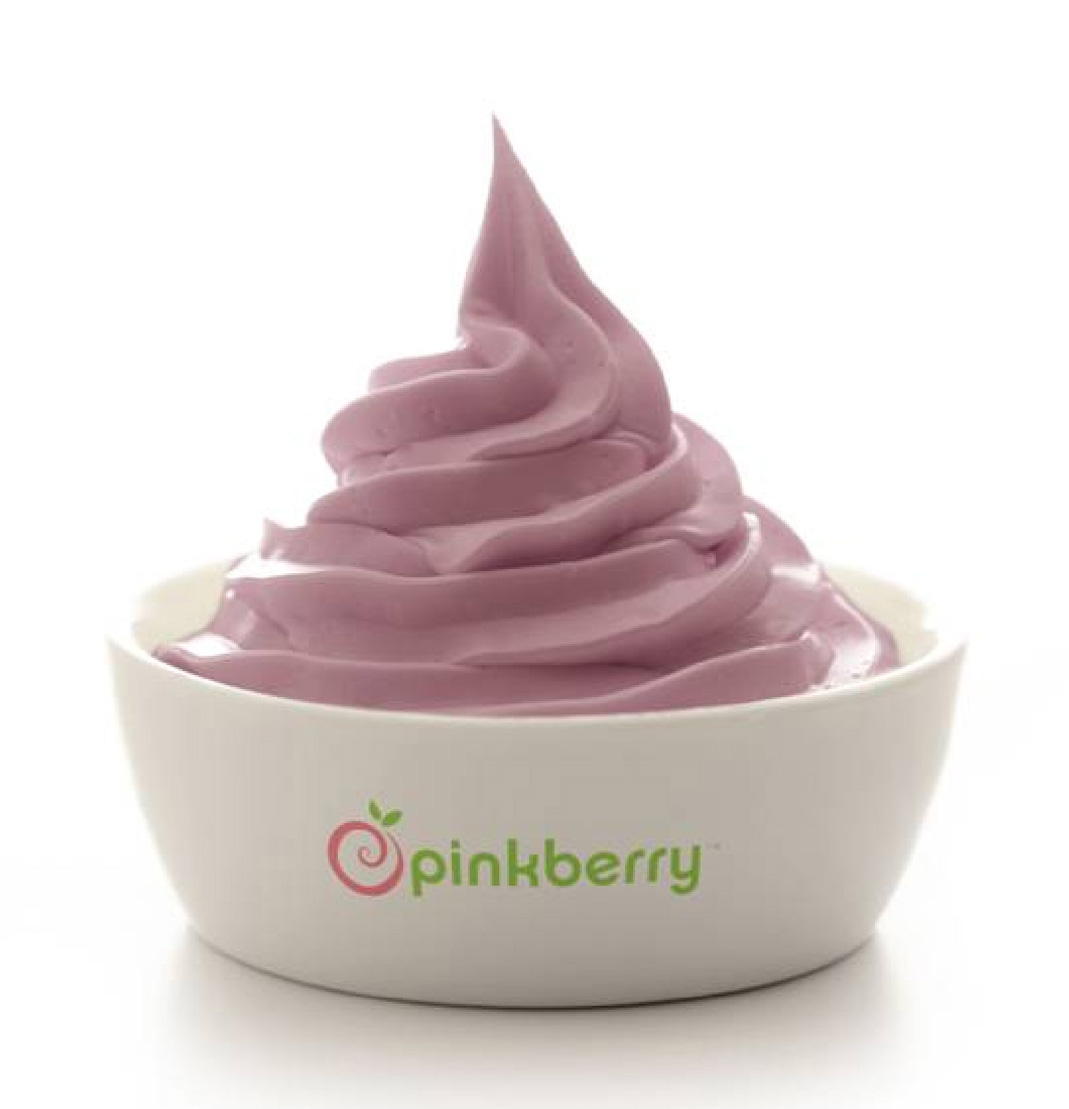
Pinkberry's new seasonal flavor, pomegranate. (Photo courtesy of Pinkberry)

The wait is over for Northern California’s first Pinkberry.

The Korean-style tart fro-yo that started the whole craze will open Saturday, Jan. 17 at Santana Row in San Jose. You’ll find it in a pavillion in Santana Row that was once the concierge center.

Pinkberry serves two main flavors: Original (tart) and Green Tea. A new seasonal flavor makes its debut, too: Pomegranate.

Read more


Days of Wine and Crab

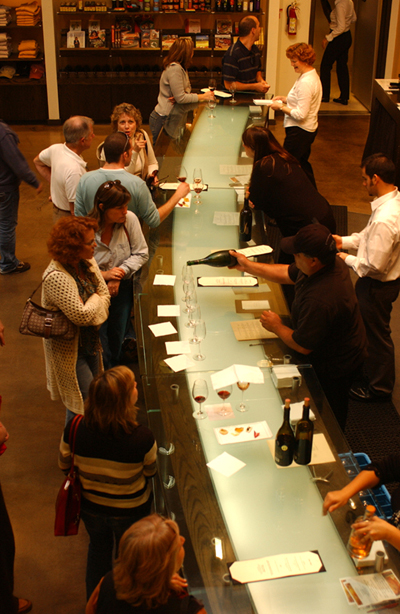
Enjoy the chance to sip some of Sonoma's best wines.

Wine lovers will want to head to the Dry Creek, Russian River, and Alexander valleys in Sonoma, 11 a.m. to 4 p.m. Jan. 17-18, when bottles will be uncorked for exclusive tastes.

The 17th annual Winter Wineland event will have more than 100 winery owners opening their cellar doors for a post-holiday celebration that will allow guests to taste limited production vintages, both old and new. Food pairings and tours also will be offered. Look for special discounts on bottles and cases, too.

Among the wineries to visit are De La Montanya, De Loach Vineyards, Siduri Wines, and Korbel.

Price is $40 for both days; $30 for Sunday only; and $10 for designated drivers. To purchase tickets and to see a list of participating wineries, click here or call (888) 251-0560.

Brewery Gulch Inn

If you want to enjoy some crab with all that wine, you won’t want to miss Mendocino County’s Wine & Crab Days at Brewery Gulch Inn in Mendocino, Jan. 30-31.

Read more

Meyer Lemons — The Salty

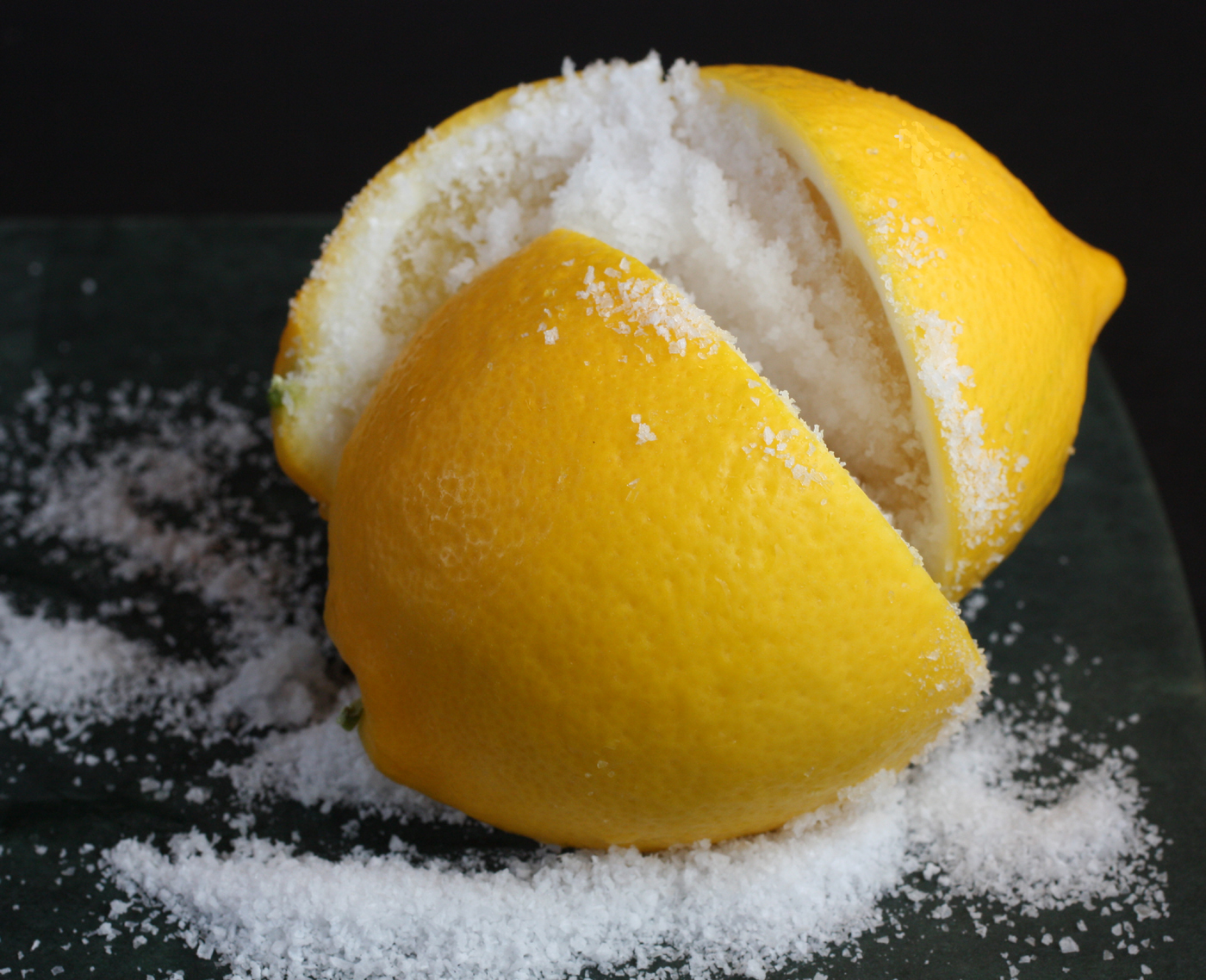
The beginnings of preserved lemons.

I owe a debt of gratitude to Moroccan cooking expert Kitty Morse.

After all, she’s the one who taught me just how easy it is to make my own preserved lemons.

How easy?

So easy that you don’t even need a real recipe for it.

I took a cooking class at Draeger’s years ago that Morse taught. It was there that she turned me on to the endless wonders of preserved lemons.

They cost a tidy sum if you buy them already made in jars in fancy gourmet stores. They cost mere pennies if you make them yourself, especially if you have your own lemon tree.

I always use Meyer lemons just because I love the floral, complex, and less puckery taste that they have. But I also know that Mourad Lahlou, the Marrakech-born chef-owner of Aziza in San Francisco, likes both Meyers and Eurekas, but for different uses. At a cooking demonstration late last year at the Culinary Institute of America’s Greystone Campus in St. Helena, Lahlou said he favors the more delicate preserved Meyer lemons in salads, but preserved Eurekas in long-cooked stews because the rind is thicker and doesn’t break down so much.

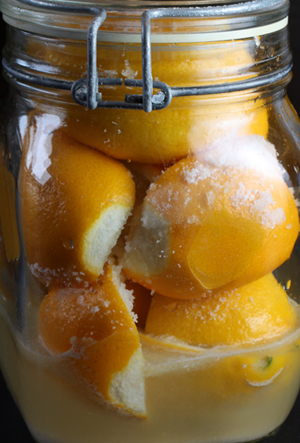
Day One: Packing the lemons into the jar.

Whatever lemon variety you choose, I guarantee you will have a fascinating time making preserved lemons. If you have kids, they’ll have fun watching the lemons do their thing, too. Think of it as your own little science experiment.

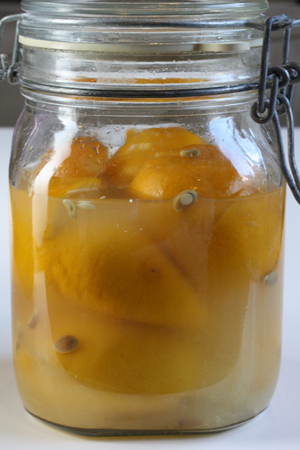
Week 2: The lemons are softening, and exuding their juice.

Indeed, the first time I wrote about making preserved lemons years ago in the San Jose Mercury News, I admitted I couldn’t stop looking at my lemons as they transformed themselves. I wasn’t the only one. Many readers wrote back after making their own batch, confessing that if they woke up in the middle of the night, they’d sneak a peek at their lemons. Morse even laughed that my lemons had become my pets.

Read more

Meyer Lemons — The Sweet

My first jam.

I have a confession to make: I had a serious case of the jam jitters.

Don’t get me wrong. I love jam. In fact, I enjoy it almost every morning, spread thickly on sourdough toast or an English muffin.

But I had never made jam.

Until now.

You see, I was a can-o-phobe. There are some notable culinary life passages we all face: Cooking that first Thanksgiving turkey. Baking something with yeast for the first time. Shucking that first oyster. Add to that list, jam-making for me. I’d conquered those other rites long ago. It was high time to tackle this one, too.

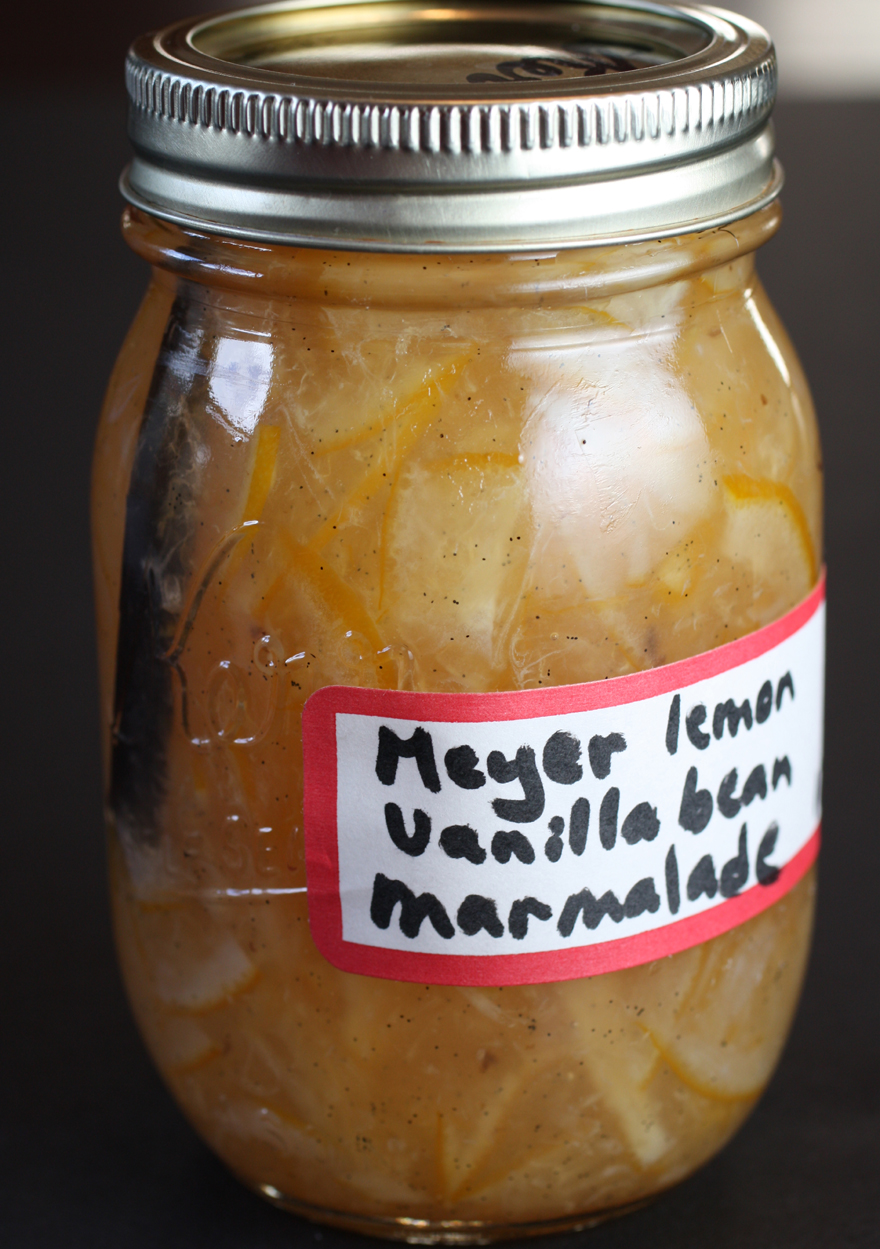
When I won a load of homegrown Meyer lemons from 5 Second Rule’s recent raffle, I wanted to put them to good use. So, Meyer Lemon Marmalade with Vanilla Bean seemed like a most fitting tribute.

A load of lemons.

Jam-making veterans had told me how easy it was to do. They took such pleasure in doing something so old-fashioned and nurturing, and not to mention cost-effective in this horrific economy.

For years, I had put off trying my hand at jam. Well, I’d have to buy a water bath canner, for one thing. I’d heard horror stories of jams that didn’t gel. And I worried I’d end up poisoning friends and family members alike if I screwed it up.

Can-o-phobia, I tell ya.

So, this recipe was perfect for a neophyte like me. It required no water bath canner or any pectin. It consisted of only lemons, sugar, salt, water, and a vanilla bean. I could store the jam in jars in the refrigerator after I’d sterilized them in the dishwasher. It was as easy as can be.

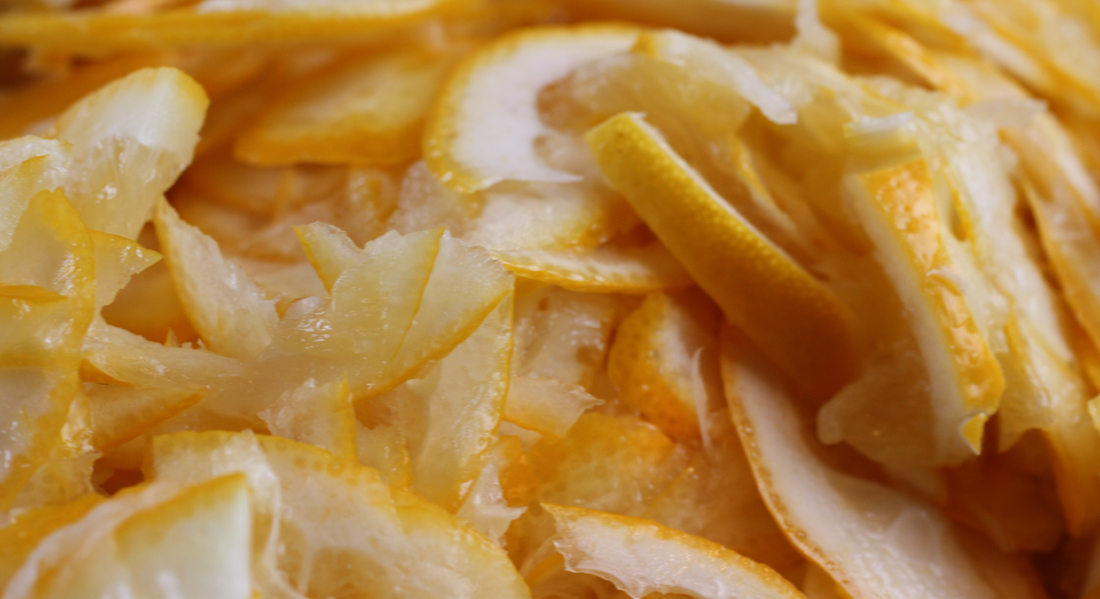
I used a mandolin to slice the Meyers thinly, and then removed all the seeds. As the lemons simmered in a big pot on the stove with the other ingredients, the house smelled incredible. Meyer Lemon #5, anyone? The natural, fresh, floral, citrusy fragrance was as intoxicating as any expensive perfume.

My only hitch was that I couldn’t get the boiling mixture up to 230 degrees. I came up 10 degrees short, no matter how long I simmered it or at how high of a heat. No matter, the jam set up perfectly once it was refrigerated for a few hours.

As I stared at my jars, looking for all the world like they were imbued with pure sunshine, I admit that I felt proud. And when I spread my marmalade on toast each morning, I smile at its sweet-tart taste, and its thick, rind-laden, pulpy texture.

Jam jitters?

Forget about it.

Meyer Lemon and Vanilla Bean Marmalade

Read more

« Older Entries Recent Entries »