The Art of Hoshigaki
As chef of Pizzeria Picco in Larkspur, Restaurant Picco in Larkspur and Bix in San Francisco, Chef Bruce Hill has a flair for creating stylish Italian and New American food.
He also has a thing for massaging fruit.
Before you raise your eyebrows too high at that, just know that it involves the ancient and quite labor-intensive Japanese tradition of preserving persimmons.
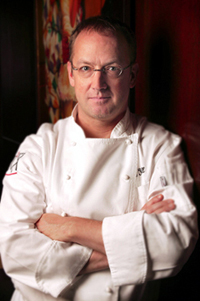
Hill has been making the dried persimmons, known as hoshigaki, for the past four years, ever since he was inspired to give it a try by the lovely sight of all the bright orange persimmons at his local farmers market.
He doesn’t use the hoshigaki at his restaurants or sell them. He just makes them for fun to give to family and friends. And when he asked me if I would like to try some, I jumped at the chance.
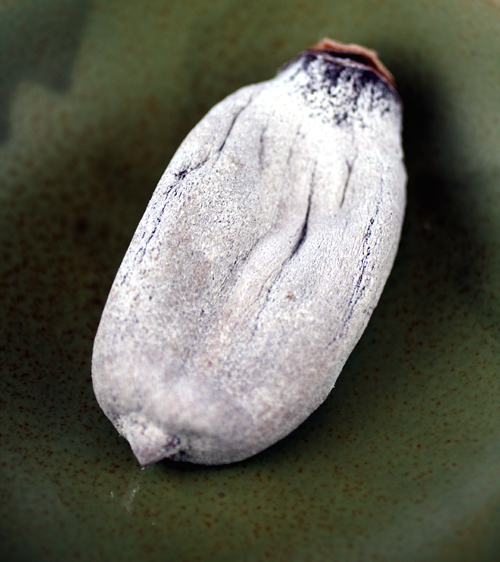
Hill employs the traditional method of making them, which requires that the persimmons be peeled by hand, then hung by string for several weeks. During that time, he gives them regular massages to help break up the flesh and to help maintain their uniform shape. The rub-downs also help smooth the exterior to retard mold. After about six weeks of this pampering, a white powdery bloom naturally appears on the fruit, signaling that they’re ready to be enjoyed.
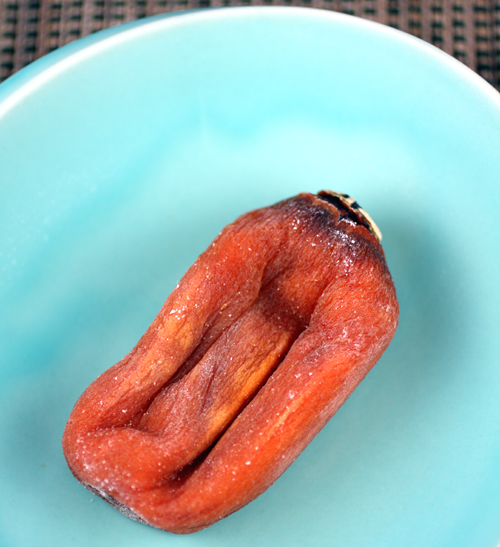
He sent me two kinds of hoshigaki, each made of the Hachiya variety of persimmon, so that I could get an idea of the transformation process.