Tuck Into Tagliatelle — With Korean-Style Ragu
You may know gochujang, the fiery red fermented Korean chili paste.
But perhaps lesser known are its compatriots: doenjang, fermented soybean paste; and ganjang, a thin, dark soy sauce.
These three fermented pastes and sauces are essential building blocks in Korean cooking, according to Mingoo Kang.
The Seoul-born Kang should know. He’s chef-owner of Mingles in Seoul, which not only holds two Michelin stars, but was named one of Asia’s “50 Best Restaurants.”
In his cookbook, “Jang” (Artisan, 2024), of which I received a review copy, he explores how these three ingredients are integral to his heritage and his cooking.
The book was written with assistance from Joshua David Stein, a New York City cookbook author and Nadia Cho, who has been a liaison for chefs and journalists to Korean food and culture.
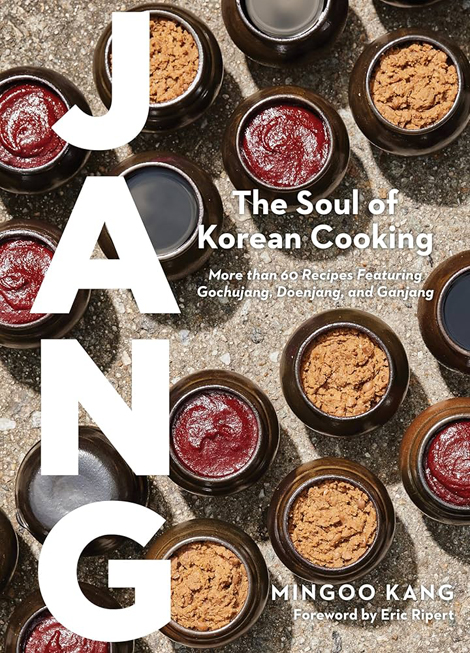
“Jang,” which rhymes with “song,” showcases more than 60 recipes, some traditional and others more unconventional. They run the gamut from “Ganjang Granola Yogurt” and ‘Ssamjang Cacio e Pepe” to “Yangnyeom Chicken (Korean Fried Chicken)” and “Doenjang Vanilla Creme Brulee.”
At this time of year, who doesn’t like to hunker down with a bowl of lusty pasta?
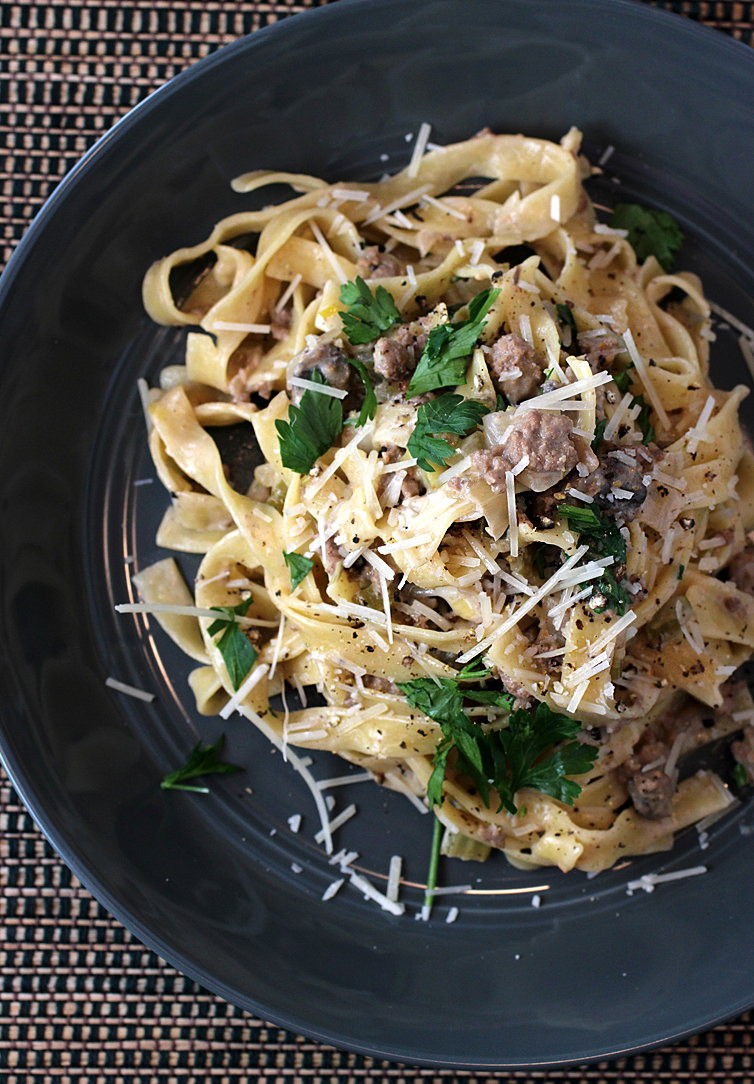
I certainly do, which is why I zeroed in on this recipe for “Tagliatelle with Ganjang Ragu.”
Think a creamy, blond, and tomato-less beefy ragu — but with a few Korean flourishes to heighten the savoriness.
Kang’s original recipe for the ragu serves 2 with 7 ounces of tagliatelle. I decided to double the ragu amount to make enough for 1 pound of tagliatelle, which is what I show in the recipes below. Because it’s a rich dish, that amount will easily serve 4 to 6.
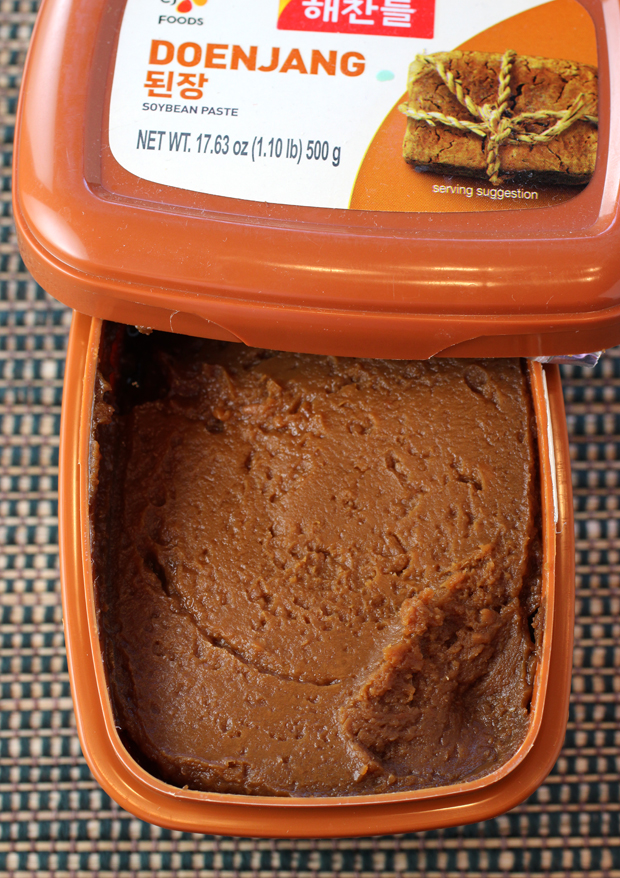
This ragu makes use of doenjang, which reminded me a little of Chinese fermented black bean sauce with its slightly salty, fermented funky depth. Find it at Korean markets or on Amazon.
Kang’s recipe for light mat-ganjang, a sweetened seasoned Korean soy sauce, makes a lot more than you need for this recipe. Since he was thoughtful enough to list the proportions, I cut it down considerably to make just slightly more than you need.
The light mat-gangjang is made with yangjo ganjang, Korean soy sauce. I admit I used low-sodium Kikkoman instead, which hopefully isn’t sacrilege.
To make the ragu, saute garlic, green onions, white onions, mushrooms, and celery. That’s 6 to 8 stalks of celery, which may seem like overkill. But it doesn’t taste that way in the final product.
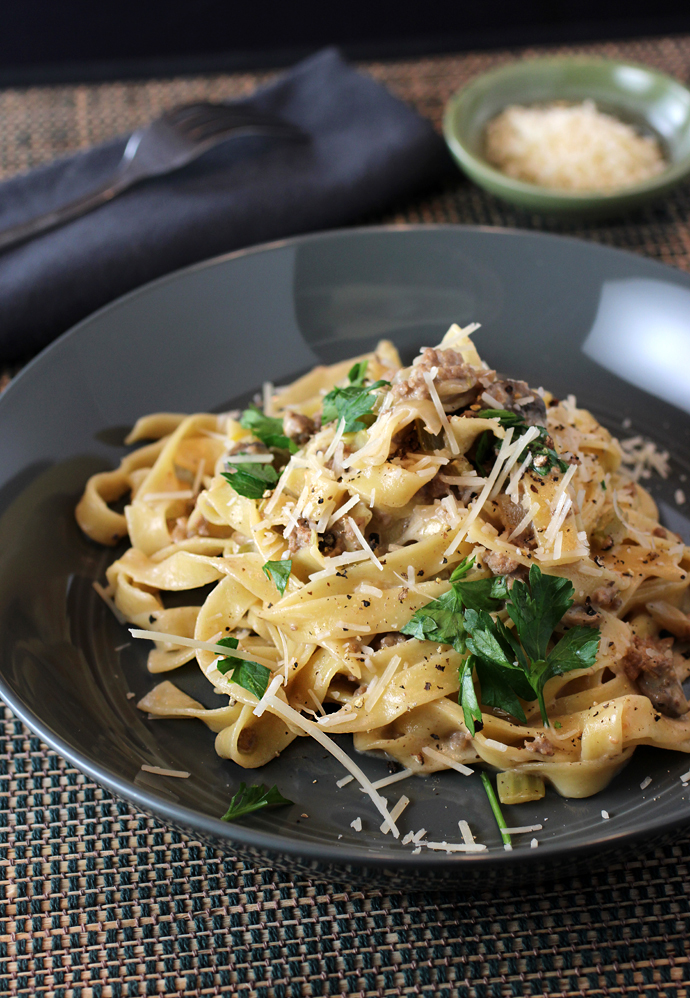
Add ground beef, and continue sauteing before adding in a mixture of mat-ganjang, doenjang, and water. Simmer to thicken, before pouring in heavy cream. The recipe calls for 1 1/2 cups of heavy cream, but feel free to use a little less — 1 cup to 1 1/4 cups — as I did. It will still add quite a lot of body and velvetiness.
Cook the tagliatelle in a pot of boiling salted water. Drain, and add to the ragu, tossing to coat well. Shower on Grana Padana, freshly ground black pepper, and chopped parsley, and serve.
The result is a rich, meaty, and luscious pasta dish that looks Italian. As far as taste, it doesn’t necessarily scream “Korean” or “Asian.” But the jang ingredients do add to the big beefy taste.
Next time, I might add even more doenjang to the ragu. And now that I have a big tub of it in my fridge, I can’t wait to experiment with it in stir-fries and marinades.
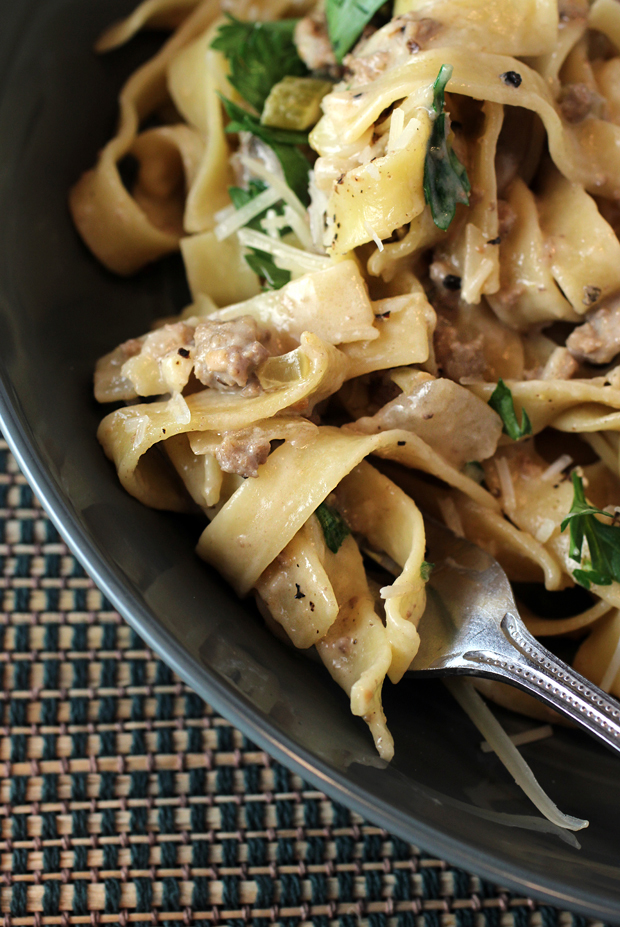
Tagliatelle with Ganjang Ragu
(Serves 4 to 6)
For the ganjang ragu:
7 tablespoons light mat-ganjang (see recipe below)
4 tablespoons yangjo doenjang or to taste
4 teaspoons canola oil
2 garlic cloves, chopped
2 green onions, white part only, chopped
2 small white onions, finely diced
6 medium button mushrooms, finely diced
6 to 8 celery stalks, finely diced
1 pound ground beef, patted dry
For the tagliatelle:
1 pound tagliatelle
Kosher salt
1 to 1 1/4 cups heavy cream
3 tablespoons grated Grana Padano cheese, plus more for serving
Pinch of freshly ground black pepper, for garnish
4 teaspoons chopped fresh parsley, for garnish
Make the ragu: In a small bowl, mix together the mat-ganjang, doenjang, and 1/2 cup water. Set aside.
In a large heavy-bottomed pot, heat the canola oil over medium heat until shimmering. Add the garlic and green onions, and cook until softened but not browned. Add the white onions, mushrooms, and celery, in that order; reduce the heat to low and saute until lightly browned, about 10 minutes. Add the mat-gangjang mixture and simmer for 15 to 20 minutes.
Make the tagliatelle: Bring a large pot of well-salted water to a boil over high heat. Add the pasta and cook according to the package directions (tagliatelle usually takes between 4 and 6 minutes to cook, depending on the brand).
Meanwhile, pour the cream into the ragu and mix well to thicken.
Drain the pasta well, then add it to the pot with the ragu and toss to coat. Add the Grana Padano and mix once more. Serve the tagliatelle with the pepper, parsley, and extra cheese sprinkled on top.
Light Mat-Ganjang
8 tablespoons yangjo ganjang or low-sodium soy sauce
2 tablespoons sugar
2 tablespoons water
Combine all ingredients in a small pot. Bring to a boil over medium heat, then remove from heat and let cool. Store in an airtight container in the refrigerator for up to 1 month.
Adapted from “Jang” by Mingoo Kang
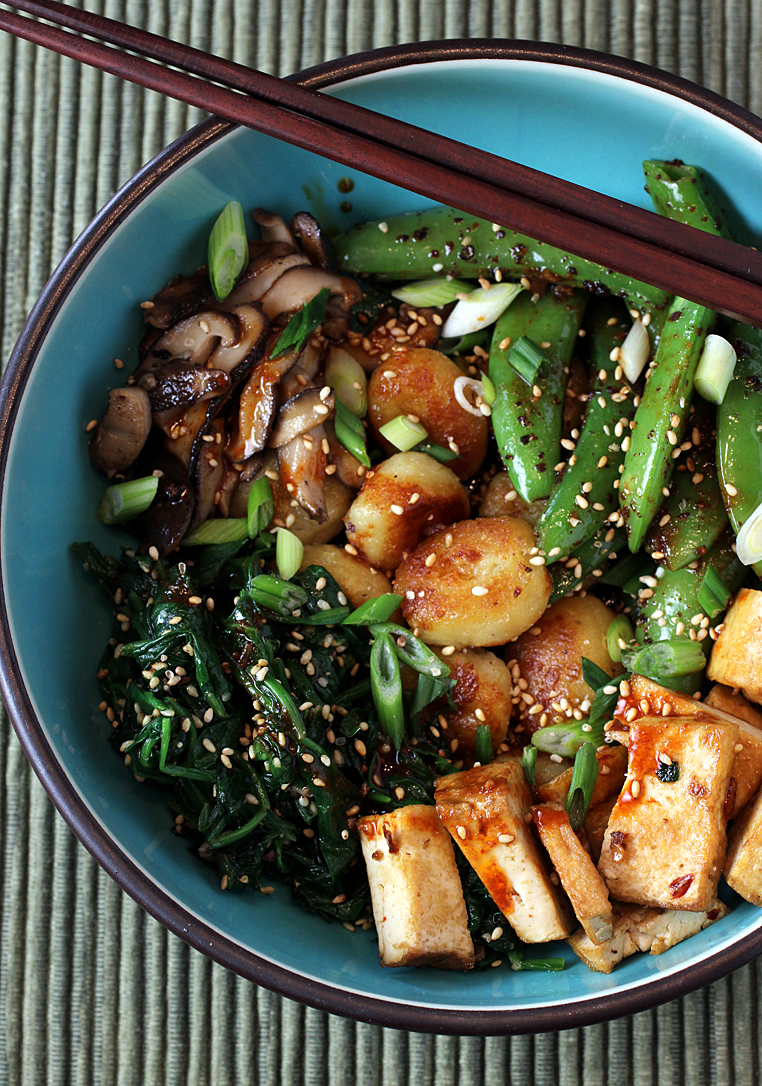
More Asian-Inspired Pasta Recipes to Enjoy: Bibimbap-Style Gnocchi with Gochujang Vinaigrette by Hetty Lui McKinnon
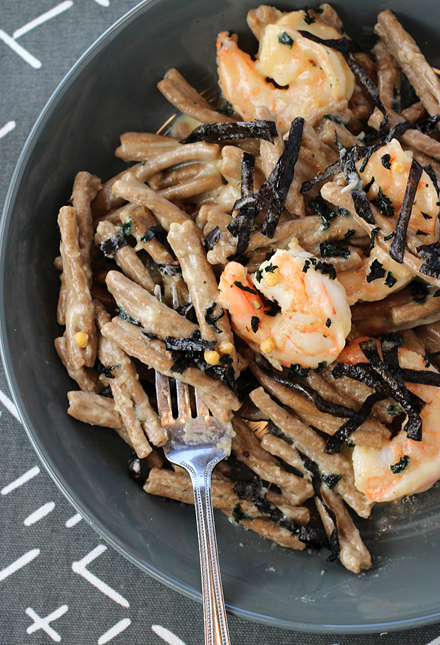
And: Creamy Miso Pasta with Shrimp
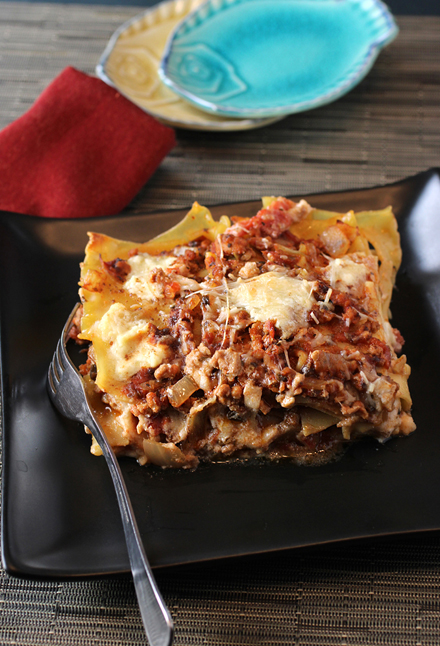
And: Dan Dan Lasagna by Jon Kung
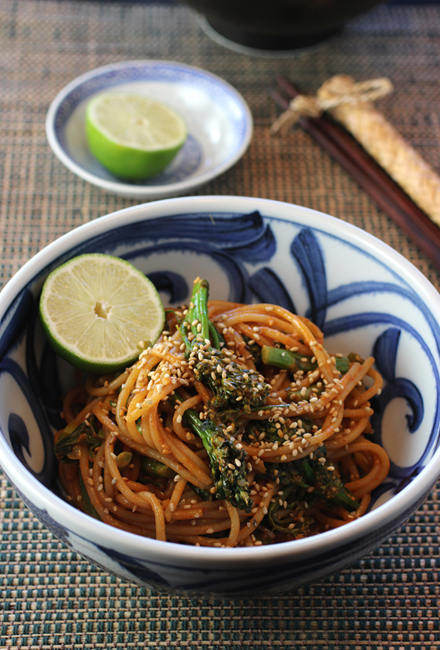
And: Gochujang Sesame Noodles with Broccolini
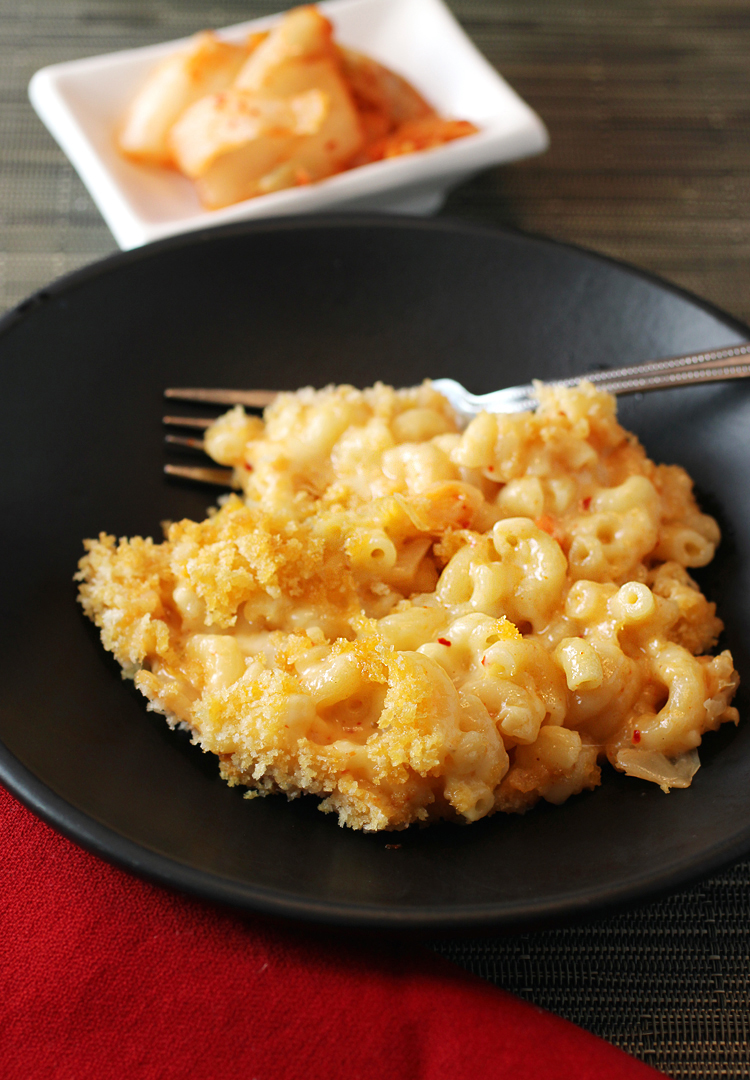
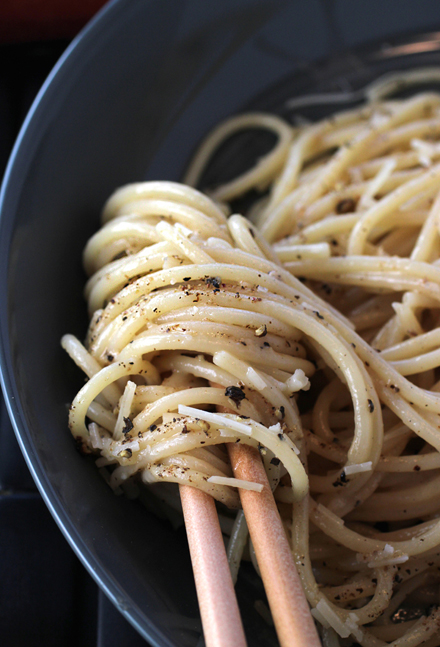
And: Sichuan Cacio e Pepe
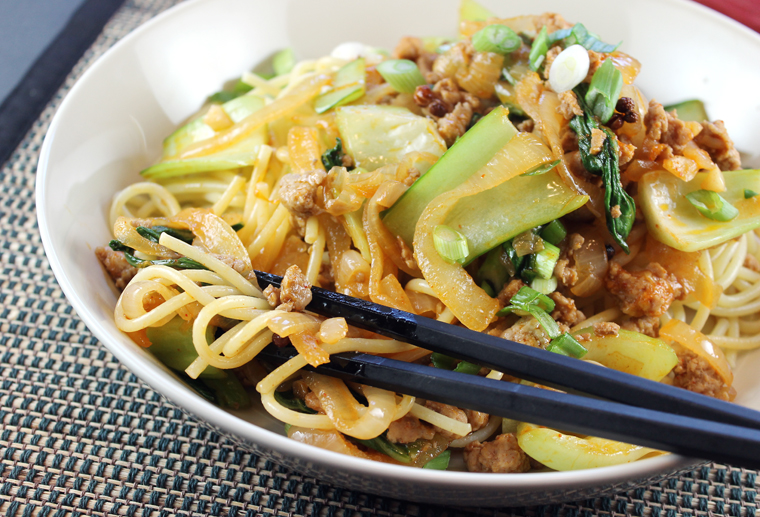
And: Sichuan Pork Ragu a la Momofuku Ssam Bar